
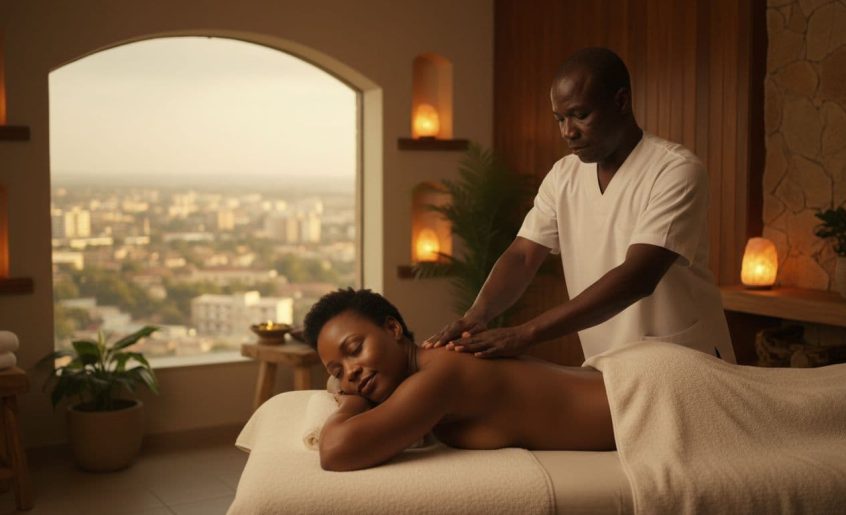
Aromatherapy Massage: Oils, Benefits, and Safety
Aromatherapy massage brings together two things your body responds to quickly, calm touch and the scent of carefully chosen oils. When the blend is right, it can ease tight muscles, soften stress, lift your mood, and help you sleep better, all while providing deep relaxation for your nervous system.
The essential oils matter because each one brings its own effect, so lavender, peppermint, chamomile, or eucalyptus can change how the session feels from the first inhale. If you are in Nairobi and want to compare massage options, you can explore the Nairobi Massage spa services before you book.
In the sections ahead, you will see how aromatherapy massage works, which benefits stand out, and how to choose the right products to fit your body and your goals.
Key Takeaways
- Aromatherapy massage combines therapeutic essential oils with specialized massage techniques to reduce stress, ease muscle tension, and improve sleep quality.
- Essential oils must always be diluted in a carrier oil to prevent skin irritation, burns, or adverse reactions.
- Communication is essential; always discuss your goals, allergies, and sensitivity levels with your therapist before beginning your session.
- The effectiveness of the treatment relies on a synergy between the chosen scent and the pressure applied, creating a more settled, calm state than touch alone.
How aromatherapy massage works, from the first breath to the last stroke
An aromatherapy massage starts before any hands touch skin. The room, the scent, and the pace all set the tone, then the massage oils and strokes carry that calm through the session. When it is done well, each part supports the next, so the experience feels steady rather than rushed. A typical aromatherapy massage session usually lasts between 60 and 90 minutes.
You can look at how to book a massage in Nairobi safely when you want a clearer sense of what to check first.
The role of essential oils in the treatment
Essential oils are strong plant extracts. They come from flowers, leaves, peels, bark, or roots, and each one has a distinct scent and feel. Lavender may seem soft and sleepy, while peppermint feels sharp and bright.
During an aromatherapy massage, the therapist mixes a small amount of essential oil with a carrier oil such as jojoba, almond, or coconut oil. That blend lets the oil glide across the skin without overwhelming it. In other words, the oils are part of the massage, but they should never overpower it.
Essential oils should never be used full strength on the skin. They are too concentrated and can cause irritation, redness, or burns.
Dilution matters because more oil does not mean better results. A safe blend of essential oils keeps the scent pleasant and lowers the risk of a reaction. It also helps the massage feel smooth, since the carrier oil does the heavy work of slip and glide, and these essential oils must always be carefully mixed to ensure a comfortable experience.
Why touch and scent can feel so powerful together
Touch and scent speak to the body in different ways, but they often work best as a pair. Massage eases tight muscles and slows the pace of the nervous system. Meanwhile, a familiar or pleasant smell can shape how relaxed you feel before the first stroke even begins.
Inhalation of the scent reaches the brain fast, which is why one breath can shift your mood. For some people, lavender feels like a cue to let go. For others, citrus or eucalyptus creates a cleaner, lighter feeling that makes the whole room seem calmer. The Cleveland Clinic explanation of aromatherapy gives a simple overview of how essential oils are used for comfort and well-being.
That mix of scent and touch can feel comforting because both signals arrive at once. Your body notices the slow pressure of the massage, and your mind notices the scent tied to rest. The result is often a softer, more settled state than touch alone can create.
What a typical aromatherapy session feels like
A good session usually begins with a quiet pause. The therapist may invite you to notice the blend first, so you can tell whether the scent feels right for you. That first breath matters, because it helps your body settle before the massage starts.
From there, the room does its work too. Soft lighting, warm towels, and a calm pace help the senses relax. The strokes often begin gently, then move into longer, smoother pressure that spreads the oil and eases tension across larger areas like the back, shoulders, and legs.
A simple flow often looks like this:
- The scent is introduced first: You inhale the oil blend before any deep touch begins.
- The massage starts lightly: The massage therapist warms the muscles and checks your comfort.
- Pressure builds slowly: Smooth strokes and kneading help the body loosen.
- The session winds down: The pace softens, and the body gets time to settle.
By the last stroke, most people feel warmer, quieter, and less tightly held. The scent may linger for a while, which can extend that rested feeling after you leave the table.
The real benefits of aromatherapy massage for body and mind
Aromatherapy massage works best when the oils and the touch support each other. The scent can steady your mood, while the massage helps your body let go of what it has been carrying all day. This form of aromatherapy massage creates a synergy that often feels small at first, then it settles in like warm water on tired skin. You can check our massage services to see the range of treatments available.
### Stress reduction and a calmer nervous system
Stress builds up in the body long before you notice it. Your shoulders rise, your jaw tightens, and your breathing gets shallow. These sessions can interrupt that pattern by pairing slow, steady touch with scents that feel soothing, like lavender or chamomile.
The massage pace matters just as much as the oil. Long strokes and gentle pressure give your nervous system a reason to slow down, while the scent gives your mind a clear cue to rest. In that quiet space, the day feels less crowded.
A good scent won’t fix a stressful life, but it can make your body feel safer in the moment.
Muscle tension, pain relief, and everyday aches
Aromatherapy massage can also help when your body feels knotted up. The hands of the therapist loosen muscle tension in tight areas, warm stiff muscles, and improve how your body settles under pressure. By promoting blood circulation through rhythmic kneading and specialized oils, the treatment offers effective pain relief for those struggling with the physical toll of long hours at a desk, hard workouts, or a week that left your neck and back feeling heavy.
Some oils are chosen for their cooling or soothing feel. Peppermint often feels fresh and sharp, while eucalyptus can feel clean and open. Those sensations do not replace the massage, but they can make the whole session feel more refreshing on sore spots.
Sleep, improved mood, and mental clarity
Many people leave a session feeling more ready for sleep. When the body relaxes, it becomes easier to switch off the mental noise that keeps you awake at night. Research also suggests aromatherapy may support sleep quality and ease anxiety, including findings summarized by the NIH on aromatherapy and pain.
The improved mood can be just as useful. After a session, people often feel lighter emotionally and less tangled in their thoughts. That calm can make it easier to think clearly, focus on simple tasks, and move through the rest of the day with a steadier head.
How to choose the best essential oils for your massage
The best essential oil for a massage depends on how you want the session to feel. Some oils settle the mind, some feel cool and clean on tired muscles, and some work best when the body needs comfort more than anything else. A good blend should match your goal, your skin, and the mood of the treatment.
If you want to compare treatment options before booking, the Nairobi Massage Spa Google Business page is a useful place to check details first. It helps to look at the therapist’s style, the setting, and the kinds of services offered before you choose an oil blend.
### Relaxing oils for stress relief and sleep
When the goal is calm, start with soft, familiar scents. Lavender is the classic choice because it feels gentle and steady, while chamomile has a warm, soothing edge that suits evening treatments. Bergamot can also help the room feel lighter, especially if stress has left you tense and restless.
These oils work well for a winding-down massage after a long day. They fit best when you want the session to feel like a slow dimming of the lights, not a bright burst of energy. A calm blend using lavender and chamomile supports deep breathing, eases mental noise, and makes it easier to slip into rest afterward.
For a quiet evening massage, keep the scent soft and simple. A therapist can pair one calming oil with a neutral base so the aroma stays present without becoming heavy.
Fresh, cooling oils for sore muscles and tired days
Some days call for a cleaner, sharper scent. Peppermint feels cool and brisk, while eucalyptus brings a crisp, open note that many people like when their body feels weighed down. Rosemary can also work well for a tired, overworked feeling because it has a bright, herb-like scent that wakes up the senses.
These oils are often used after long hours of sitting, physical strain, or a workout that left the body stiff. The cooling effect does not replace massage pressure, but it can make sore areas feel more refreshed. That makes them a strong match for daytime treatments or sessions meant to leave you feeling lighter.
Strong oils need a light touch. A little goes a long way, especially with minty or sharp scents.
If you want a blend that feels energizing without being harsh, ask for a small amount of one fresh oil mixed into a neutral base. That keeps the aroma clean and keeps the experience comfortable.
Carrier oils, dilution, and skin safety
Essential oils should never go straight onto the skin. Because topical application involves direct contact with the body, these concentrated extracts must be diluted. You should always use a carrier oil such as jojoba, sweet almond, grapeseed, or coconut oil. The carrier oil spreads the scent, helps the hands glide, and lowers the risk of irritation.
A simple rule works well for most adults: use only a few drops of essential oils mixed into about one ounce of carrier oil. If the scent feels too strong, it probably is. The goal is a balanced blend, not a heavy perfume on the skin.
A patch test is smart before trying a new oil to ensure you do not have an allergic reaction. Apply a small amount of the diluted blend to the inner arm, then wait 24 hours. If redness, itching, or stinging shows up, skip that oil.
Take extra care if you have:
- Sensitive skin or a history of rashes
- Allergies to plants, nuts, or scents
- Asthma or breathing issues
- Pregnancy or a medical condition that changes what oils are safe
Some oils also make skin more sensitive to sunlight, especially citrus oils. If you plan to go outside soon after treatment, choose a safer option. For general safety tips on topical use, this essential oil safety guide is a helpful reference.
The best aromatherapy massage feels easy on the body and clear in the scent. Pick oils for the result you want, keep the blend diluted, and choose the option that matches your skin as closely as it matches your mood.
What to expect from a safe and comfortable aromatherapy massage
A safe aromatherapy massage feels calm from the first minute. The oils should smell pleasant, the pressure should suit your body, and the session should leave you relaxed, not irritated or overwhelmed. A good practitioner checks your comfort, explains the blend, and adjusts the treatment as needed.
If you are comparing local options before you book, you can review safe massage booking tips in Kilimani if you want a clearer sense of what to ask before you arrive.
Questions to ask before you book
A few simple questions can tell you a lot about the session. Ask your massage therapist which oils are used, whether the blend is designed for relief, and how strong the scent will be. If you have sensitive skin, allergies, or asthma, mention that before you confirm.
It also helps to ask about the massage style and session length. Some sessions are light and calming, while others use firmer pressure to work on tight shoulders or sore legs.
Before you book, ask:
- Which essential oils are used in the blend?
- Is the oil diluted with a carrier oil?
- Can I choose a softer or stronger scent?
- What massage style do you use?
- How long is the session?
- Can you adjust pressure during the massage?
- Are there any oils I should avoid because of allergies or skin sensitivity?
A good booking call should leave you informed, not guessing.
Clear answers help you book with confidence. They also make it easier to relax once you are on the table, because there are no surprises waiting for you.
How to speak up during the session
Good communication keeps the massage comfortable. If the pressure feels too strong or too light, speak up right away. A short, polite comment is enough, and most professionals would rather adjust early than let you stay tense.
The same applies to scent and temperature. If the oil smell feels too sharp, ask for less. If the room feels cold or warm, say so before your muscles tighten up.
Use these simple phrases to communicate your comfort needs:
- To adjust intensity: “Could you use a little less pressure, please?”
- To manage scent: “The scent is a bit strong; could we soften it?”
- To control environment: “Could you warm the room up a little?”
- To address pain: “That area feels sensitive, please go lighter there.”
You do not need to keep quiet to seem relaxed. A comfortable session is a conversation, and your body gives the clearest feedback. When you speak up early, the massage stays smooth instead of turning into a test of endurance.
Easy aftercare that helps the benefits last
What you do after the massage therapy matters too. Drink water, rest a little, and give your body time to settle. That helps you hold onto the deep relaxation feeling instead of rushing straight back into stress.
Gentle movement can help as well. A slow walk, a light stretch, or just standing up and moving your shoulders can keep you from feeling stiff later. If your skin feels oily or a little sensitive, wait before using harsh soaps, strong scrubs, or scented lotions.
Aftercare is simple when you keep it light:
- Hydrate well so your body feels supported after the session.
- Rest for a while if you can, especially after a longer massage.
- Move gently to keep your muscles from tightening again.
- Skip harsh products right away if your skin feels tender.
- Avoid strong sun exposure if citrus oils were used on your skin.
A warm shower can feel nice if you want to rinse off the oil later. Still, a little lingering scent can be part of the benefit, like a soft reminder to keep your pace slow for the rest of the day.
Where Nairobi Massage fits into the aromatherapy experience
Aromatherapy massage feels best when the setting matches the scent. The right spa gives the oils room to do their work, the pressure room to feel right, and the quiet needed for your body to settle. That is where Nairobi Massage fits in, helping you compare styles, settings, and booking details before you choose a session.
If you want a quick way to check options, the Nairobi Massage Spa Google Business page is a practical place to start. It helps you compare the feel of the space before you book, which matters more than many people expect.
Massage options offered in a Nairobi spa setting
Aromatherapy massage is usually part of a wider menu of massage therapy, and that gives you a useful point of comparison. Some days call for a soft touch, while others need firmer work or a more active session. Relaxing massage sits closer to aromatherapy because it leans into calm, long strokes and a slower pace.
That choice matters because each style changes how the oils feel on the skin. If you want the therapeutic properties of the oils to stay in the foreground, a softer massage style usually fits best.
A quick comparison can make the decision easier:
- Swedish massage feels light, flowing, and easy to unwind into.
- Deep tissue massage uses more pressure to address stubborn knots and tension.
- Thai massage adds stretching and more movement through the body.
- Relaxing massage keeps the pace slow and soothing, which pairs well with aromatic oils.
For a broader look at common massage types, Healthline’s overview of massage styles gives a clear breakdown of how they differ. In short, aromatherapy works like the perfume in a room, while the massage style shapes the furniture around it.
Why location, hours, and comfort matter
The best scent blend can still fall flat if the spa feels rushed or noisy. Location matters because a calm neighborhood, easy access, and a short trip home all help the relaxation last longer. If you arrive tense from traffic or leave stressed about the route back, the session has to work harder.
Hours matter too. A spa with flexible opening times gives you a better chance of booking when your mind is ready to slow down. Evening sessions work well for people who want to sleep afterward, while a midday visit can break up a busy day without feeling rushed.
Comfort goes beyond the massage table. It includes the temperature, lighting, music, and how quickly the room helps foster deep relaxation. A spa should feel like a soft exhale, not a waiting room with scented oil.
That is why local details deserve attention before you book. Check the neighborhood, the hours, and the setting first, then choose the massage style that matches your goal. When those pieces line up, your session feels less like a service and more like a pause your body actually welcomes.
Frequently Asked Questions
Can I have an aromatherapy massage if I have sensitive skin?
Yes, but you should prioritize safety by discussing your history with your therapist beforehand. Always request a patch test to see how your skin reacts to the specific blend, and ensure that the essential oils are properly diluted in a gentle carrier oil like jojoba or almond.
How long should I wait after a massage before showering?
It is generally best to wait at least a few hours, or even until the next day, before washing the oils off. This allows your skin to fully absorb the carrier oils and keeps the therapeutic scent with you, extending the relaxation benefits of your session.
Will the scent stay on my skin all day?
While the initial strength of the aroma will fade shortly after your session, a soft, pleasant scent often lingers on the skin for several hours. This can act as a gentle reminder to maintain a slower, more mindful pace throughout the rest of your day.
How often should I get an aromatherapy massage?
Frequency depends on your personal goals and physical needs, but many people find that a monthly session is enough to maintain a sense of balance. If you are using massage to manage specific issues like chronic tension or high stress, you might prefer more regular, shorter sessions to help keep your nervous system in a calmer state.
Conclusion
Aromatherapy massage works best when the scent, pressure, and setting all support the same goal of steady relief. The right oil blend can calm stress, ease tight muscles, and leave the body feeling lighter, as long as the treatment stays gentle and safe.
The best sessions feel personal. Because essential oils like lavender, chamomile, peppermint, or eucalyptus each shape the mood in a different way, comfort and skin safety should guide your choice every time.
If you are ready to explore the healing power of these treatments, visit Nairobi Massage to choose a session that fits your body, your pace, and your needs.