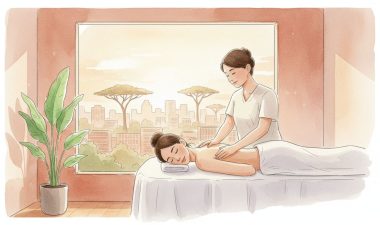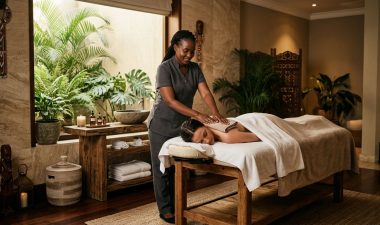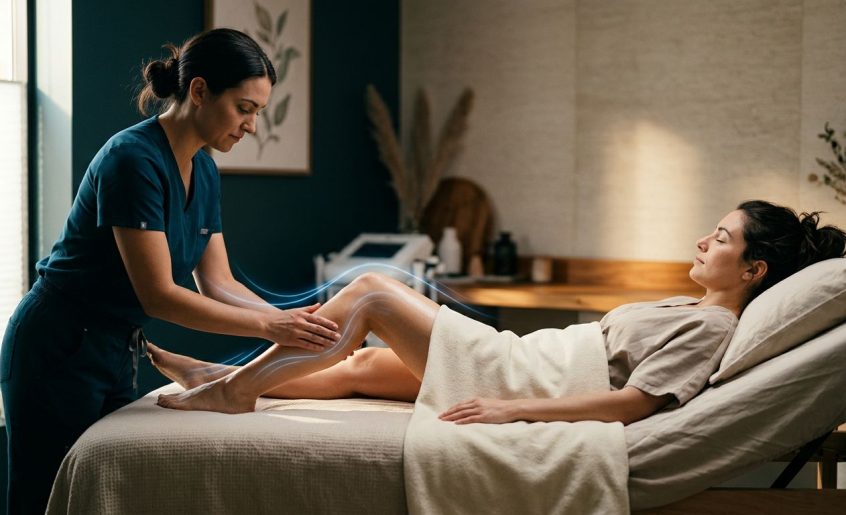
Swelling, tight skin, or a heavy feeling in your limbs can make ordinary movement uncomfortable. Lymphatic drainage massage uses gentle, rhythmic strokes to encourage excess fluid toward working lymph vessels and lymph nodes.
Unlike deep bodywork, this treatment should never feel forceful. It may help people with lymphedema or treatment-related swelling, but healthy people should be cautious about claims involving detox, rapid weight loss, or permanent body shaping. The right technique, provider, and health screening matter more than the spa name.
Key Takeaways
- Lymphatic drainage massage is a light-pressure treatment used mainly to reduce swelling.
- Manual lymphatic drainage is different from Swedish Massage, Thai Massage, and Deep Tissue Massage.
- People with infection, blood clots, heart problems, or kidney disease need medical advice first.
- A qualified Massage Therapist should explain the method and ask about your medical history.
- Nairobi clients should confirm privacy, consent, hygiene, location, pricing, and professional experience before booking.
What Is Lymphatic Drainage Massage?
The lymphatic system helps move fluid through the body. When that system becomes blocked or impaired, fluid can collect in the tissues and cause swelling. Manual lymphatic drainage, often shortened to MLD, uses slow skin-stretching movements to guide fluid toward areas where lymph vessels can process it.
The pressure is much lighter than a typical Body Massage. A therapist usually works with flat hands or fingertips, moving the skin gently rather than kneading the muscles. Treatment often begins near the neck and collarbone, then continues toward areas such as the underarm, abdomen, groin, or limbs.
The Cleveland Clinic’s explanation of lymphatic drainage massage describes it as a gentle technique for swelling caused by blocked or damaged lymph flow. It is commonly considered for lymphedema, including swelling that develops after certain medical procedures or treatments.
A session may focus on one swollen area rather than the whole body. The therapist might treat an arm, leg, face, or section of the torso, depending on your needs. You shouldn’t expect painful pressure, loud cracking, or intense muscle manipulation.
What Benefits Can You Expect?
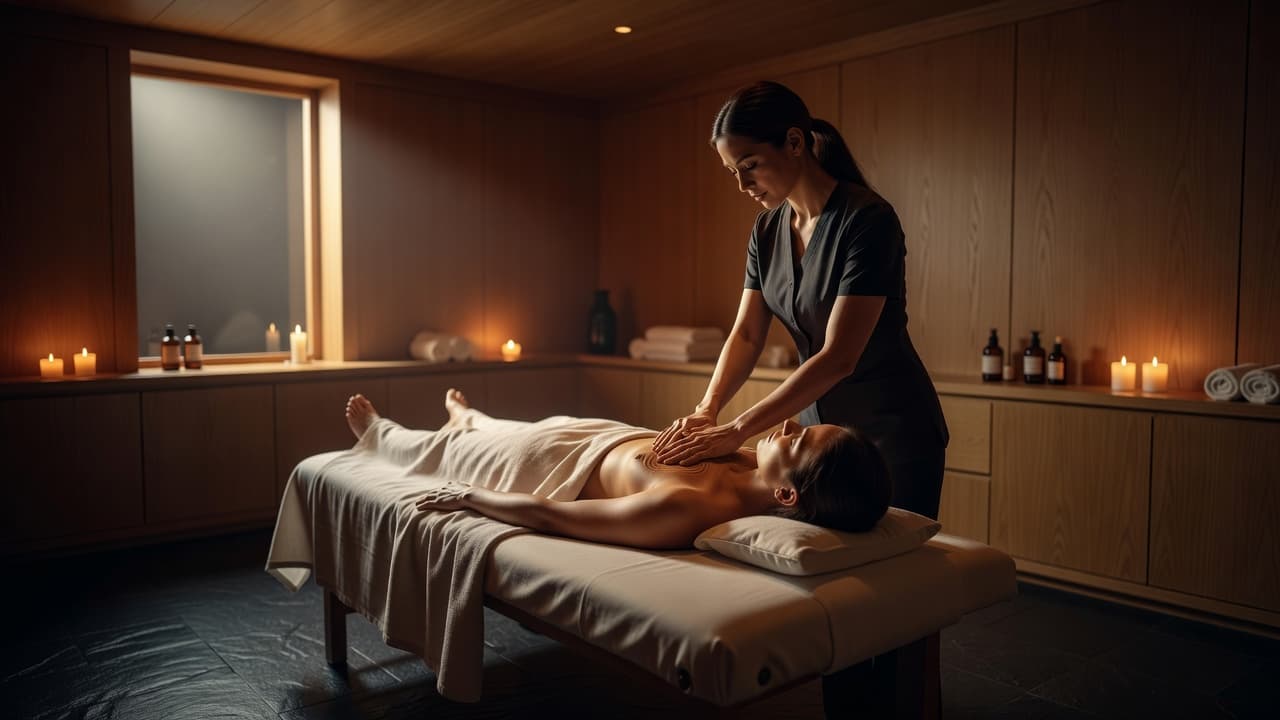
The clearest potential benefit is reduced swelling. Moving excess fluid away from congested tissue may reduce tightness and improve comfort. Some people also report easier movement when swelling limits the range of a joint or makes clothing feel restrictive.
A 2009 systematic review of manual lymphatic drainage found evidence of benefit in some settings, although results varied across conditions and treatment approaches. That means MLD can be useful, but it shouldn’t be presented as a guaranteed cure.
The treatment may also feel calming because the strokes are slow and light. However, relaxation is different from a medical result. UCLA Health says there is no substantial evidence that lymphatic massage provides major detox, immune-boosting, cellulite, or weight-loss benefits for healthy people. The UCLA Health discussion of fact and fiction is helpful when evaluating bold spa claims.
You may notice a temporary change in puffiness after a session. That change doesn’t mean fat has been removed. Results can also depend on the cause of the swelling, your general health, compression treatment, movement, and the plan recommended by a clinician.
A lighter touch is a defining feature of MLD. If the treatment feels like painful muscle work, the technique may not match its purpose.
What Happens During a Session?
A professional usually starts with a consultation. You’ll discuss swelling, recent surgery, illness, medications, skin conditions, and any diagnosis involving your heart, kidneys, blood vessels, or lymphatic system. This conversation helps determine whether massage is suitable or whether medical clearance is needed.
During the session, you may lie comfortably while the therapist exposes only the area being treated. Modesty and clear consent should remain part of the appointment. The therapist may first stimulate central drainage areas before working farther out on an arm or leg.
Movements are usually slow, repetitive, and directed toward the body’s central drainage pathways. The therapist may work around the neck, collarbone, underarm, abdomen, groin, knee, ankle, or foot. A swollen leg, for example, may receive attention at the upper thigh before the therapist moves toward the knee and lower leg.
Many sessions last between 30 and 90 minutes, depending on the provider and treatment area. Ask about the duration before booking. You should also ask what happens after the session, including whether the provider recommends hydration, gentle movement, compression, or follow-up care.
Self-massage can be taught in some cases, but online instructions aren’t suitable for everyone. A Massage video may show the basic hand direction while missing important details about pressure, anatomy, or medical risk. Don’t copy a routine for a newly swollen area without professional advice.
Who Should Avoid It or Ask a Doctor First?
Lymphatic massage isn’t appropriate for every type of swelling. Sudden swelling, redness, heat, severe pain, shortness of breath, or a new unexplained lump needs medical assessment rather than a spa appointment.
Ask a doctor before treatment if you have an active infection, suspected blood clot, uncontrolled heart failure, serious kidney disease, or a condition that affects circulation. People recovering from surgery should follow their surgeon’s instructions. This is especially important after cosmetic procedures, cancer treatment, or operations involving lymph nodes.
A therapist should never pressure you to continue if you feel unwell. Stop the session if you develop dizziness, chest discomfort, unusual pain, breathing trouble, or worsening symptoms. Mild relaxation is expected, but discomfort deserves attention.
People with diagnosed lymphedema may benefit from a wider care plan. That plan can include exercise, skin care, compression garments, medical review, and education from a qualified lymphedema professional. Massage alone may not control long-term swelling.
Before booking, ask these practical questions:
- What training do you have in manual lymphatic drainage?
- Have you worked with my condition or type of swelling?
- Do you require medical clearance?
- What pressure and technique will you use?
- What are the total session cost and cancellation terms?
A reputable provider should answer clearly. Avoid anyone who promises instant fat loss, a complete detox, or a guaranteed medical result.
Finding a Suitable Provider in Nairobi
Search results can help you compare locations, but they don’t prove a provider’s qualifications. People may search for “Massage Near me”, “Massage Spa Near me”, “Massage Places Near Me”, “Massage Therapy Near me”, “Massage Near Me Current Location”, or “Massage Near Me Open Now”. In Nairobi, related searches include “massage Nairobi”, “Nairobi Massage Near me”, “Nairobi Massage Center”, “Nairobi Massage parlour”, “Massage Parlour Near Me”, and “Massage Spa nairobi”.
Other searches may include “Nairobi Massage ladies”, “Nairobi Massage ads”, or “Nairobi Massage spa telegram”. These terms can locate listings, yet you still need to confirm whether the service is professional, consensual, discreet, and appropriate for a health-related treatment.
For local options, you can explore Nairobi massage therapies and compare the treatment description before contacting a provider. Nairobi Massage Spa in Kilimani is one local option people may consider when checking location and appointment details. Ask directly whether the therapist offers manual lymphatic drainage, rather than assuming every spa’s Body Massage menu includes it.
You can also review massage therapy in Nairobi while comparing providers. Look for a clear business identity, recent reviews, a real location, transparent prices, and a direct booking process. A professional Nairobi Massage Therapist should be willing to discuss pressure, boundaries, health concerns, and session goals before taking payment.
Don’t send medical records or intimate images to strangers. Meet in a legitimate treatment setting, tell someone where you’re going, and leave if the service differs from what you agreed. Privacy and consent are basic requirements, not optional extras.
How It Differs From Other Massage Options
Lymphatic Massage is easy to confuse with other treatments. Swedish Massage uses flowing strokes for relaxation and general muscle comfort. Deep Tissue Massage applies firmer pressure to deeper muscle layers, so it isn’t a substitute for MLD.
Thai Massage often includes assisted stretching and pressure along the body. Asian Massage can describe many different traditions, so ask the provider to explain the exact technique. A Full Body Massage may be relaxing, but it isn’t automatically a lymphatic treatment.
A Massage Gun, Massage Chair, and Foot Massager apply mechanical pressure or vibration. They don’t replace a trained person assessing swelling and choosing safe hand movements. The same applies to products found through Massage Warehouse. Equipment may support comfort, but it can’t diagnose the cause of edema.
If you know brands such as Massage Envy, Massage Heights, Elements Massage, or Hand and Stone Massage, use their treatment descriptions as a starting point rather than assuming every branch offers clinical MLD. A Foot Massage can ease tired feet, but new foot swelling still needs proper evaluation. Searchers looking for “Foot Massage Near me” should mention the swelling before booking.
Conclusion
Lymphatic drainage massage is a gentle technique with its strongest use in managing certain types of swelling, especially lymphedema. It isn’t a painful deep massage, a quick weight-loss method, or a guaranteed detox treatment.
Choose a trained provider, explain your health history, and seek medical advice for sudden or unexplained swelling. Whether you’re comparing a Nairobi Massage Center, a spa in Kilimani, or another local provider, safe screening and clear consent should come before the appointment.