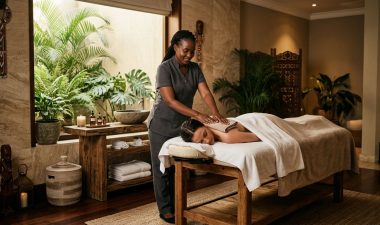
Choosing among the many types of massage can be difficult when every spa menu uses different names. One treatment may focus on relaxation, while another targets tight muscles, flexibility, circulation, or recovery after exercise.
The right choice depends on your goal, preferred pressure, health history, and comfort with the setting. Here are 20 popular options, followed by practical advice for booking a safe massage in Nairobi.
How to Choose Among the Types of Massage
Start with the result you want. Swedish massage usually suits people who want calm, gentle-to-medium pressure. Deep tissue massage may suit persistent muscle tightness, while Thai massage focuses more on assisted stretching and body movement.
Pressure also matters. A strong massage shouldn’t leave you holding your breath or bracing against the table. Tell your massage therapist what feels comfortable, and speak up if the pressure becomes painful. Good communication improves the session and helps prevent avoidable soreness.
Your health history matters too. Mention recent surgery, injuries, pregnancy, skin conditions, blood-clotting concerns, osteoporosis, or prescription medication before the treatment begins. People with lymphedema or other medical conditions should ask a qualified healthcare professional whether massage is suitable.
The NCCIH information on massage therapy explains that research findings vary by condition. Some benefits may be short term, so massage shouldn’t replace medical care for serious or ongoing symptoms.
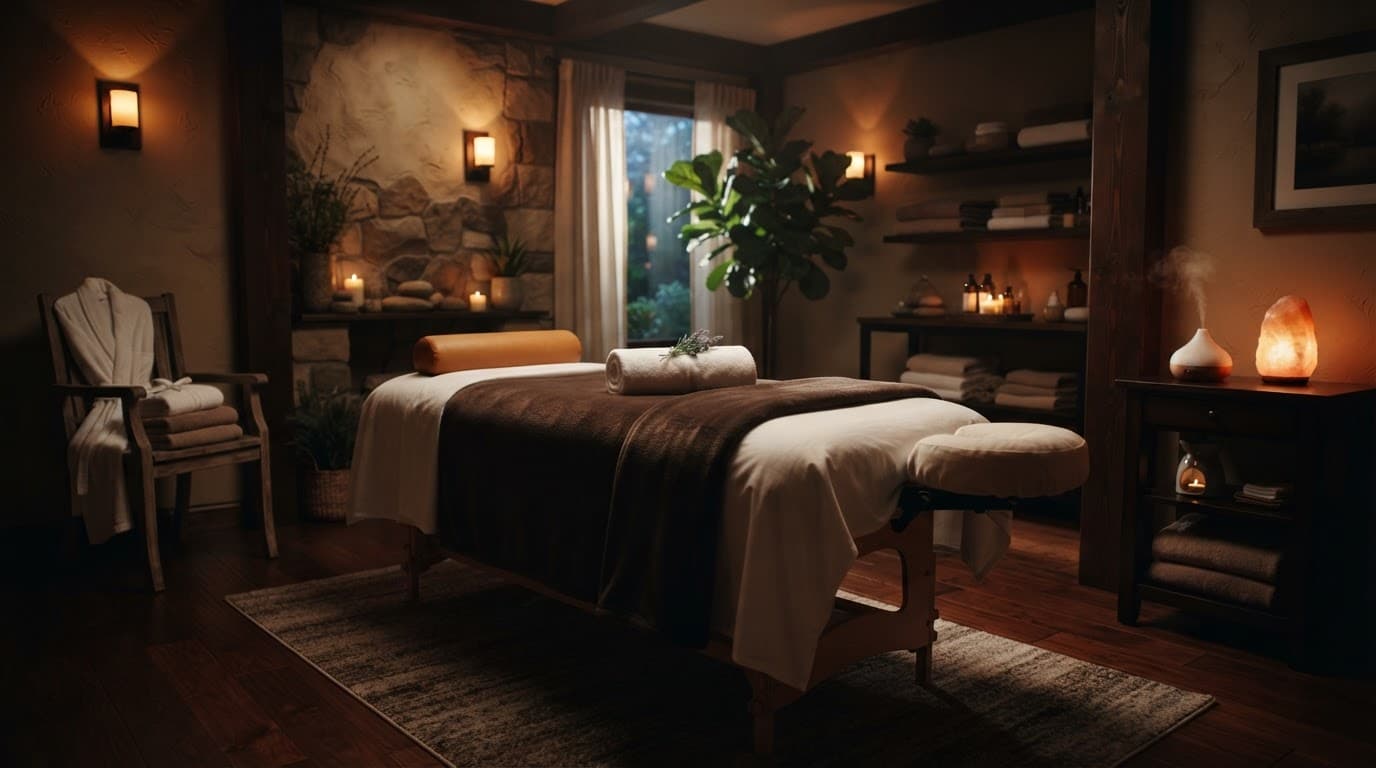
Before booking, check the provider’s location, treatment menu, session length, price, privacy policy, and cancellation terms. You can also read the Nairobi massage guide for local booking and safety considerations.
20 Types of Massage to Know
Massage styles often overlap. A therapist may combine Swedish strokes with aromatherapy, use sports techniques during a full body session, or add foot work to a Thai treatment. Still, each style has a different focus.
Relaxing and Targeted Massage Styles
1. Swedish massage uses long gliding strokes, kneading, gentle friction, and light tapping. The pressure can range from light to moderate. It is a common choice for first-time clients, general relaxation, and people who want a calm full-body treatment without intense pressure.
2. Deep tissue massage uses slower strokes and focused pressure on areas of persistent tension. The therapist may work through the back, shoulders, hips, or legs. Deep pressure shouldn’t feel sharp or unbearable. A good session balances firm contact with your comfort and breathing.
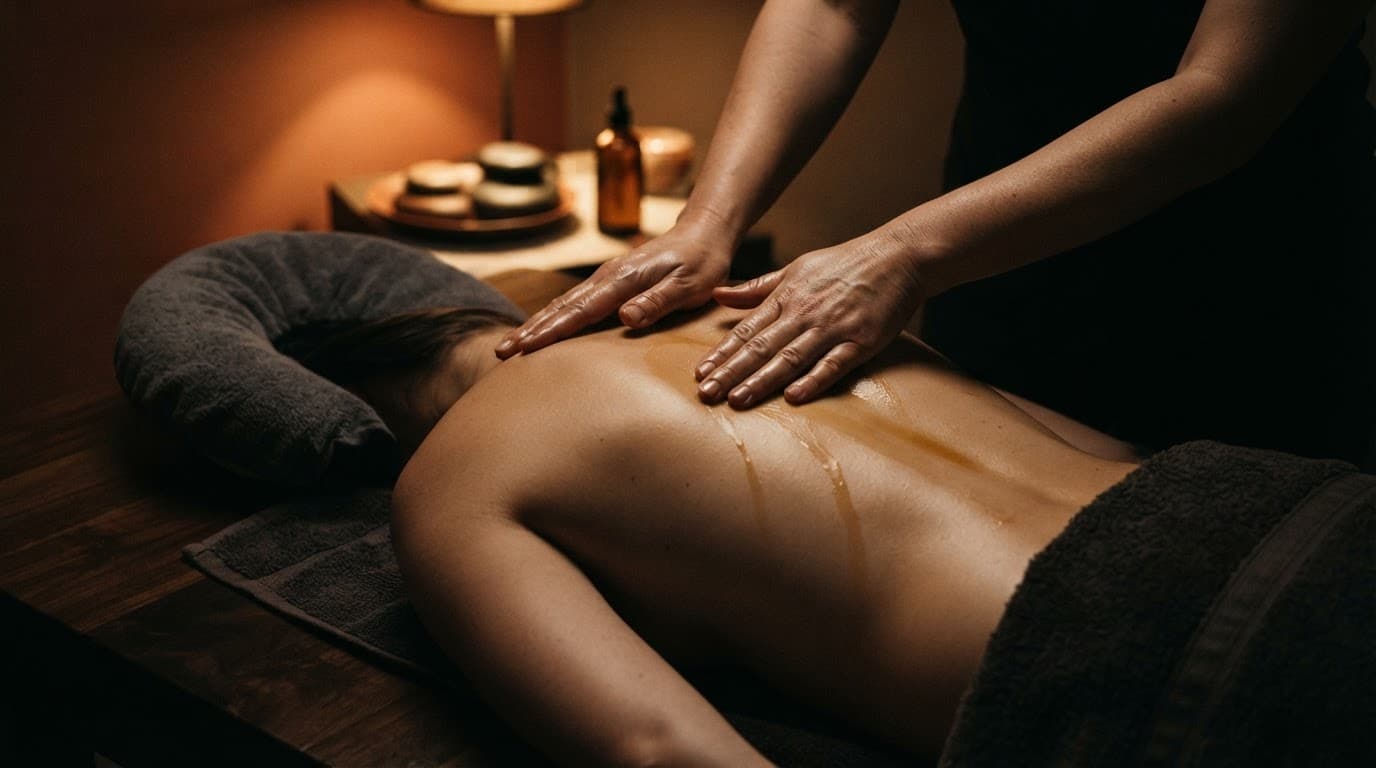
3. Sports massage is designed around physical activity. It may include compression, stretching, and focused work before or after training. Runners, gym users, dancers, and team-sport athletes often choose it for tired muscles and movement preparation.
4. Trigger point massage focuses on small, tender areas that may contribute to referred discomfort. The therapist applies controlled pressure for a short period, then releases it. This style is more focused than a general relaxation massage and may feel intense in selected areas.
5. Myofascial release uses slow, sustained pressure and gentle stretching around the fascia, the connective tissue surrounding muscles. Sessions usually involve careful work across restricted areas rather than rapid movements. It can be useful for people who prefer a slow, measured treatment.
Research doesn’t support identical claims for every style. A massage therapy research review from the National Institutes of Health discusses findings across several conditions, but results depend on the problem, treatment method, and individual.
Traditional, Stretching, and Oil-Based Treatments
6. Thai massage is usually performed with the client clothed on a floor mat or firm surface. The therapist uses compression, assisted stretches, and rhythmic movement. It can suit people who want a more active session and greater mobility work than an oil massage provides.
7. Shiatsu is a Japanese bodywork style that uses finger, thumb, palm, and sometimes elbow pressure. Practitioners work along specific lines of the body based on traditional concepts. The client usually remains clothed, and the treatment often feels steady rather than flowing.
8. Aromatherapy massage combines massage strokes with diluted essential oils. Lavender, eucalyptus, peppermint, and citrus oils are common choices, although availability varies. Ask which carrier oil is used and mention allergies, asthma, migraines, or skin sensitivity before the appointment.
9. Hot stone massage places smooth heated stones on selected areas while the therapist also uses hands-on strokes. The warmth can make a gentle massage feel more penetrating. Tell the therapist immediately if a stone feels too hot or uncomfortable.
10. Prenatal massage is adapted for pregnancy. The therapist may use side-lying positions, extra cushions, and lighter pressure around sensitive areas. Choose someone trained in prenatal care, and follow your healthcare provider’s advice if your pregnancy includes complications.
The phrase Asian massage covers many different traditions, including Thai, Shiatsu, Balinese, and other regional practices. It isn’t a single standardized technique, so ask the provider what the session actually includes before booking.
Gentle and Specialist Massage Options
11. Lymphatic drainage massage uses very light, rhythmic strokes directed toward lymph pathways. It is different from firm muscle work. People seeking treatment for swelling or lymphedema should choose a trained practitioner and obtain medical guidance instead of booking a standard relaxation session.
12. Reflexology applies pressure to points on the feet, hands, or ears. Many clients choose it for relaxation and foot comfort. Claims that specific foot points can treat distant organs aren’t established in the same way as the relaxation benefits of hands-on care.
13. Chair massage takes place with the client fully clothed in a specially designed chair. Sessions often focus on the neck, shoulders, upper back, arms, and hands. It works well at workplaces, events, airports, or during a short break when a full table session isn’t practical.
14. Scalp massage focuses on the scalp, temples, face, neck, and upper shoulders. Some salons include it in hair treatments, while massage therapists may offer it as a short standalone service. It is a simple option for people who carry tension around the head and neck.
15. Couples massage is a shared booking in which two people receive treatments in the same room or nearby rooms. Each person can often choose a different pressure level or style. Discuss privacy, music, timing, and treatment preferences with the spa before arrival.
A massage therapy session can support relaxation and short-term comfort, but it can’t diagnose the reason behind unexplained pain. The American Massage Therapy Association summarizes research on massage and mental health, including findings related to short-term stress reduction.
Foot, Hand, and Full-Body Treatments
16. Full body massage describes the coverage rather than one specific technique. A therapist may work on the back, legs, arms, shoulders, neck, hands, and feet using Swedish, deep tissue, or another method. Ask which areas are included because menus differ between providers.
17. Foot massage focuses on the feet and may extend to the ankles and lower legs. It suits people who stand for long hours, walk frequently, exercise, or want a shorter treatment. Pressure should be adjusted around sensitive joints, injuries, and swollen areas.
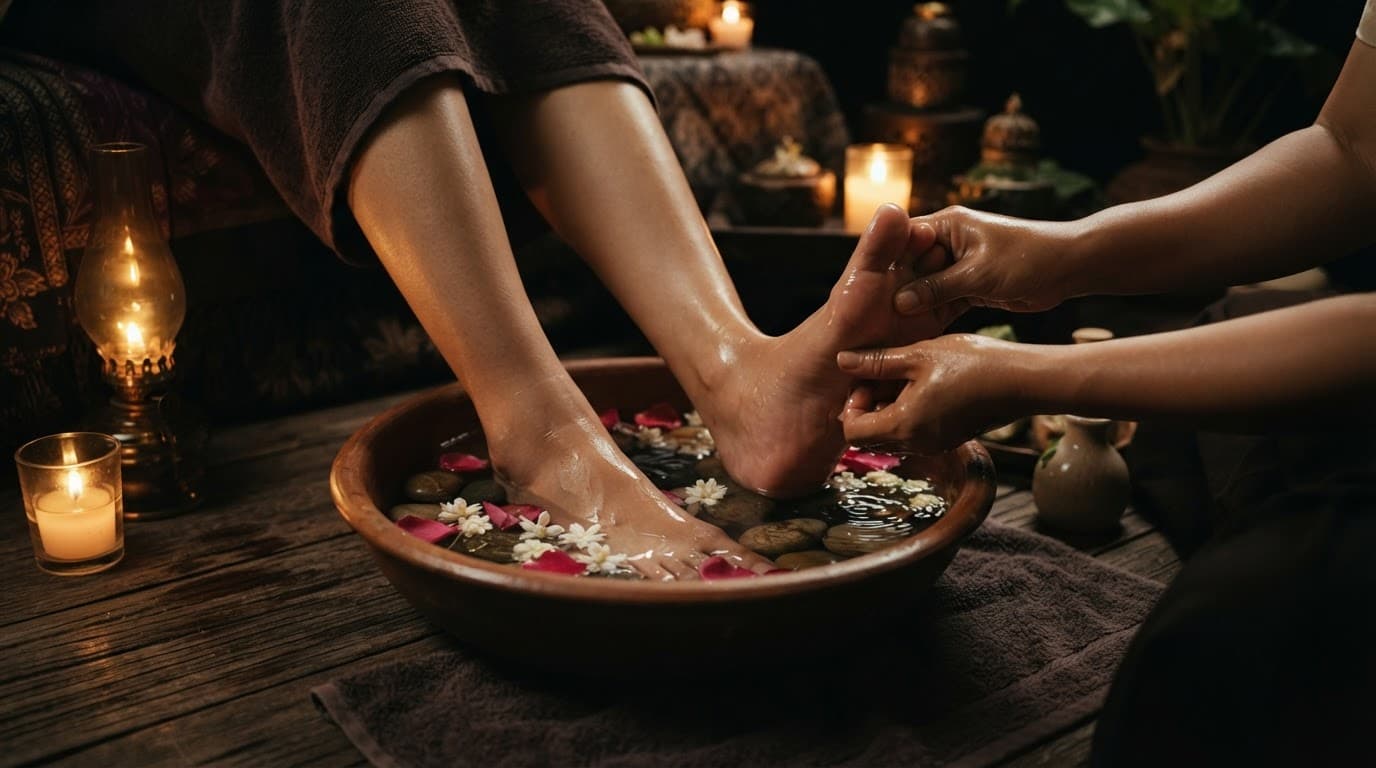
18. Hand massage works through the palms, fingers, wrists, and forearms. It can be useful for people who type, drive, play instruments, work with tools, or use their hands throughout the day. The therapist should avoid forcing painful finger or wrist movement.
19. Balinese massage often combines oil massage, kneading, acupressure, gentle stretching, and longer flowing strokes. Pressure varies by practitioner. Ask whether the session is designed mainly for relaxation or includes firmer work on muscular tension.
20. Abhyanga massage is an Ayurvedic oil treatment that traditionally uses warm oil and rhythmic strokes across the body. The experience is usually slow and calming. Ask about the oil ingredients, shower facilities, draping, and any skin sensitivities before the session.
Which Massage Style Fits Your Main Goal?
The following quick comparison can help narrow your options.
| Your main goal | Styles to consider | What to expect |
|---|---|---|
| General relaxation | Swedish, aromatherapy, hot stone | Slow strokes, calm pacing, light-to-medium pressure |
| Firm work on tight muscles | Deep tissue, trigger point, myofascial release | Focused pressure on selected areas |
| Flexibility and active movement | Thai, sports massage | Stretching, compression, and movement |
| Foot or hand fatigue | Foot massage, reflexology, hand massage | Localized work on tired areas |
| Swelling or lymph-related care | Lymphatic drainage massage | Very light, rhythmic touch from a trained provider |
Your first booking doesn’t need to lock you into one style forever. You can ask for a Swedish session with extra attention on the shoulders, or a full body massage that gives less time to areas you don’t want treated.
A large 2024 Baylor research report found that 11.1% of U.S. adults had used massage, with people choosing it for general health and pain-related reasons. The Baylor report on massage use also shows why treatment goals matter when comparing services.
Massage Guns, Chairs, and Other Home Options
Hands-on treatment is different from using a device. A massage gun delivers rapid percussive pulses, which some people use on large muscle groups after exercise. Avoid using it over the front of the neck, spine, open wounds, areas with reduced sensation, or a suspected injury.
A massage chair uses mechanical rollers, vibration, heat, or airbags. It can be convenient at home, but it can’t adjust its pressure and angle as precisely as a trained therapist. Stop if you feel numbness, sharp pain, dizziness, or unusual discomfort.
A foot massager may combine rolling nodes, heat, vibration, or air compression. Check the instructions before use, especially if you have reduced foot sensation, circulation concerns, swelling, or diabetes. A device shouldn’t be used to investigate unexplained pain.
A massage video can demonstrate basic self-massage, but it can’t assess your posture, injury, or pressure tolerance. Also, a search result for Massage Warehouse may lead to professional equipment and supplies rather than a local appointment.
Brand searches can create similar confusion. Massage Envy, Massage Heights, Elements Massage, and Hand and Stone Massage are recognizable chain names in some markets, but their locations and menus vary. Check the actual address and service list instead of assuming a brand is available near you.
Finding a Massage Provider in Nairobi
People use several searches when looking for local care, including “Massage Near me”, “Massage Places Near Me”, and “Massage Therapy Near me”. If you want a spa setting, you may search for “Massage Spa Near me”, “Massage Spa Nairobi”, or “Massage Near Me Current Location”.
For urgent bookings, “Massage Near Me Open Now” can show late-hour listings, but opening hours may be outdated. Call or message the provider before travelling. Confirm the exact location, treatment type, price, session length, and whether the service is available that day.
In Nairobi, someone might search for “massage Nairobi”, “Nairobi Massage Near me”, “Foot Massage Near me”, or “Massage Parlour Near Me”. The wording doesn’t tell you whether a listing is professional, current, or suitable for your needs. Read the full profile and look for clear service information.
A Nairobi Massage Spa in Kilimani may be convenient if you live or work nearby, but location alone isn’t enough. Confirm the entrance, privacy arrangements, therapist availability, and payment terms before you arrive. Professional providers should explain what the booked treatment includes.
Searches such as “Nairobi Massage ladies” can return mixed results. Don’t assume a provider’s gender, appearance, or profile label tells you anything about training or service quality. Ask direct, respectful questions about the treatment and keep all arrangements within the agreed boundaries.
Be careful with “Nairobi Massage ads” and “Nairobi Massage spa telegram” listings. An attractive price or private message doesn’t prove that the provider is legitimate. Avoid sending deposits to an unverified account, and don’t share one-time passwords, banking codes, or unnecessary personal documents.
Check whether the listing provides:
- A real location and working contact details.
- A clear description of the massage service.
- Recent reviews or verification information.
- Transparent prices and cancellation terms.
- A clear consent and privacy policy.
A listing called “Nairobi Massage parlour” may describe anything from a standard spa to an independent provider. Ask what happens during the appointment, who provides the treatment, and whether you can stop at any time.
What to Expect Before, During, and After a Massage
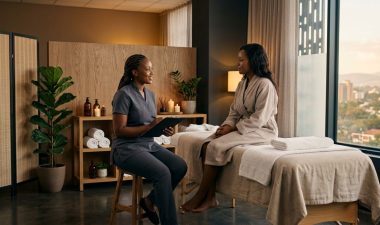
Arrive with enough time to discuss your needs. Tell the therapist where you feel tightness, whether you want light or firm pressure, and which areas should be avoided. You can request more or less coverage at any point.
Professional draping protects your privacy. Only the area being treated should be uncovered, and you should never feel pressured to accept an extra service. Consent applies throughout the session, not only when you first book.
Afterward, move slowly from the table and drink water according to your normal needs. Mild tenderness can occur after firm work, but sharp pain, increasing swelling, numbness, or persistent symptoms deserve medical attention.
Research on massage remains mixed across conditions. A university summary of evidence-based massage benefits discusses findings on stress, mood, and pain while also showing why treatment expectations should stay realistic.
Conclusion
The best choice among these 20 types of massage depends on your goal, pressure preference, health history, and comfort with the provider. Swedish massage suits general relaxation, deep tissue targets selected tension, Thai massage adds assisted stretching, and lymphatic drainage requires specialist care.
When booking in Nairobi, check the provider, location, treatment details, boundaries, and payment terms before you arrive. A clear conversation at the start helps turn a simple massage appointment into a safe and comfortable experience.