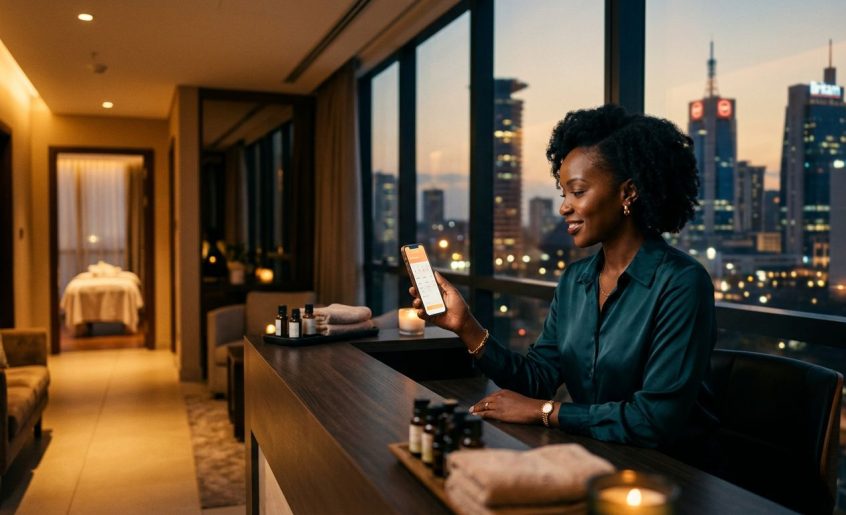
A free afternoon can disappear while you call several spas, compare prices, and wait for replies. A massage app puts availability, treatment details, provider profiles, and booking times in one place, often integrating a built-in messaging app to confirm details instantly.
That convenience matters when you want a Swedish Massage after work, a Thai Massage near your hotel, or a trusted Nairobi Massage Therapist for regular care. The right platform serves as an essential communication tool, reducing the need for back-and-forth text messaging while saving time without asking you to lower your standards. Here is how to use a message app wisely for your next booking.
Key Takeaways
- A massage app streamlines the booking process by combining provider availability, treatment details, and pricing into one platform.
- Always verify real-time availability, clear treatment descriptions, and transparent pricing before confirming an appointment.
- Prioritize safety and consent by checking provider reviews, avoiding unnecessary identity document sharing, and confirming exact locations.
- Integrated messaging tools and booking apps reduce back-and-forth communication while keeping all appointment details organized.
Why a massage app makes booking easier
Finding your next wellness session involves more than dialing a digital phone number. A dedicated message app can show current availability, treatment length, prices, location, reviews, and booking rules before you confirm. Many platforms also send reminders via SMS and MMS, collect deposits, and provide intake forms before the appointment.
For clients, the biggest improvement is visibility. A search for “Massage Near me” or “Massage Spa Near me” often produces a long list with little context. A useful app narrows the results by area, treatment, appointment time, and provider type. You can compare a Massage Spa in Kilimani with a Nairobi Massage Center in Westlands without opening multiple websites.
Location tools also help when your plans change. Searching “Massage Near Me Current Location” can identify nearby options, while filters such as “Massage Near Me Open Now” may show providers accepting appointments at that moment. Still, check the listed address and call or message the provider before traveling.
A booking platform may also store your preferred treatment and appointment history. That helps when you return for a Full Body Massage, Foot Massage, or regular Massage Therapy. Some systems support outcall sessions, but the provider should clearly state travel fees, service areas, and safety requirements.
To coordinate these details, a text app often features a quick reply option for common questions and lets you schedule messages so you never miss a confirmation. Furthermore, direct messaging keeps all communication in one place.
For a closer look at treatment choices, preparation, and aftercare, read this Nairobi massage guide. It can help you understand what to ask before selecting a listing.
Features to check before choosing a massage app
Not every booking platform offers the same level of detail. Before you download an app or submit a booking request, look for practical features that protect your time and personal information.
A reliable app should show:
- Real-time availability, so you don’t book a slot that has already gone.
- Clear treatment descriptions, including session length and pressure level.
- Provider details, such as location, experience, languages, and verified status.
- Transparent pricing, including deposits, travel charges, and cancellation terms.
- Secure communication, featuring secure messaging with optional end-to-end encryption, so you don’t need to share private information too early.
- Booking confirmations and reminders, with built-in spam protection, preferably through the app, email, or SMS.
- Consent and intake forms, backed by offline support for viewing key appointment details without data, especially when you have injuries, allergies, or medical concerns.
MassageBook, for example, lists mobile tools for scheduling, client information, payments, intake forms, and therapist notes in its mobile app features. Other systems target larger operations. WellnessLiving’s current comparison of massage therapy software solutions includes scheduling, payments, marketing, and client management tools.
Privacy deserves attention in Nairobi. An app should not require unnecessary identity documents, intimate photographs, or sensitive health details before a legitimate booking. Avoid providers who pressure you to move immediately to a separate messaging app or who rely on private messaging and disappearing messages when all details should be properly documented.
Search labels can also mislead. Phrases such as “Nairobi Massage ladies,” “Asian Massage,” “Massage Parlour Near Me,” and “Nairobi Massage parlour” may produce mixed results. Read the actual description instead of assuming a label explains the service. A professional listing should state what treatment is offered and what behavior is expected from both sides.
A booking app can make a provider easier to find, but it cannot replace your judgment about consent, privacy, and personal safety.
Match the treatment to what your body needs
The best booking decision starts with the treatment, rather than the app’s most attractive photograph. Different methods suit different goals, and the provider should explain what the session includes.
Swedish Massage uses lighter to moderate pressure and long, flowing movements. Many people choose it for general relaxation and a first appointment. Deep Tissue Massage uses firmer pressure on areas of persistent tightness, although more pressure doesn’t automatically mean better results.
Thai Massage usually involves assisted stretches and rhythmic pressure. Ask whether you should wear comfortable clothing and whether the session takes place on a mat or a table. A Lymphatic Massage or Lymphatic Drainage Massage uses gentle techniques and may require health screening. People with medical conditions should seek advice from a qualified health professional before booking.
Other searches reflect specific needs. “Foot Massage Near me” may lead to a short treatment, while a Foot Massager or Massage Chair is more suitable for home use. A Massage Gun can support some recovery routines, but it isn’t a substitute for assessment by a trained Massage Therapist. Use extra caution around injuries, numb areas, varicose veins, and recent surgery.
You may also see listings for a Body Massage, sports treatment, pregnancy massage, or hot stone service. Ask about pressure, draping, session length, and areas excluded before you pay. If a provider sends a media file sharing link with a massage video, treat it as general information rather than a diagnosis or guarantee. Some platforms even use artificial intelligence to recommend treatments based on your reported tension, or allow video calls for a quick pre-appointment consultation. When planning a spa day with friends, you can coordinate through group chats that feature customizable chat themes to keep everyone excited.
Names from other markets can add confusion. Massage Envy, Elements Massage, Hand and Stone Massage, and Massage Heights are recognizable U.S. brands, while Massage Warehouse is mainly associated with professional equipment and supplies. Their names may appear in online searches, but they don’t automatically indicate a Nairobi location or local booking option.
Finding a professional massage service in Nairobi
A good Nairobi Massage Spa should make basic information easy to verify. Start with the neighborhood, then check the provider’s reviews, photographs, treatment menu, and contact details. Nairobi Massage Spa in Kilimani is one example of the kind of local search a client may make when convenience and location matter.
Search terms such as “massage Nairobi,” “Nairobi Massage Near me,” “Massage Places Near Me,” and “Massage Therapy Near me” can help you discover options. Use them as starting points, not proof of quality. A polished page can still contain outdated information, so confirm availability and the exact address before leaving home.
For a private appointment, ask whether the service takes place at a registered spa, hotel, residence, or another agreed location. If you choose an outcall session, tell someone you trust where you are going or arrange a check-in. When coordinating details via your default messaging app or standard SMS and MMS, keep safety in mind. Meet in a public reception area when possible, and keep control of your transport and phone.
Some listings use terms such as “Nairobi Massage ads,” “Nairobi Massage spa telegram,” or “Nairobi Massage Center” to attract local searches. Relying on rich communication services or a basic text app can be convenient for quick questions, but moving away from a booking platform removes some of its record and reporting features. When communicating off platform, use secure messaging and private messaging carefully, and never send money to an account that changes terms at the last moment.
A professional session requires clear consent. You can set boundaries, ask questions, stop the treatment, or leave at any time. The same applies to the provider. Avoid any listing that promises sexual services, demands secrecy, or treats consent as negotiable.
A practical booking message can be short:
“Hello, I would like a 60-minute Swedish Massage in Kilimani today. Please confirm the price, exact location, therapist availability, payment terms, and cancellation policy.”
The response should answer each point directly. If it doesn’t, choose another provider.
Why therapists and spas use booking apps
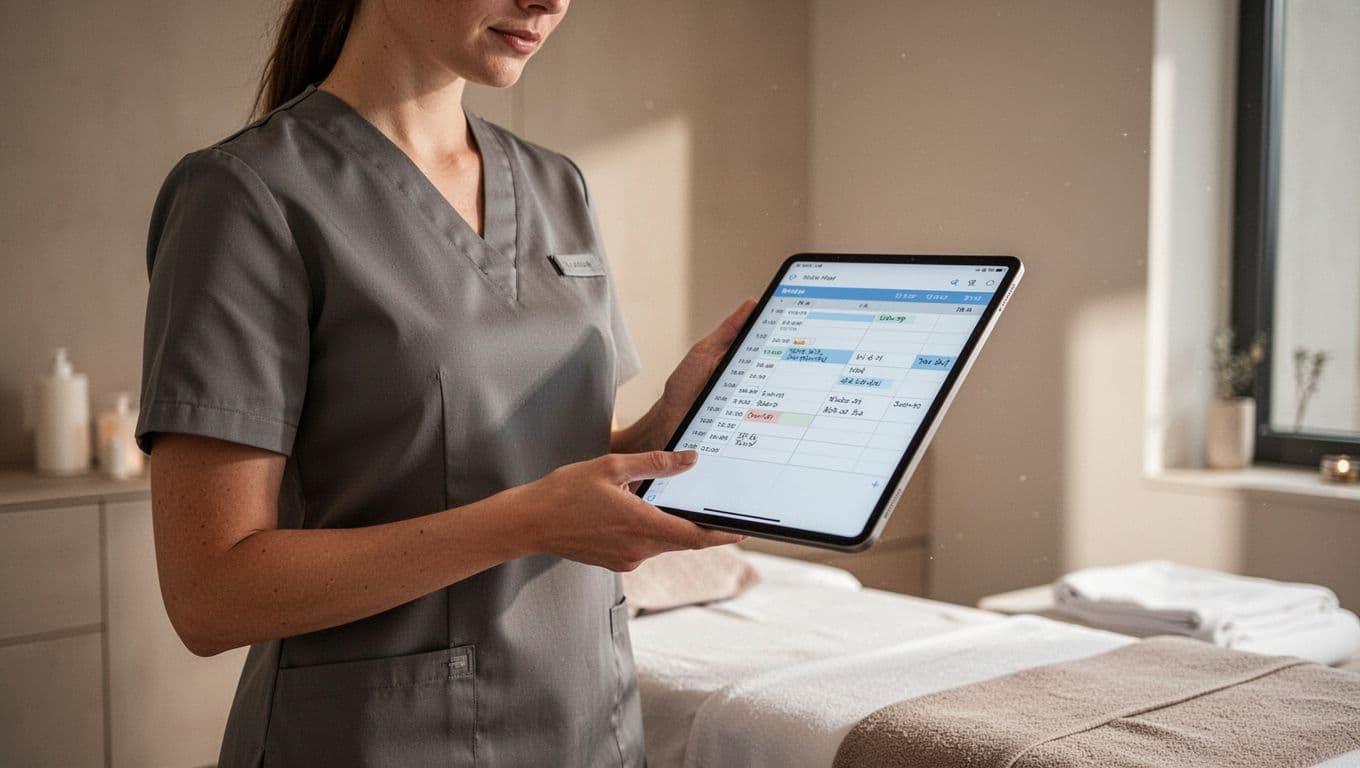
For a Massage Therapist, a booking app reduces the time spent answering repeated questions. Instead of managing inquiries through a separate messaging app or a chat application, clients can see open slots, choose a service, complete an intake form, and receive reminders without several phone calls.
That matters for a small Massage Spa as much as a large clinic. A solo provider can manage appointments, deposits, cancellations, and client notes from a phone. A multi-room spa can assign therapists, rooms, treatment lengths, and add-ons from one calendar.
Modern systems also help with follow-up. After a session, the provider can send aftercare instructions or use built-in text messaging to invite the client to rebook. Some platforms even rely on SMS and MMS or schedule messages in advance to keep clients informed about upcoming wellness appointments.
The best apps remain useful without becoming intrusive. A provider should never use automated messages to pressure clients into a treatment or expose private details, and they often include built-in spam protection to block fake submissions. Advanced tools may even utilize artificial intelligence to handle basic after-hours inquiries. Clear consent, accurate records, and respectful communication matter more than a long list of features.
For clients, these tools can improve reliability. A confirmed booking is easier to track than an informal message, especially when several providers use similar names. For businesses, fewer missed appointments can make the day more predictable.
How to choose your next appointment
Start by deciding what you want, such as relaxation, targeted muscle work, assisted stretching, foot care, or a mobile session. Then filter by neighborhood, availability, price, and provider details while using a text app to coordinate quick questions with your provider.
Check the cancellation policy before paying a deposit. Read recent reviews for comments about punctuality, cleanliness, communication, and whether the service matched its description. You can also discuss preferences beforehand through secure messaging features, or set up group chats when coordinating spa days for friends.
Finally, keep the conversation clear. Confirm the treatment, duration, cost, location, arrival instructions, and boundaries, sometimes utilizing a message app that includes customizable chat themes to keep your booking notes organized. A massage app should simplify that exchange, not rush you into a decision.
Frequently Asked Questions
How does a massage app make booking easier?
A massage app puts availability, treatment details, provider profiles, and booking times into one convenient platform. This eliminates the need to call multiple spas or wait for replies, allowing you to compare options and secure your appointment instantly.
What features should I check before choosing a massage app?
Look for real-time availability, clear treatment descriptions, transparent pricing with cancellation terms, and secure communication features. A reliable app should also provide intake forms and booking confirmations without requiring unnecessary personal documents.
How can I ensure my safety when booking a massage in Nairobi?
Verify the provider’s reviews, exact address, and professional credentials before your appointment. Always confirm details through the official platform or secure messaging, and remember that professional services maintain clear boundaries regarding consent.
Can I use a massage app to book mobile or outcall sessions?
Yes, many platforms support outcall sessions where a therapist travels to your location. However, you should ensure the provider clearly states travel fees, service areas, and safety requirements before confirming the booking.
Conclusion
A massage app can turn a scattered search into a clear booking process. It helps you compare local providers, understand treatments, confirm availability, and keep appointment details in one place. You can coordinate your schedule using a convenient message app or a chat application, ensuring seamless text messaging and client safety through integrated spam protection.
The strongest choice combines convenience with careful checking. You can easily discuss your preferences in group chats, organize your bookings, and rely on secure media file sharing for any required documents. Whether you want a Thai Massage, a Foot Massage, or a full session at a Nairobi Massage Spa in Kilimani, verify the provider, terms, location, and consent before you book. Convenience is useful, but trust and clarity should decide the appointment.