
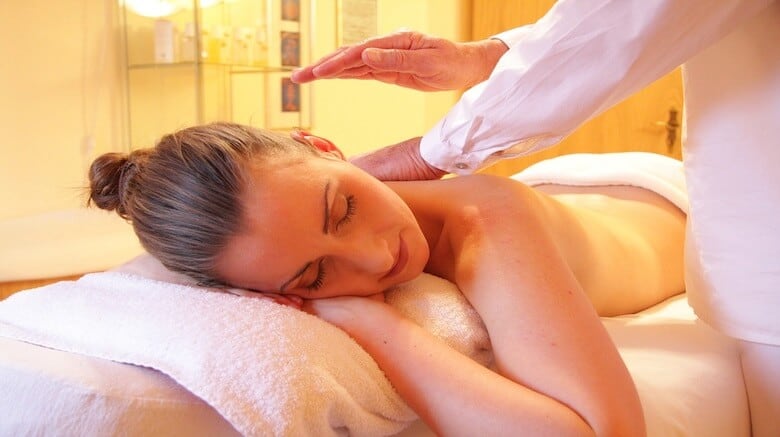
Benefits of Massage for Stress Relief and Better Sleep
Massage can do more than ease sore muscles, it can also help your body settle down after a hard day. Many people look for the benefits of massage because they want less stress, less pain, and better sleep without adding more strain to their routine.
When tension sits in your shoulders or your mind feels wired at night, a good massage can bring real relief. It may help quiet the nervous system, loosen tight spots, and support a calmer mood, which is why so many people make it part of their wellness routine.
If you want a closer look at the health advantages of massage treatments, the next section breaks down what massage can do for your body and mind.
What Happens in Your Body During a Massage?
A good massage does more than ease sore spots. It gives your body a clear message to slow down, soften, and recover.
Inside the session, several things start to shift at once. Your nervous system settles, your muscles let go of some of their grip, and blood moves more freely through tired tissue. That mix is why massage can feel calming in the moment and leave you feeling lighter afterward.
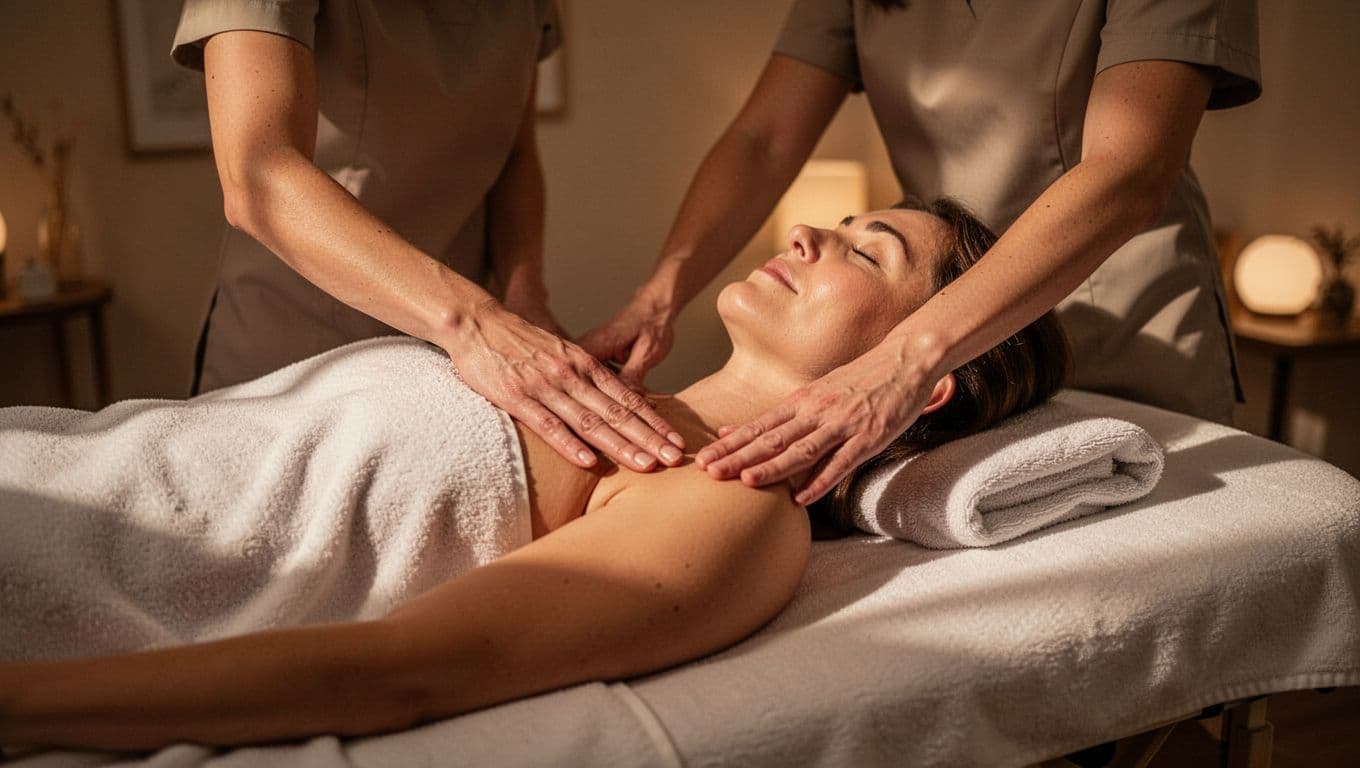 ### How touch helps the nervous system slow down
Your body spends much of the day reading for stress. Tight deadlines, bad sleep, noise, and tension keep it on alert. During a massage, steady pressure and a calm rhythm help switch that alert state off.
That shift is often called moving from “fight or flight” into “rest and digest.” Gentle touch can tell the brain that it’s safe enough to relax, so your heart rate may ease and your breathing may slow. Research on massage and the autonomic nervous system points to this calming effect, with the body settling into a more restful pattern source.
The feeling is simple but real. When the pressure is smooth and predictable, the body stops bracing for impact. Shoulders drop, the jaw loosens, and the whole system feels less wound up.
If you want the long-term picture, the health benefits of regular massage therapy build on this same response over repeated sessions.
Why better circulation matters
Massage also helps blood move through areas that feel heavy or tired. As circulation improves, more oxygen and nutrients can reach the tissues that need them.
That matters because tired muscles often feel stiff when they are not getting the support they need. Better blood flow can make the body feel warmer, looser, and more awake after a session. It can also help areas that have been sitting still for too long, like the neck, lower back, or calves, feel less dull and tight.
A simple way to picture it is this: fresh blood brings in support, and that helps the body recover its rhythm. The result is often a clean, easy kind of comfort that lingers after the massage table.
You can see the same pattern in basic massage physiology, where pressure and movement help stimulate circulation and reduce tension in the tissues source.
Why relaxed muscles move better
Tight muscles can make simple things feel harder than they should. Bending to tie your shoes, turning your neck in traffic, walking up stairs, or stretching after sitting too long can all feel restricted when the tissue is locked up.
Massage helps by softening those tight areas. As the muscles loosen, movement usually feels smoother and less guarded. That can bring fast relief right away, but it can also create a longer-lasting sense of freedom when massage becomes part of a routine.
Here’s the difference:
- Temporary relief often comes during or right after the session, when the muscles let go and movement feels easier.
- Longer-lasting looseness can build over time, especially when tight patterns keep getting worked on before they harden again.
The body remembers tension, so one session may not erase every knot. Still, repeated massage can help the muscles stop clenching so hard in the first place. That’s one reason many people notice they move with less effort after regular treatment, not just less pain in the moment.
Massage works best when it helps your body feel safe enough to stop bracing.
The overall effect is practical. You move with less strain, the tissues feel less stuck, and everyday motion starts to feel more natural again.
The Most Noticeable Physical Benefits of Massage
The most noticeable benefits of massage are usually the ones you can feel right away. Muscles soften, joints move with less effort, and stubborn aches stop shouting quite so loudly.
That physical shift is why massage appeals to so many people. It can support comfort, ease tension, and help the body recover after strain, without promising miracles. For a clear overview of massage basics and what to expect from a professional massage, it helps to think in terms of practical relief, not hype.
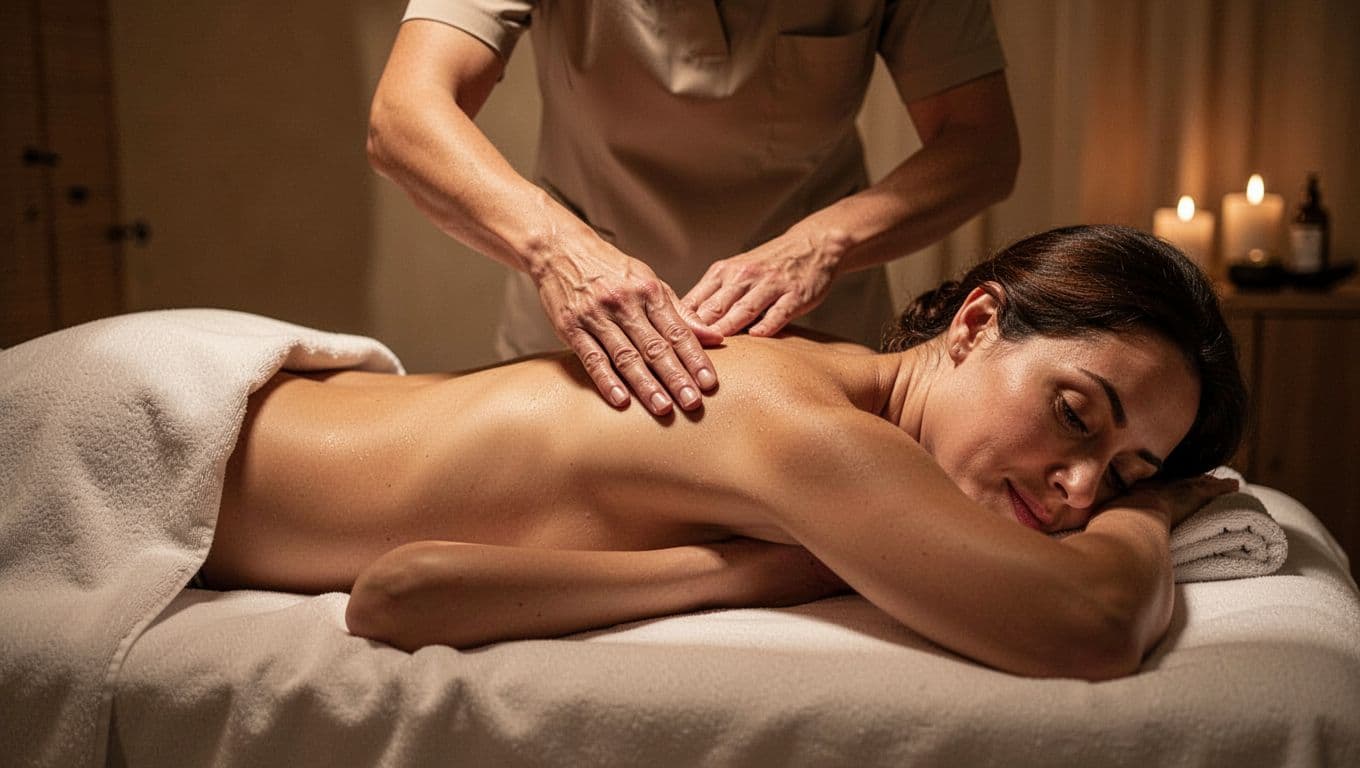 ### Massage can ease sore muscles and stubborn pain
Sore muscles often feel tight, heavy, and almost stuck in place. Massage can help by working those tense areas with steady pressure, which may ease discomfort in the back, neck, shoulders, and legs.
People often notice this most after long hours at a desk, a hard workout, or a night of poor sleep. Neck tightness can make it harder to turn your head. Back pain can make even small movements feel annoying. Massage will not fix every cause of pain, but it can bring useful comfort and help your body relax enough to move more easily.
Headaches and migraines can also be tied to tension in the neck, scalp, and upper back. In those cases, massage may reduce the tight pull that feeds the pain. The relief is often partial rather than complete, which is still valuable when pain keeps building through the day.
A few common areas people notice first include:
- Upper back and shoulders when stress sits there like a heavy pack
- Lower back after long periods of standing, driving, or sitting
- Neck and jaw when clenching or posture causes tightness
- Legs and calves after exercise or a lot of walking
Massage helps most when the pain comes from tension, overuse, or general muscle strain.
For broader context on physical relief, the Mayo Clinic Health System notes massage benefits for muscle stiffness and circulation. That fits what many people feel in real life, a little less grip, a little more ease, and a body that feels less boxed in.
It can improve flexibility and range of motion
Tight muscles can make everyday movement feel smaller than it should. Reaching overhead, turning your neck while driving, or bending after long sitting can all feel restricted when the body is guarding itself.
Regular massage may help reduce that sense of restriction. As muscles loosen and surrounding tissue softens, joints often feel freer and movement can seem less forced. That does not mean you become flexible overnight, but it can make motion feel smoother and less stiff.
This matters in simple daily moments. You might lift a bag into an overhead bin without wincing. You might turn to check a blind spot without that sharp pull in your neck. Even standing up after a long meeting can feel easier when the body is not locked in a clenched shape.
Massage often works best when it pairs with normal movement and stretching. The hands can help open the door, but your body still needs regular use to keep that door from closing again. In other words, massage can help your body feel ready to move, not frozen in place.
Recovery feels easier after workouts or long days
Active people often look for massage because recovery matters as much as effort. After a hard workout, the body can feel tight, tender, and slow to bounce back. Massage may help reduce that post-exercise stiffness and make the next day feel more manageable.
The same idea applies to long, physically demanding work. If you stand for hours, lift boxes, or sit through a long stretch of computer time, your body collects tension like dust on a shelf. Massage can help clear some of that load and leave you feeling less worn down.
That recovery support often shows up as:
- Less tightness in tired muscles
- Less post-workout discomfort after lifting, running, or training
- A faster sense of bounce-back after long days on your feet
- More comfort during the next round of movement, whether that means a workout or another shift
Research on deep tissue massage and muscle recovery also points in this direction, with possible support for reduced soreness and better recovery after physical stress source. The effect may be modest, but for someone who feels worn out, modest relief can still matter.
Massage may help with swelling and body tension after strain
When the body has been under repeated strain, it can hold tension in a way that feels puffy, heavy, or irritated. Gentle massage may help encourage circulation and reduce that backed-up feeling in minor cases. It can also soften the protective tension that builds around overused areas.
That said, massage is not the right answer for every kind of swelling or pain. A fresh injury, sharp pain, major swelling, numbness, or bruising needs medical care first. Massage should never replace proper treatment for serious problems.
Used in the right situation, though, it can be a helpful support. A strained neck, a tense lower back, or an overworked shoulder may all respond well to careful pressure and rest. The body often calms faster when it gets both attention and time.
The physical benefits of massage are easiest to notice when you focus on comfort, motion, and recovery. That is where it shines, helping your body feel less tight, less stuck, and more ready for the day ahead.
Benefits of Massage for Stress, Mood, and Sleep
Massage can do more than ease tight muscles. It can also help the body settle, which gives the mind more room to breathe. When stress starts to feel heavy, that kind of relief can change the whole tone of the day.
A good session often leaves you feeling softer inside and out. Your breathing slows, your thoughts stop racing as hard, and the noise in your head feels less sharp. For many people, that calm after a massage is the part they remember most.
 ### Less stress means a lighter mind
Stress shows up in the body first. Your shoulders creep upward, your jaw tightens, and your chest can feel as if it is holding its breath. Massage helps break that pattern by giving your muscles a chance to let go.
That release matters because a calmer body often leads to a calmer mind. When the body stops bracing for the next task, the brain gets fewer signals that say “stay alert.” As a result, worries can feel less loud, even if your to-do list is still there.
This is one reason many people look into the benefits of Swedish massage for stress relief. The steady rhythm and gentle pressure can create a sense of ease that feels almost like a reset button for a busy week. After work, family duties, travel, or a packed schedule, that reset can feel priceless.
A few common stress signs may ease after a massage:
- Tight shoulders that feel stuck near your ears
- A clenched jaw from constant tension
- A busy mind that keeps replaying the day
- Shallow breathing that never seems to fully slow down
When those signals soften, the mind often follows. You may still have a full day ahead, but it feels less like you are carrying it on your back.
Why massage can lift your mood
Massage can improve mood because relaxation and comfort go hand in hand. When your body feels safe and cared for, your mood often shifts with it. That change can feel simple, but it is real.
Touch can also support the release of endorphins, the body’s natural feel-good chemicals. Those are part of the reason a massage can leave you feeling lighter, more balanced, and less dragged down by stress. Research reviews on massage therapy have linked it with lower anxiety and better emotional well-being, which fits what many people feel after a session research review.
A good massage does not just loosen muscles, it can also take the edge off a hard day.
That emotional lift often comes from more than one place at once. The quiet room helps. The steady pressure helps. So does the feeling that someone is paying close attention to your comfort. Put together, those pieces can leave you refreshed and cared for, not just physically relaxed.
Better sleep often follows a calmer body
Sleep gets easier when the body stops acting like it has somewhere else to be. Massage can help with that by reducing tension and lowering stress, which makes it simpler to fall asleep and stay asleep. If your mind usually runs circles at night, that physical calm can be the missing piece.
Evidence from sleep-focused reviews shows that massage may improve sleep quality, shorten the time it takes to fall asleep, and support better sleep through the night sleep and mood evidence. That matters because restless sleep can drain you the next day just as much as a long list of tasks.
The benefits often show up the next morning too. Better rest can mean more energy, sharper focus, and a little more patience when the day gets messy. You may notice that small problems feel easier to handle when you are not starting from a tired, frayed place.
For many people, the best time for a massage is close to bedtime or on a quiet evening. The body has time to hold onto that relaxed feeling, and the mind gets a softer landing before sleep. In that state, rest feels less forced and more natural.
When massage helps your body unwind, sleep can feel less like a battle. The result is often a calmer night and a steadier day after it.
Who Can Benefit Most From Massage Therapy?
Massage helps a wide range of people, but some groups feel the change more clearly than others. If your day leaves you stiff, tense, or mentally worn down, massage can give your body a chance to reset.
The biggest benefits of massage often show up when stress, pain, or repeated strain has built up over time. That includes people who sit for hours, train hard, sleep poorly, or carry tension in their bodies without much relief. It also includes older adults who want to move with more comfort and ease.
Office workers and people who sit too much
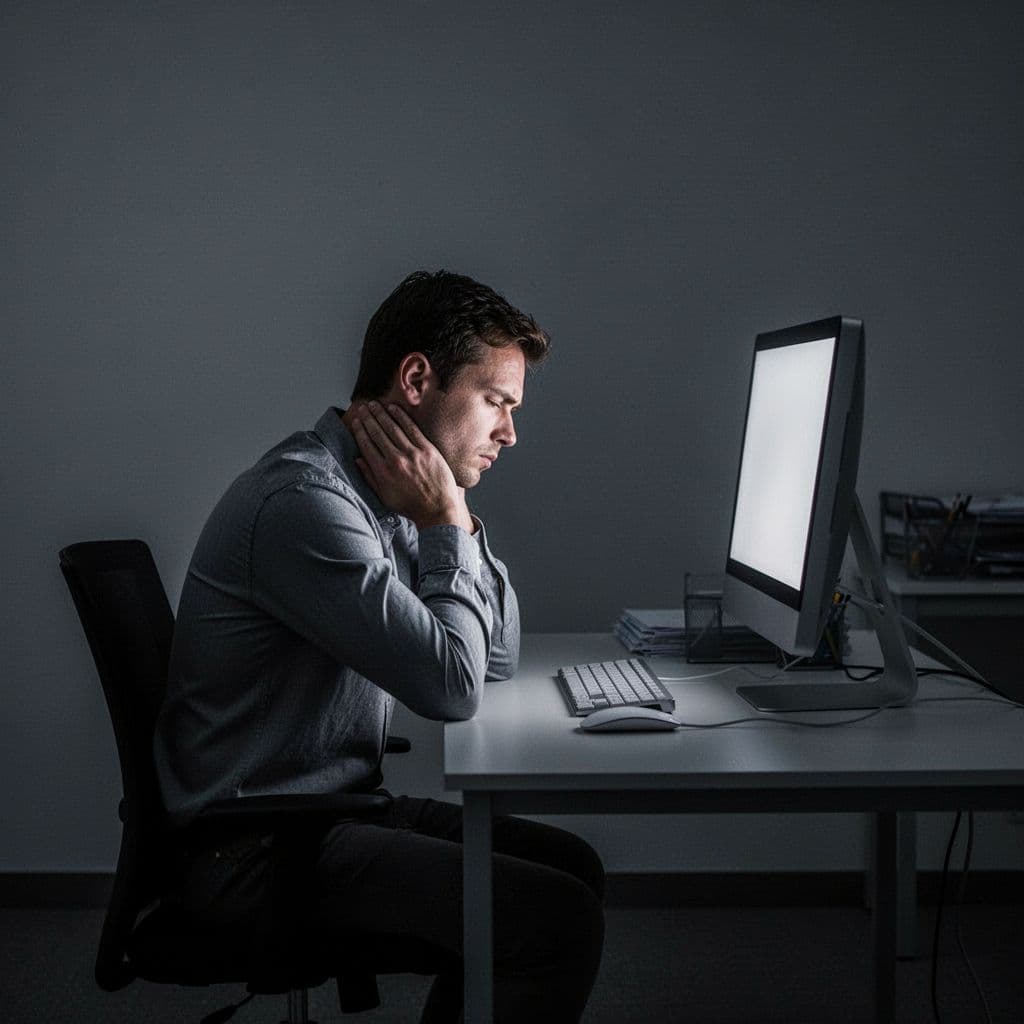 Long hours at a desk can leave a real mark on the body. Your neck may feel stiff, your shoulders may creep upward, and your lower back can start to ache from staying in one position too long.
Massage may help undo some of that strain by loosening tight tissue and giving overworked muscles a break. It can also ease the feeling of being “stuck” in your chair all day, which is common when posture gets sloppy and movement stays limited. Even a focused session on the neck, shoulders, and back can make sitting, standing, and turning feel less uncomfortable.
People with desk jobs often carry tension without noticing it right away. By the end of the day, it shows up as soreness, tight breathing, or a heavy feeling across the upper back. A massage can bring attention to those trouble spots before they harden into a longer-lasting pattern.
Active people and athletes
People who train, run, lift, or play sports put their muscles under constant demand. That work builds strength, but it also creates tightness, soreness, and fatigue that can slow the body down.
Massage can support recovery by easing muscle tension and helping the body feel ready for movement again. It may also help with mobility, which matters when you want your joints and muscles to move smoothly instead of fighting each other. Research on massage and athletic performance points to benefits like reduced muscle tension and better recovery after physical stress source.
The timing matters too. A massage before exercise can help prepare the body and loosen stiff areas. After exercise, it can support recovery and make soreness feel more manageable. Either way, the goal is the same, keeping the body in better shape for the next round of movement.
People dealing with daily stress or poor sleep
When stress runs high, the body holds on tight. Your jaw clenches, your shoulders rise, and your mind keeps replaying the same worries long after the day is over.
Massage can feel like a reset for people who are worn down or mentally overloaded. The room gets quieter, the pace slows, and the nervous system gets a chance to settle. That matters because stress does not just live in your head, it settles into your muscles and drains your sleep too.
For people who struggle to fall asleep, massage can help create a softer landing at night. A calmer body makes it easier to relax into rest instead of lying awake with tension in your chest or neck. That is one reason many people look to massage when stress and sleep problems start feeding each other.
The people who often feel the biggest shift are the ones who spend the day carrying tension without much relief.
Busy parents often fall into this group too. Between work, home, and everyone else’s needs, the body can feel like it never gets a break. Massage offers a rare pause, and that pause can help you breathe a little easier.
Older adults who want to feel more comfortable moving
As the body gets older, stiffness can make normal movement feel less smooth. Getting out of bed, reaching overhead, or walking after sitting too long may take more effort than it used to.
Gentle massage can help older adults feel more comfortable by easing muscle tightness and supporting flexibility. It may also make movement feel less guarded, which matters when someone wants to stay active, independent, and at ease in daily life. The work should always match the person’s comfort, health needs, and range of motion.
A careful, well-paced session is usually the best fit here. Pressure should feel supportive, not forceful. If there are health concerns, recent surgery, pain conditions, or fragile skin, the massage plan should be adjusted with care.
For many older adults, the real value is simple. They want to move without bracing for discomfort, and massage can help make that possible in a calm, respectful way.
Choosing the Right Type of Massage for Your Goal
The best massage is the one that matches what your body needs today. A calm, slow session can help you switch off after a tense week, while firmer work may fit stubborn knots or training soreness better.
That choice matters because massage is not one-size-fits-all. The right pressure, pace, and focus can make the difference between feeling simply pampered and feeling truly helped. If you want a wider view of different Asian massage styles, it helps to compare the goal first, then match the method to it.
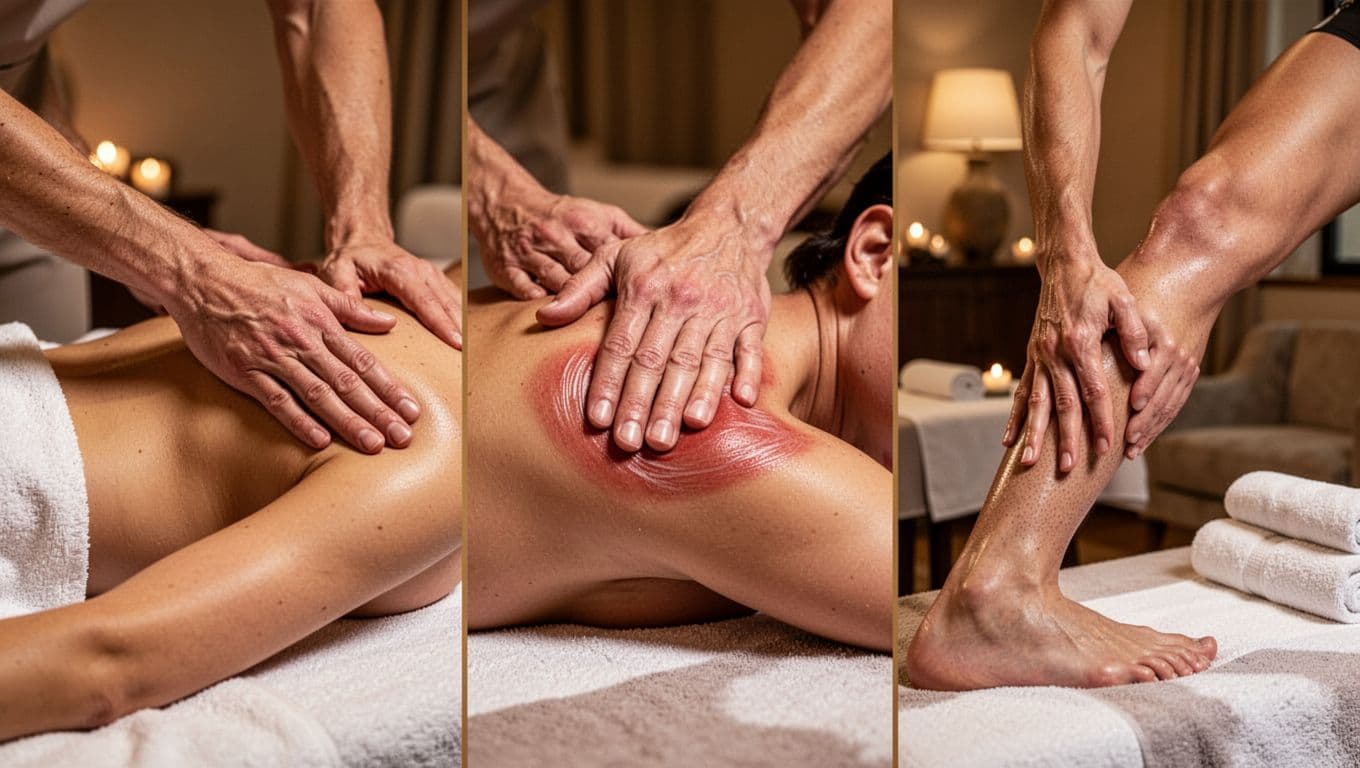 ### Relaxation massage for stress relief
Relaxation massage is a strong choice when your main goal is to unwind. It uses slow, steady pressure that helps the body settle and the mind stop pushing so hard.
This style works well if you feel tense, tired, or mentally full. The room is usually quiet, the strokes are smooth, and the pace gives your breathing room to slow down. That peaceful rhythm can feel like turning down the volume after a loud day.
People often choose relaxation massage when they want:
- Less stress in the body, especially in the shoulders, neck, and back
- A calmer mind before bedtime or after work
- A gentle reset without strong pressure or pain
It also fits people who want comfort more than intensity. If your body feels guarded, a softer touch often helps more than a hard push.
Deep tissue massage for tight spots
Deep tissue massage uses firmer pressure to reach areas that feel stuck. It can help with chronic tension, stubborn knots, and muscles that seem to hold stress no matter how much you stretch.
This style is useful when the problem feels layered. A tight shoulder may need slow, focused work instead of broad strokes. A lower back that never fully relaxes may respond better to deeper pressure than a lighter session.
Still, stronger pressure is not always better. Some bodies need less force, even when pain is present. If the pressure feels too sharp, your muscles often tighten again instead of letting go.
Good deep tissue work should feel focused, not punishing.
For more detail on how massage styles differ, WebMD’s overview of massage therapy styles gives a clear side-by-side look at common options. That kind of comparison helps when you know you need relief, but you are not sure which style fits best.
Sports massage for active bodies
Sports massage makes sense when your goal is movement, recovery, or performance support. It often targets the muscles you use most, so it fits runners, lifters, dancers, and anyone who trains regularly.
A session may include firmer work, stretching, or focused pressure on a specific area. Before activity, it can help warm up tight muscles and improve readiness. After activity, it can ease soreness and support recovery so your body feels less beat up the next day.
This style is practical for people who notice patterns in the same places, like tight calves, hamstrings, or shoulders. It can also help when a workout leaves you feeling lopsided, stiff, or out of sync.
The goal is simple, keep your body moving well and help it recover with less strain. If that sounds familiar, sports massage may fit better than a general relaxation session.
Specialized massage for specific needs
Some people need a gentler or more targeted approach. Age, pain level, stress, health concerns, and even energy levels can shape what feels right on the table.
A therapist can adjust pressure, focus on certain areas, or avoid spots that need extra care. That flexibility matters if you are dealing with sensitivity, a recent strain, or a body that doesn’t like heavy pressure. In those cases, a custom session often works better than trying to force one style into every situation.
Choosing well starts with speaking up about your goal. If you want help sleeping, say that. If a sore neck is the main issue, point to it. The more clearly you describe what you want, the easier it is for the therapist to choose the right method.
A simple way to think about it is this:
- Want to relax and sleep better? Choose a gentle, soothing massage.
- Want relief from tight knots? Choose deeper, targeted work.
- Want support for training or recovery? Choose sports massage.
- Need special care or light pressure? Ask for a customized approach.
The benefits of massage grow when the style matches the goal. When that match is right, the session feels more useful, more comfortable, and more likely to give your body what it was asking for in the first place.
Safety Tips and When to Check With a Professional
Massage is usually safe, and for many people it feels like a reset button for a tense body. Still, a good session starts with common sense. If pain feels wrong, symptoms seem unusual, or a health issue is already in play, it’s smart to pause and get advice first.
A little caution protects the benefits of massage without turning the process into a worry. The goal is simple, feel better, stay safe, and know when the right next step is a doctor, not the massage table.
When massage may not be the best first step
Some symptoms need medical attention before massage. Severe pain, fever, unexplained swelling, numbness, chest pain, or shortness of breath are not signs to work around. They can point to a problem that should be checked by a doctor first.
Recent injuries also need care. A fresh sprain, broken bone, bad bruise, or new joint pain can get worse if someone presses on it too soon. The same goes for redness, heat, or swelling that appears without a clear cause.
If you have a medical condition, ask before booking. That includes pregnancy concerns, blood-clot history, cancer treatment, severe osteoporosis, uncontrolled high blood pressure, or a recent surgery. In those cases, a doctor or qualified professional can tell you whether massage is safe and what kind, if any, is appropriate.
If a symptom feels sharp, sudden, or out of place, treat it as a medical issue first.
For a quick reference on situations that need extra caution, the Mayo Clinic Health System overview of massage benefits is a useful starting point, and it also helps to review basic contraindications before you book.
 ### How to choose a skilled massage therapist
A good therapist should make you feel comfortable before the massage even begins. Look for someone who listens, explains the session clearly, and respects your boundaries without acting rushed or dismissive.
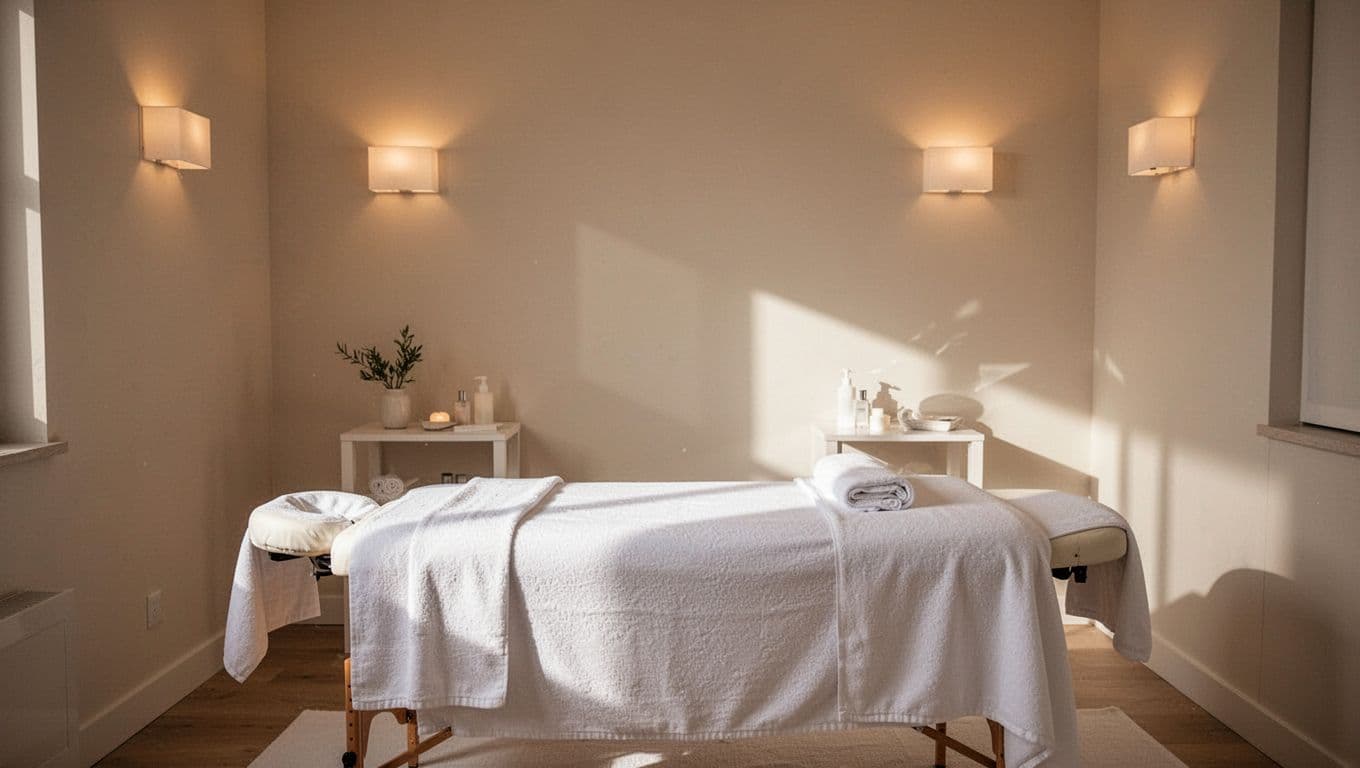
Cleanliness matters too. Fresh linens, tidy surfaces, clean hands, and a well-kept room show care and professionalism. If the space feels off, trust that feeling. Comfort starts with the environment as much as the pressure.
Experience counts as well. Ask about their training, the massage styles they offer, and whether they’ve worked with clients who have similar needs. If you want help finding a reliable provider, the Kilimani massage guide can help you think through safety, service quality, and booking details in one place.
A few signs usually point to the right person:
- They ask about your health history and goals.
- They explain what to expect before they start.
- They welcome feedback about pressure and comfort.
- They keep the session respectful and professional.
That kind of therapist gives you more than a relaxing hour. They give you confidence that your body is in good hands.
How to get better results from each session
Good results start with honest communication. If the pressure feels too light, say so. If it hurts, speak up right away. A massage should feel like useful work, not a test of endurance.
Share your goal before the session begins. Maybe you want help with sleep, stress, a stiff neck, or a sore lower back. The clearer you are, the easier it is for the therapist to focus on what matters most. If something feels sensitive, mention that too.
After the massage, give your body some time to settle. Drink water, rest if you can, and avoid rushing back into a stressful pace. Some people feel loose and calm right away, while others feel a little tired before the benefits set in. That is normal.
A simple aftercare routine can help:
- Hydrate so your body has what it needs to recover.
- Move gently instead of jumping into a hard workout.
- Notice how you feel over the next few hours.
- Book the next session based on your actual response, not guesswork.
Massage works best when you treat it as part of your routine, not a one-time fix. When you choose the right therapist, speak honestly, and respect your body’s limits, the benefits of massage usually show up more clearly and last a little longer.
Conclusion
The main benefits of massage are clear, less stress, less pain, better movement, and deeper sleep. When the body lets go of tension, the mind usually follows, and daily life feels a little easier to carry.
That is why massage works best as part of a healthy routine, not just a rare treat. If your body needs firmer pressure for stubborn tight spots, deep tissue massage benefits may be worth a closer look.
Choose the style that fits your goal, the pressure that feels right, and the therapist who listens well. Used for the right reason, massage can feel good in the moment and still support your health long after the session ends.