
Aromatherapy Massage Guide: Oils, Benefits, Safety
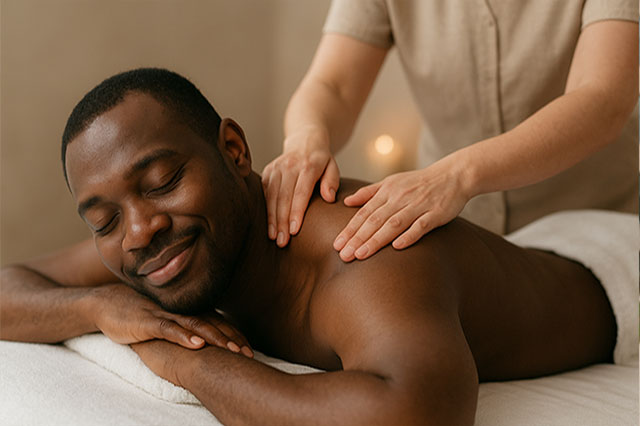
An aromatherapy massage is a full-body (or targeted) massage that uses diluted essential oils to support how you feel in your body and mind. People book it because they want to calm stress, lift their mood, sleep better, or ease sore muscles after long days. The touch does the heavy lifting, while the scent and oil blend add an extra layer of comfort.
In practice, the therapist mixes a few drops of essential oil into a carrier oil (like sweet almond, grapeseed, or jojoba) and applies it during the massage. As you breathe in the aroma and the oil sits on the skin, your nervous system can start to settle, which often helps your body relax faster. That said, oils don’t “fix” everything, they’re support tools that work best alongside good technique and a calm setting.
The best aromatherapy massage feels like a regular massage first, with scent and oil choice tailored to your goal.
This guide keeps things simple and practical. You’ll learn how aromatherapy massage works, what common oils are used for (think lavender for relaxation or peppermint for that fresh, cooling feel), and how blends are chosen based on stress, tension, and mood. You’ll also see what usually happens in a session, from the intake chat to pressure level, draping, and how the therapist checks in during the massage.
Safety matters, especially with essential oils. Some oils can irritate skin, trigger headaches, or react with certain conditions and medications, so you’ll get clear tips on patch testing, dilution, and when to skip an oil altogether (for example, during pregnancy, with asthma flare-ups, or if you have sensitive skin). If you’re choosing a provider, you’ll also find what to look for in hygiene, consent, communication, and professional boundaries so you can book with confidence.
Finally, you’ll get easy aftercare you can do right away, like drinking water, taking it slow after the session, and watching for any skin reaction. By the end, you’ll know what to ask before you book, what “good” looks and feels like in the room, and how to pick oils that match what your body needs that day.
What aromatherapy massage is and why it feels different
Aromatherapy massage is regular massage plus essential oils, used in tiny amounts and mixed into a carrier oil for safe skin contact. The massage technique still matters most, pressure, pacing, and how the therapist works with your muscle tension. The oils add scent and a “feel” on the skin, which can change how your body settles during the session.
It often feels different because scent has a direct line into your emotions and memory. Add slow, steady touch and calmer breathing, and many people relax faster than they do with an unscented massage. That doesn’t make it a cure. Think of it more like a supportive layer, like turning down bright lights and putting on softer music, your body gets more signals that it’s okay to unclench.
How essential oils and touch work together in your body
Smell is one of the quickest senses to trigger a reaction. When you inhale an essential oil aroma, the scent molecules travel through your nose to areas of the brain linked to memory, mood, and stress response. That’s why a scent can feel comforting, energizing, or even distracting within seconds. If lavender reminds you of clean sheets, your shoulders might drop without you trying. On the other hand, if a floral scent brings up a bad memory, you might feel tense even with great massage work.
At the same time, massage works through touch and movement. Gentle pressure and strokes can support circulation, warm tight areas, and help muscles shift from “guarding” to “letting go.” Many people also start breathing slower during a good massage, especially when the therapist keeps a calm rhythm. Slower breathing can support a relaxed state because it signals safety to your nervous system.
Essential oils are not used like regular body oils. They’re highly concentrated, so a therapist should add only a few drops to a larger amount of carrier oil (such as sweet almond, grapeseed, or jojoba). That dilution helps lower the chance of skin irritation. The scent you notice usually comes from what you breathe in, not from soaking the skin in oil.
A simple way to picture it:
- Aromatherapy Massage can ease physical tension through pressure, heat, and movement.
- Aromatherapy Massage can shape your mood and stress level through scent and association.
- Together, they may help you relax more fully because your body gets the same message from two directions.
If an aromatherapy massage feels amazing, it’s usually because the technique is solid and the scent suits you, not because the fragrance is strong.
Aromatherapy massage benefits people commonly notice
Most people don’t book aromatherapy massage to “treat” something. They book it because they want to feel better in everyday ways, especially after long, demanding weeks. When the oil choice matches your preferences and the pressure feels right, the session can feel more personal and more “finished” than a basic massage.
Here are benefits people commonly report (and why they make sense):
- Feeling calmer during and after: soothing scents, paired with steady touch, can support a downshift from stressed to settled.
- Better sleep that night: relaxation plus slower breathing can make it easier to switch off at bedtime.
- Less neck and shoulder tension: massage helps soften overworked muscles, while calming aromas may reduce the urge to brace.
- Improved mood: pleasant scent is a small thing, but it can change the tone of the whole session.
- A sense of comfort and safety: the right blend can feel like a familiar “blanket,” especially when the room is quiet and warm.
- A more spa-like experience: aroma makes the session feel intentional, not just functional.
Aromatherapy massage can be a good fit if your life stacks tension in the same places. For example, it may help if you:
- Sit for long hours and carry stress in your upper back
- Commute far and arrive home wired and stiff
- Spend days on your feet and want gentle comfort, not deep pressure
- Feel mentally busy and struggle to relax in silence
At the same time, it helps to manage expectations. If you have severe pain, a new injury, numbness, swelling, or pain that keeps getting worse, don’t rely on massage alone. A therapist can support comfort, but medical guidance matters for diagnosis and treatment. Also, if you want “instant results,” remember that relaxation often builds in layers. One session may help, yet consistent self-care (sleep, hydration, movement) still does a lot of the work.
Common myths, like stronger scent means better results
Aromatherapy massage has a few stubborn myths, and they can lead to uncomfortable sessions. The biggest one is that more drops equals more benefit. In reality, too much essential oil can overwhelm your senses, irritate your skin, or trigger a headache. A balanced blend should smell pleasant, not shouty.
Another common mistake is assuming essential oils are harmless because they’re “natural.” Poison ivy is natural too, and you still don’t want it on your skin. Essential oils are concentrated plant chemicals, so reactions can happen, especially if you have sensitive skin, allergies, or asthma. Citrus oils, for example, can raise sun sensitivity for some people, so your therapist should be thoughtful about what they use and how.
A third myth is that the oil does the heavy lifting. A great aromatherapy massage is still a great massage first. If the therapist rushes, uses sloppy pressure, or ignores your feedback, a fancy scent won’t save it.
Here’s what “good” looks like in real life:
- The Aromatherapy Massage therapists asks what you want (relaxation, tension relief, sleep support) and checks for sensitivities.
- They use safe dilution in a carrier oil, not undiluted essential oils on the skin.
- They keep the fragrance level comfortable, and adjust if it feels too strong.
- Technique stays the focus, with aroma as the extra layer.
If a scent feels off, speak up early. You’re not being difficult, you’re helping the session work for you. A confident therapist will switch oils, use less, or skip aroma altogether. Comfort and safety always beat a stronger smell.
Choosing the right essential oils for your goal, without getting overwhelmed
Picking essential oils for aromatherapy massage should feel like choosing a soundtrack, not studying for an exam. Start with how you want to feel after the session, then choose a simple scent direction that matches your taste. If you hate sweet florals, forcing lavender won’t help you relax.
A clean way to decide is to pick 1 to 3 goals for that day. More than that and your blend can get muddy, both in scent and in effect.
- Relaxation: softer, floral, herb, or gentle citrus notes.
- Energy: bright citrus or minty-fresh notes (used lightly).
- Muscle comfort: cooling or warming oils (always well-diluted).
- Clear breathing: fresh, camphor-like or minty oils (kept away from the face).
- Mood support: oils you personally enjoy, because preference matters most.
Single oils are the simplest option, and often the best starting point. A single oil is predictable, easy to patch test, and easier to blame (or credit) if your skin reacts or you love it. A blend can feel more “finished” because it rounds out sharp notes, but it also increases the chance that one ingredient won’t agree with you.
If you’re unsure, pick one main oil you like, then add a second oil only if you want to soften or brighten the scent.
Also think about your real life after the massage. If you’ll be in the sun, skip phototoxic citrus on skin. If you have asthma, keep scents light. If you live with pets, be careful with diffusing at home (more on that below).
Relaxation and stress relief oils that are popular for massage
Relaxation oils usually smell like calm feels, soft, familiar, and not too sharp. These are common choices because many people find them comforting in a massage room.
Lavender is a classic for a reason. It smells floral with a clean, herbal edge, like fresh linen with a garden note. People often pick it for stress, winding down, and sleep support after the session.
Chamomile (often Roman chamomile) smells gentle, sweet-herbal, and slightly apple-like. It’s a cozy choice when you want the massage to feel nurturing, especially if you’re feeling frayed.
Bergamot smells citrusy but more “tea-like” than orange, with a light floral note. Many people like it for mood support because it feels bright without being loud, however some citrus oils (including bergamot) can increase sun sensitivity when applied to skin.
Ylang-ylang smells rich, floral, and a bit tropical, with a creamy sweetness. It’s popular when someone wants to feel deeply relaxed, although it can feel intense if you’re scent-sensitive, so lighter dilution helps.
Citrus oils in general can feel uplifting, which is great when stress makes you feel flat. Still, if an oil is going on your skin, ask your therapist about sun exposure afterward. Phototoxic citrus oils can raise the risk of sunburn on treated areas, especially within the next day.
A quick tip that keeps things simple: if relaxation is your main goal, choose one comfort scent and keep the blend quiet. Too many notes can feel like clutter in your nose.
Oils people choose for sore muscles and post-workout comfort
For sore muscles, people usually want one of two sensations: cooling relief, or warming comfort. These oils can feel strong, so the skill is using less, not more.
Peppermint smells minty, sharp, and clean. On skin it can feel cooling, which many people like after workouts, long walks, or heavy leg days. Because it’s powerful, it needs careful dilution, and it should never get near eyes or mucous areas.
Eucalyptus smells fresh and camphor-like, the “clear shower steam” vibe. People choose it when they want a clean, open feeling while the therapist works tight shoulders or an upper back that feels stuck.
Rosemary smells herbal and a little piney, with a warming edge. Many clients like it when they want to feel alert and looser at the same time, especially for stiff necks or desk shoulders.
Ginger smells spicy-warm and earthy. It’s often picked for that cozy heat feeling on tight areas, like hips, low back, or calves, although it can feel hot on very sensitive skin.
Because these oils can create heat or cold sensations, start mild. Ask your therapist to use fewer drops at first, then increase only if it feels good. During the massage, speak up early if the sensation feels too intense, because waiting can turn “refreshing” into “burny.”
A few non-negotiable safety basics apply here:
- Dilution matters because peppermint, eucalyptus, rosemary, and ginger can irritate skin at higher strengths.
- Avoid eyes and sensitive areas (face, inner thighs, genitals, broken skin). Accidental transfer from hands can sting fast.
- Communicate in real time. If it feels too cold, too hot, or tingly in a bad way, say so.
If you’re booking for post-workout comfort, also consider asking for a split approach. For example, keep a stronger “muscle” oil on legs and back, but use a softer relaxation oil on the neck and scalp.
A simple way to test an oil blend before it goes on your skin
You don’t need a lab to avoid a bad oil match. A quick two-step check catches most problems before they ruin the session.
First, do a fast smell test. Ask to sniff the bottle or the pre-mixed blend on a tissue. Give it a few seconds, then ask yourself: does it feel pleasant, or does your head tighten? If a scent already feels annoying, it won’t improve once it’s on warm skin for an hour.
Next, use a basic patch test idea when you can (especially if you have sensitive skin or allergies). Apply a tiny amount of the diluted blend to a small area like the inner forearm. Then wait and watch.
- Apply a small dot of the diluted oil (not neat essential oil).
- Leave it alone, don’t scrub it off right away.
- Wait (ideally several hours, or up to 24 hours if you’re cautious).
- Check for signs like redness, itching, burning, swelling, or a rash.
Sometimes you won’t have time for a full patch test right before a massage. In that case, ask the therapist to start with a small area first, like one forearm, and check in after a few minutes.
If you react during the massage, keep it simple and direct:
- Ask the therapist to stop using the oil right away.
- Request they wipe off the area with a clean towel and switch to unscented carrier oil.
- If the scent itself bothers you, ask them to remove the source (bottle, diffuser, or hot towel aroma) and air out the room if possible.
A good therapist won’t argue. They’ll adjust fast, because comfort and safety come first.
Safety checklist: who should be extra careful with aromatherapy massage
Essential oils are concentrated. Most people do fine with proper dilution, yet some situations call for extra care, lighter scent, or skipping aroma completely. When in doubt, check with a clinician who knows your history.
Be especially cautious if any of these apply to you:
- Pregnancy: Some oils are not recommended, and skin can react more easily. Keep blends simple and ask for pregnancy-trained care.
- Breastfeeding: Oils can transfer to baby skin through contact, so choose mild options and avoid strong scents on the chest.
- Epilepsy or seizure conditions: Some scents and oils can be triggering for certain people. Discuss this with a clinician, then keep choices conservative.
- Migraines triggered by scent: Even “nice” aromas can set off headaches. Ask for light scent or go unscented.
- Asthma or breathing issues: Strong fragrance can irritate airways. Avoid diffusers, and use low-scent topical blends if you use any.
- Allergies or very sensitive skin: Patch test, use fewer oils, and stick to gentle options with careful dilution.
- Certain medications: Some meds increase skin sensitivity, bleeding risk, or sun sensitivity. A clinician can advise what’s appropriate for you.
A few general safety reminders are worth keeping in your back pocket:
- Don’t ingest essential oils unless a qualified clinician directs it. Massage oils are for external use.
- Store oils tightly capped, away from heat and sunlight, because old, oxidized oils can irritate skin more easily.
- Choose reputable brands and avoid mystery bottles with no ingredient listing.
Finally, consider pets at home. Cats and dogs can be more sensitive to airborne fragrance, especially in small rooms.
- If you diffuse oils, keep it brief, ventilate well, and make sure pets can leave the room.
- Avoid applying strong oils to your hands right before handling pets, because residue can transfer to fur.
If you want a stress-free choice that fits most people, ask for a lightly scented, well-diluted single oil, and keep the session adjustable. That approach gives you the comfort of aromatherapy without turning it into a chemistry project.
What happens in an aromatherapy massage session, step by step
If you’ve never had an aromatherapy massage, the unknown can feel like the most stressful part. The good news is that a well-run session follows a clear flow, from booking and intake to aftercare. You stay in control the whole time, because the therapist should check in, respect boundaries, and adjust fast when something doesn’t feel right.
Think of it like ordering tea at a cafe. You pick the flavor (oil), the strength (scent level), and the style (massage pressure). When you speak up early, the whole experience fits you better.
Before the session: questions to ask, allergies to mention, and goals to set
A great aromatherapy massage starts before you even get on the table. When you book, ask what kind of aromatherapy they offer. Some therapists use only topical oils (applied to skin). Others may also use a diffuser. If fragrance triggers headaches or asthma symptoms for you, it’s better to know that up front.
When you arrive, expect a short intake chat. The therapist should ask about your health, sore spots, and what you want from the session. This is also where you bring up allergies, sensitive skin, pregnancy, recent injuries, or any medication that affects your skin or circulation.
Here are practical questions that keep you safe and help you get the result you want:
- What oils are available today? Ask for a few options that match your goal (relaxation, muscle comfort, sleep support).
- What dilution do you use for essential oils? You’re listening for a clear, confident answer, not guesswork.
- Can I choose unscented? A quality therapist will offer unscented carrier oil as a normal option.
- Do you have options for sensitive skin? For example, gentler carriers, fewer drops, or a single oil instead of a blend.
- Do you use a diffuser or only oils on the skin? This matters if you react to airborne scent.
Next, set your preferences so there are no awkward surprises later. Be simple and direct, because this is normal in professional massage care:
- Pressure level: light, medium, firm, or “start light and build.”
- Scent strength: subtle is often best, especially for first-timers.
- Areas to focus on: neck and shoulders, low back, legs, or feet.
- Areas to avoid: any injury, bruising, varicose veins, or places you just don’t want touched.
- Draping comfort: you can request extra towel coverage at any time.
Clear communication is part of good technique. If you can describe what you want, the therapist can deliver it.
A quick heads-up also helps: if you show up wearing strong perfume or body spray, it can clash with the oils and feel overwhelming. If you can, keep your own fragrance light on massage day.
During the massage: how the oil is applied and how to speak up
Most aromatherapy massage sessions begin with a short scent choice. The therapist may offer you two or three oils to smell, either from the bottle or on a tissue. Take your time. If a scent feels “too much” at the start, it usually feels stronger once the room warms and the oil spreads.
After you choose (or choose unscented), the therapist mixes a few drops of essential oil into a carrier oil. Carrier oils are the “base,” like sweet almond, grapeseed, or jojoba. This step matters because essential oils should not go directly on the skin at full strength.
Once you’re on the table and covered with a sheet or towel, the massage begins. The therapist uncovers only the area they’re working on, then re-covers it before moving on. If the room feels chilly, say so. A cold client can’t relax, and you shouldn’t have to tough it out.
Here’s the typical flow, step by step, in plain language:
- Check-in and comfort setup: you confirm pressure, goals, and any avoid areas. You can also request quieter music or less talking.
- Scent selection or unscented choice: you approve the oil plan before it touches your skin.
- Oil application: the therapist warms the oil in their hands first, then applies it to the skin.
- Massage strokes begin (usually gentle at first): many therapists start with effleurage (long, gliding strokes) to spread oil and settle your nervous system.
- Deeper work where needed: depending on the style, they may use kneading, compression, or slow pressure on tight spots. This can include petrissage (kneading) for areas like shoulders and calves.
- Ongoing check-ins: a good therapist asks how pressure and scent feel, especially early on.
- Closing and grounding: many sessions end with slower strokes, then a quiet pause before you get up.
Aromatherapy can change how massage feels. Peppermint or eucalyptus may feel cool. Ginger or other warming oils can feel gently hot. Those sensations should stay comfortable. If anything stings, burns, or feels “too intense,” treat it like a smoke alarm, not background noise.
Speaking up doesn’t need a long explanation. Short phrases work best:
- Pressure: “Softer, please,” or “A bit more pressure on my upper back.”
- Scent: “That’s stronger than I expected, can we use less?” or “Can we switch to unscented from here?”
- Temperature: “Can we warm the room a little?” or “Could I have an extra towel?”
- Draping: “I’d like more coverage on my chest and hips.”
- Sensitive spots: “Please avoid my left knee,” or “That area feels tender today.”
Consent and comfort are non-negotiable in a professional setting. You can also withdraw consent at any point. If you want them to stop working an area, say it once and expect it to be respected right away.
If you’re worried about being “difficult,” reframe it. Your feedback is like steering a car. Small corrections early prevent a wrong turn later.
Aftercare that helps the benefits last longer
After the massage, your body may feel loose, sleepy, or a bit “floaty.” That’s common, especially if you came in stressed and finally exhaled. Give yourself a few minutes before you rush back into traffic, work calls, or heavy plans.
Start with the basics. They’re simple, yet they make a real difference:
- Drink water over the next few hours, because massage can leave you feeling thirsty.
- Stand up slowly, especially if you tend to get light-headed.
- Eat something light if you feel spaced out.
Gentle movement helps the massage “stick.” Later in the day, try slow stretching, a short walk, or an easy mobility routine. Keep it mild, not intense. If your muscles feel deeply relaxed, a heavy workout right away can feel rough, like yanking on a knot you just untied.
A warm shower later can be a nice reset, especially if you don’t want oil on your skin. Still, you don’t have to scrub the oil off right away unless you’re uncomfortable. Some people prefer leaving it on for a few hours, because the scent stays soft and soothing.
Pay attention to your skin for the rest of the day. Irritation can show up later, not only in the room. Watch for:
- Redness that spreads
- Itching or raised bumps
- A burning feeling that doesn’t fade
- A rash that appears hours after
If you notice a reaction, keep it calm and practical. Wash the area with gentle soap and cool water. Avoid adding new scented products on top. If symptoms are strong, worsening, or include swelling or breathing trouble, seek medical care.
Citrus oils need one extra note. Some citrus essential oils can increase sun sensitivity when applied to skin. If your therapist used a citrus-based oil (such as bergamot or certain types of lemon or lime), play it safe:
- Keep treated skin out of direct sun for the next day, or cover up.
- Skip tanning and long outdoor sun exposure on those areas.
- Use sunscreen if you’ll be outside.
Finally, if you loved the session, write down what worked while it’s fresh. Note the oil used, pressure level, and the areas that benefited most. Next time, you can ask for the same “recipe.”
How often to book aromatherapy massage and what it may cost
How often you book depends on two things: your stress level and your budget. A first session is usually a trial run. It helps you learn what pressure you like, how your skin reacts to oils, and whether scent helps you relax or distracts you.
After that, a simple schedule works for many people:
- Weekly: best for high stress, intense training, or persistent tightness that returns fast.
- Every 2 weeks: a common middle ground for maintenance and stress support.
- Monthly: good for general wellness, especially if you also stretch and move during the week.
- As needed: fine for occasional support, like after travel or long work weeks.
If you’re unsure, choose one follow-up session within 2 to 3 weeks. That timing lets you compare how your body feels with a consistent routine. Then adjust from there.
Cost varies a lot, even within the same city, so it helps to know what drives the price. Aromatherapy massage may cost more than a basic massage because it includes extra supplies and training. Common price factors include:
- Session length (60 minutes vs 90 minutes)
- Therapist training and experience
- Quality and freshness of essential oils
- Carrier oil choice (some are pricier and better for sensitive skin)
- Setting and overhead (spa environment vs simple studio)
- Add-ons (hot towels, scalp work, foot focus, or a custom blend)
To make it easier to compare options, use a quick reference like this:
| What you’re choosing | What it usually changes | How to decide |
|---|---|---|
| 60 vs 90 minutes | Depth, pace, and how many areas get attention | Choose 90 if you want full-body plus focus work |
| Basic vs advanced therapist | Skill with pressure, communication, and safety | Pick the provider who explains dilution and checks in |
| Single oil vs blend | Scent complexity and reaction risk | Start with a single oil if you have sensitive skin |
| Topical only vs diffuser too | How much scent you breathe in | Go topical-only if airborne fragrance bothers you |
Even with pricing, the cheapest option can get expensive if it’s unsafe or poorly done. Choose based on hygiene, clear consent, and confident communication first. A good provider will welcome your questions, explain their approach, and make it easy to switch to unscented if needed.
If you’re trying to keep costs down, ask about shorter sessions or simpler oil choices. You can still get a high-quality aromatherapy massage without paying for extras you don’t want.
Conclusion
Aromatherapy massage works best when you treat it as two supports in one session, skilled touch plus safe, diluted essential oils. When the technique is solid and the scent suits you, your body often relaxes faster, your breathing slows down, and tight areas soften without forcing anything. On the other hand, a strong smell does not mean better results, it often means higher risk of headaches or skin irritation.
The simplest way to get a great outcome is to match oils to your goal and your sensitivity. Start with one comfort scent for stress and sleep, or a lightly used cooling or warming oil for muscle comfort. If you are prone to migraines, asthma flare-ups, allergies, or you are pregnant, keep the scent level low and the blend simple. Most importantly, choose dilution over intensity, because essential oils should never feel sharp, burny, or overwhelming.
Good sessions also depend on real-time communication. Speak up early about pressure, draping, temperature, and scent strength, a professional therapist will adjust fast. Afterward, take aftercare seriously, drink water, move gently, and watch for delayed skin reactions. If citrus oils were used, avoid strong sun on treated skin for the next day.
Next step, book a 60-minute trial session, ask for a gentle scent (or go unscented first), and pick a provider who explains their oil choices, checks for sensitivities, and follows clean, consent-first practices. Then note what worked, oil, pressure, and focus areas, so your next appointment feels even better. What scent helps you relax without distracting you?