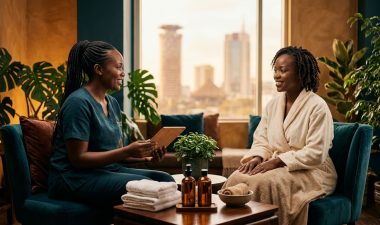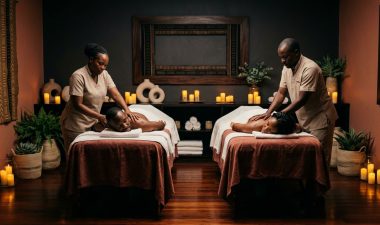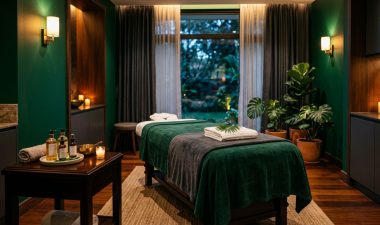
Kilimani moves fast, with traffic, long work days, and a big gym culture that can leave your body tight and your mind tired. When you need real relief, a massage in Kilimani can help you relax, manage soreness, and keep your privacy.
This guide breaks down the main massage types you’ll find in the area, what prices usually look like, and how to choose a provider that fits your needs. You’ll also get simple safety and hygiene checks to look for, plus practical booking tips so the whole process feels easy and stress-free.
What “massage in Kilimani” can mean, and how to choose the right style
In Kilimani, the word “massage” can mean very different things depending on the place and the provider. Some sessions focus on quiet relaxation in a spa, while others are more clinical and aimed at tight muscles or workout recovery. Because of that, you’ll get better results when you decide your goal first, then match it to the right technique.
Before you book, think of massage like choosing shoes. A soft, cushioned pair works for a long day, while a firmer pair supports a run. The “best” massage style is the one that fits your body today, your pressure comfort, and any health limits you have.
Popular massage types you’ll see in Kilimani, and what each one is good for
Most menus in Kilimani include a familiar set of options. The names can vary, but the feel is usually consistent. Here’s what each style is best for, plus a few quick cautions.
- Swedish (relaxation) massage: Light to medium pressure with long, flowing strokes. It’s ideal for stress, poor sleep, and general tension. Avoid heavy pressure if you’re sore from illness, have sunburn, or feel extra sensitive that day.
- Deep tissue massage: Slow, firm work that targets deeper muscle layers, often around the neck, back, and hips. It helps stubborn knots and desk-related tightness. Skip it (or keep it very light) if you bruise easily, use blood thinners, have a bleeding disorder, or have inflamed varicose veins.
- Sports massage: Focused work for gym-goers and runners, usually on legs, shoulders, and lower back. It’s great for recovery, range of motion, and pre-event loosening. Avoid aggressive techniques on fresh injuries, swelling, or sharp pain that hasn’t been checked.
- Aromatherapy massage: Swedish-style touch with essential oils added for mood and relaxation. It can feel calming when you’re anxious or mentally tired. If you have asthma, allergies, migraines, or sensitive skin, ask for unscented oil and a patch test.
- Hot stone massage: Warm stones add heat to loosen muscles fast, so it suits people who feel “stiff and cold.” Don’t choose it if you’re heat sensitive, have reduced sensation (neuropathy), uncontrolled high blood pressure, or any skin inflammation.
- Foot reflexology: Pressure on feet (and sometimes hands) for relaxation and foot fatigue. It’s popular if you stand all day or wear tight shoes. Avoid if you have foot infections, open cuts, or severe diabetic nerve issues unless a clinician says it’s fine.
- Chair massage: Short, clothed sessions that target neck, shoulders, arms, and upper back. It’s perfect if you’re on a tight schedule or don’t want oils. Skip it if certain seated positions trigger dizziness, vertigo, or recent neck strain.
A good therapist won’t “push through” pain. The right pressure feels like helpful intensity, not a fight between you and the table.
Whatever you choose, be clear early about pressure, areas to avoid, any allergies, and your boundaries. Clear communication prevents awkward moments and helps you get the results you came for.
A quick self-check before you book: your goal, pressure level, and any health concerns
A fast self-check saves money and avoids mismatched sessions. It also helps you explain what you want in one or two sentences, which makes booking smoother.
Start with your main goal:
- If you want calm and sleep, pick Swedish or aromatherapy with light to medium pressure.
- If you want less soreness or better movement, consider deep tissue (if appropriate) or sports massage.
- If your feet feel heavy, foot reflexology can be enough without a full-body session.
Next, get honest about pressure. Some people say “strong” when they really mean “effective.” A simple way to think about it is:
- Light: soothing, little discomfort.
- Medium: clear pressure, still relaxing.
- Firm: intense in tight spots, but you can breathe normally and stay relaxed.
Then check for health concerns that should change the plan or require a quick call first:
- Injuries: sprains, swelling, sharp pain, numbness, or tingling need caution. Ask for gentle work around the area, not on it.
- Pregnancy: choose a therapist trained in prenatal massage, and ask about positioning and pressure.
- Recent surgery: avoid massage near the site until your doctor clears you.
- Skin issues: rashes, infections, acne flare-ups, or open cuts mean you should avoid oils and direct contact on those areas.
- Blood pressure or heart concerns: heat, very deep work, and long sessions may not be a good fit. Mention any meds too.
- Comfort and privacy: decide if you want a spa setting (more amenities, more staff around) or a private session (more discreet, but you must vet carefully).
Before you pay, ask a few direct questions: What style do you recommend for my goal? How do you handle pressure changes? What are your hygiene steps? Can I set areas to avoid? Clear answers build trust, and they also signal a professional service.
What to expect in Kilimani: pricing, session lengths, and the overall vibe
Kilimani has a mix of polished spas, quiet studios, and convenient mobile therapists. The vibe depends on where you book, but the area usually feels modern and busy, with sessions built around office hours, gym routines, and evening plans.
You’ll also notice that “massage in Kilimani” covers a wide range of service levels. Some places feel like a hotel lounge with reception and fluffy towels, while others are simple, private rooms in apartment blocks. Knowing the typical timing and pricing helps you book with fewer surprises.
Typical session lengths and price ranges, plus what can make the cost go up
Most providers in Kilimani price by time, then adjust based on style, setting, and extras. Think of these figures as estimates in KES that vary by therapist, location, and day.
Here’s what you’ll commonly see for in-studio or spa sessions:
| Session length | Typical price range (estimate) | What it’s best for |
|---|---|---|
| 30 minutes | KES 2,000 to 4,000 | Quick neck, back, or foot reset |
| 60 minutes | KES 3,500 to 7,000 | Full-body basic session |
| 90 minutes | KES 6,000 to 12,000 | Deep work, slow pace, more focus areas |
Prices tend to go up when any of these show up on the booking:
- Experience and demand: Senior therapists, strong reviews, peak hours (after work and weekends).
- Location and overheads: Hotel spas and high-end spaces often cost more.
- Premium rooms: Couples rooms, extra privacy, better showers, quieter spaces.
- Add-ons: Aromatherapy oils, hot towels, hot stones, scrubs, or extra focus time.
- Outcall transport: Home service usually adds a travel fee, especially at night, in heavy traffic, or when parking is hard.
Before you start, confirm the full bill in one line: session time + add-ons + travel (if any). Also ask about payment early. Many places accept cash and mobile money (M-Pesa), but some prefer one method. If you’re tipping, Nairobi norms vary, yet KES 200 to 500 (or around 5% to 10%) is a common thank you for good service, and it’s always optional.
A clean quote beats a cheap quote. If the total cost feels unclear, pause and re-confirm before you undress.
For first-timers, arrive 5 to 10 minutes early, especially in buildings with gates and guards. That buffer keeps you relaxed instead of rushed.
Spa, studio, or outcall, which setting fits your needs in Kilimani?
Kilimani gives you choices, and each setting has a different feel. Picking the right one matters as much as the massage style, because comfort affects how your body lets go.
Spas (including hotels and salon spas) feel the most structured. You usually get reception, a waiting area, and clearer hygiene routines. On the other hand, they can feel less private, plus parking and traffic around popular spots can add stress. If you like a predictable experience, spas are often the safest bet.
Studios (often in apartments or dedicated rooms) sit in the middle. They can be quieter and more private than a busy spa, and some therapists keep the space simple and calm. Still, you’ll want to think about practical details like building access, security at the gate, and whether the room feels professional. If music from nearby units is loud, it can break the mood, so ask about noise if you’re sensitive to it.
Outcall (mobile massage to your home or hotel) wins on convenience. You skip traffic, stay in your own space, and shower after with zero rush. The trade-off is that you must plan the basics: a quiet room, clear directions, and building entry rules. Some apartments also restrict visitors, so confirm gate passes and parking early.
A few quick filters help you decide fast:
- If you want facilities and a front desk, choose a spa.
- If you want privacy without strangers around, a studio can work well.
- If you want maximum comfort and zero travel, book outcall.
If you’re trying a new place and you’re unsure, choose daylight hours and avoid rushing into late-night bookings. Also share your location only after you’ve confirmed the therapist, the price, and the exact address or arrival plan.
How to pick a safe, clean, and professional massage provider in Kilimani
A good massage should leave you relaxed, not worried. In Kilimani, you’ll find everything from polished spas to private studios and outcall therapists, so a quick screening process helps you book with confidence. The goal is simple: clear info, clear boundaries, and clean practices.
Use this quick flow before you confirm anything:
- Verify the location and setting: Ask for the building name or a clear landmark, plus how entry works (gate, reception, or direct room access).
- Check reputation if available: Look for consistent reviews, clear photos of the space (not just models), and recent activity.
- Confirm the service details: Ask what style they recommend for your goal, what pressure range they do, and what areas they won’t work on.
- Ask about sanitation: Linens, hand washing, surface cleaning, and whether they have fresh oils for each client.
- Agree on pricing upfront: Get the total in writing (time, add-ons, travel, and payment method) before you leave home.
If a provider can’t answer basic questions calmly, that’s already an answer.
Green flags that show a provider is serious about hygiene and client comfort
Cleanliness shows up in small habits, and those habits are hard to fake. For example, a professional will explain their process without getting defensive, because they expect clients to care about hygiene.
Look for signs like these when you chat or arrive:
- Fresh linens per client: They change sheets and face covers in front of you, or you can see a clean set ready. If you’re unsure, ask, “Do you change towels and sheets after every client?”
- Hand washing first: They wash hands before the session and after, or use sanitizer as a backup, not a substitute.
- Fresh oils and clean tools: Bottles look clean, oil doesn’t smell stale, and anything reusable (like hot stones) gets cleaned between clients.
- Sanitized surfaces: The massage table, headrest, door handles, and any counters look wiped down. You can ask, “What do you use to sanitize the table?”
- Clear communication: They ask about pressure, injuries, allergies, and areas to avoid. They also explain draping, so you know what stays covered.
- Punctual, calm setup: The room feels orderly, music is low, and the lighting is comfortable. Even a simple space can feel professional.
- Shower and towel clarity: If shower access matters to you, confirm it early. Some studios have it, some don’t, and both are fine as long as they’re honest.
Privacy is part of professionalism too. A serious provider keeps your details quiet, avoids gossip, and doesn’t push you to share personal info you didn’t offer.
Red flags to watch for before you confirm a booking
Most bad experiences start with vague details. If the basics feel slippery now, they rarely improve once you arrive. Pay attention to how they handle simple questions, because that’s where respect shows up.
Be cautious if you notice any of the following:
- Vague or shifting pricing: They won’t state a total, or they keep adding “small extras” without explaining. Always confirm the full amount before you travel.
- Refusing to share a general location: It’s normal to protect privacy, but you should still get a neighborhood, nearby landmark, and safe entry plan.
- Pressure to pay extra after arrival: If they change the deal at the door, pause the session. You’re allowed to leave.
- Poor communication: Long gaps, rude replies, or refusing to answer hygiene questions usually means future issues.
- Unsafe meeting spots: Avoid dim parking lots, random side streets, or last-minute location changes that isolate you.
- Ignoring boundaries: If you say “no,” that should be the end of it. A professional checks consent, adjusts pressure, and respects areas you don’t want touched.
Trust your gut. If something feels off, stop, leave, and choose another provider. Your comfort comes first.
Booking tips that make your Kilimani massage smooth from start to finish
A good massage starts before anyone touches your shoulders. When you book clearly, you avoid price surprises, awkward back-and-forth, and last-minute stress at the gate. The goal is simple: confirm the who, what, where, when, and total cost, then show up (or host) prepared.
Before you message, take two minutes to set yourself up:
- Eat light 1 to 2 hours before, heavy meals can make you feel nauseous on the table.
- Hydrate (but don’t chug right before), you don’t want bathroom breaks mid-session.
- Shower if you can, you’ll relax faster and feel more comfortable.
- If it’s an outcall, clear a quiet space, have a towel ready, and share gate instructions early.
The booking chat is part of the service. If the replies feel vague, the session often will too.
What to ask when booking, a simple message template you can copy
Keep your booking message short, but complete. You’re not writing a story, you’re confirming details like a receipt. Most pros in Kilimani appreciate a direct note because it helps them plan time, transport, and the right oil or setup.
Here’s a copy-and-send template you can adjust:
Hi, I’d like to book a massage on [Day, Date] at [Time]. I’m in [Kilimani area/landmark, e.g., near Yaya/Adams/Kindaruma].
Session: [60/90] minutes. Type: [Swedish/deep tissue/sports/etc.]. Pressure: [light/medium/firm].
Please confirm the total price (including any travel/add-ons) and the payment method (M-Pesa/cash).
Health notes: [e.g., lower-back tightness, shoulder pain, allergies, pregnancy, recent injury, areas to avoid].
Also, what’s your exact location/arrival plan (parking, gate, reception)?
To make the day easy, confirm these final points once they reply:
- Start time and late policy: Ask how they handle delays, especially after-work traffic.
- What’s included: Oil, hot towel, shower access (if it matters to you).
- Professional boundaries: You can say, “I prefer a professional therapeutic session only.”
Bring (or have ready) only what helps:
- Cash or charged phone for M-Pesa.
- Water for after.
- Loose clothes for the walk home.
- If you’re hosting, have a clean sheet or large towel available, plus a pillow if your neck is sensitive.
Finally, be respectful with cancellations. If plans change, message as early as you can. Same-day changes cost therapists time and fuel, especially for outcalls. A simple “Can we reschedule?” sent early keeps things friendly.
Aftercare basics so you feel better the next day, not worse
Most people feel great right after a massage, then notice a different feeling later. That’s normal. Your body just had pressure, stretching, and increased blood flow, so it can react like it does after a new workout.
Common, normal effects in the next 24 hours include:
- Sleepiness or deep calm, especially after Swedish or aromatherapy.
- Mild soreness in tight areas, more common after deep tissue or sports work.
- More bathroom trips, because you drank water and your body is settling.
What helps the most is simple aftercare. Think of it like letting soup cool before you eat, give your body time to settle instead of shocking it.
Start with these basics:
- Drink water over the next few hours. Sip steadily, don’t force it.
- Take a warm shower if you can. Warmth keeps muscles relaxed, and it helps you rinse off oil.
- Eat a normal meal with some protein and salt. You don’t need a “cleanse,” you need steady energy.
- Do light stretching later in the day. Keep it gentle, no bouncing.
- Avoid heavy workouts for 12 to 24 hours after deep tissue. A hard leg day right after firm work can leave you extra sore.
Also, don’t chase pain thinking it means the massage “worked.” Helpful pressure feels intense but controlled. If you feel sore the next day, treat it like post-gym soreness: warm shower, easy walking, and rest.
Contact a medical professional if you get any red-flag symptoms, especially if they don’t ease quickly:
- Sharp or worsening pain, not the dull ache of sore muscle
- Dizziness, fainting, or nausea that persists
- Numbness, tingling, or weakness
- Severe bruising or swelling, especially if you bruise easily or take blood thinners
If something feels off, message the therapist too. A good one will explain what’s normal, and they’ll adjust next time (pressure, focus areas, session length). Your best results come from treating massage like a routine, not a one-time rescue.
Conclusion
A good massage in Kilimani gets easy when you follow a simple path. First, choose your goal and the style that matches it, then set your budget and pick the setting (spa, studio, or outcall) that fits your comfort. Next, screen for hygiene and professionalism, confirm the total price, and state your boundaries before you arrive.
After that, you can relax and let the session do its job, then support the results with basic aftercare like water, a warm shower, and a lighter day if you went deep. If you’re ready to book, choose a provider who communicates clearly, answers your questions calmly, and makes safety and comfort feel non-negotiable.