
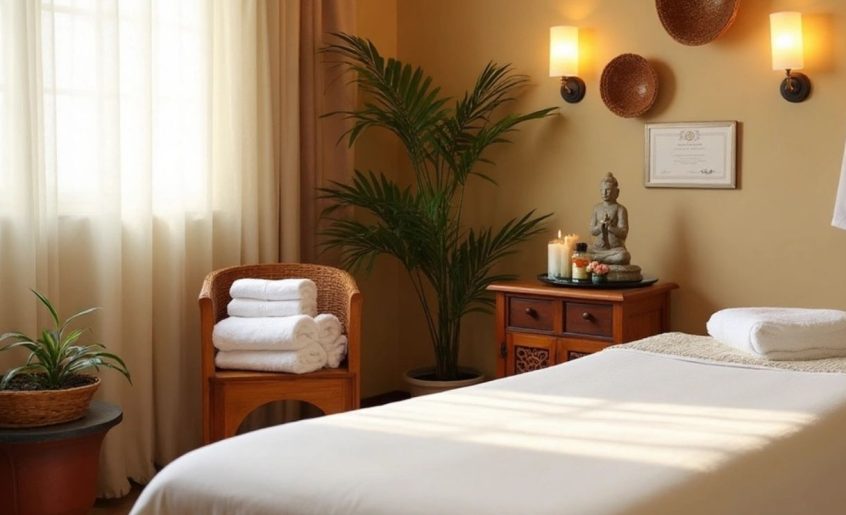
A hot stone massage in Nairobi can feel like a deep exhale for your whole body. Smooth, heated stones rest on key spots and glide over tight muscles, so warmth sinks in before the therapist even adds pressure. As a result, many people notice less stiffness, slower breathing, and that heavy, calm feeling you get after a good stretch.
In this guide, you’ll learn what hot stone massage is, what it feels like minute to minute, and what benefits to expect (and what not to expect). We’ll also cover who it tends to help most, including people with sore backs, tight shoulders, stress, or trouble switching off at night. Besides comfort, the goal is simple, relax the muscles so the hands can work without forcing it.
Is this right for you? If you like warmth, gentle to medium pressure, and you carry tension in your neck, shoulders, or lower back, it often fits. On the other hand, if you don’t enjoy heat, you’re very sensitive to touch, or you have certain health concerns, you may need a different style or a quick check-in with a clinician first.
Safety matters just as much as comfort, especially when heat is involved. You’ll learn how to choose a clean, professional provider in Nairobi, what to ask before booking, and the red flags to watch for during a session. Most importantly, heat and pressure can always be adjusted, so speak up right away if the stones feel too hot, the pressure feels sharp, or anything seems off.
What a hot stone massage is, and what makes it different
A hot stone massage is a hands-on massage where a therapist uses smooth, heated stones along with massage strokes. The warmth is not a gimmick. It changes how your body responds, because heat helps tissues warm up faster, which can make tight areas feel more pliable.
In a standard massage, your muscles often need a few minutes of pressure before they start to let go. With hot stones, that “softening” can happen sooner, so the session can feel calmer even when the therapist works deeper. People often book a hot stone massage in Nairobi for relaxation, stress relief, and that heavy, quiet feeling you get after a long stretch.
The best hot stone session feels like steady warmth sinking in, never like sharp heat or burning.
How the stones are heated and used during the session
Most therapists use basalt stones, a dark volcanic rock that holds heat well and feels smooth on the skin. You might also see marble stones in some spas (usually for cooling work), but classic hot stone work is typically basalt because it stays warm longer.
A professional setup matters here. Therapists usually heat the stones in a temperature-controlled water bath or a dedicated stone warmer. This keeps heat steady and helps avoid hot spots. In contrast, shortcuts like microwaves or kettles can heat unevenly, which raises burn risk. A good therapist treats heat like any other tool, they control it, test it, and adjust it.
During the session, stones can be used in a few ways:
- Placed on key areas: Common spots include the back, shoulders, palms, abdomen (only if you’re comfortable), calves, and sometimes between the toes. Placement is meant to warm tissues while you rest.
- Used as a glide tool: The therapist may hold a stone and use it for long strokes over oiled skin, similar to Swedish massage, but with added heat.
- Paused for focused warmth: On stubborn tension points, the therapist may hold a stone still for a short time, then follow with hands.
You should feel comfortably warm, like a heated blanket on a cool evening. It should never feel painful, pinching, or “too hot to tolerate.” A careful therapist checks the stone temperature often, especially after re-heating stones, and they should ask for feedback early in the session.
If you’re unsure, say it clearly: “Please cool the stones a bit,” or “Use hands only on my lower back.” You’re not being difficult, you’re helping them get it right.
Hot stone vs deep tissue vs Swedish, which one fits your needs
These three styles can overlap, but they feel different for a reason. The biggest differences are pressure, pace, and what each massage focuses on.
Here’s a quick side-by-side to make the choice easier:
| Style | Typical pressure | Main focus | Who tends to like it |
|---|---|---|---|
| Hot stone | Light to firm (heat makes firm work feel easier) | Relaxation, warming tight muscles, calming the nervous system | People who carry stress in shoulders, neck, and lower back, and enjoy warmth |
| Swedish | Light to medium | Relaxation, circulation, general muscle ease | First-timers, people who want a gentle reset without intense soreness after |
| Deep tissue | Medium to very firm | Targeted knots, stubborn tightness, restricted areas | People who want focused work on problem spots and can handle slow, strong pressure |
Swedish massage uses classic strokes like long glides and gentle kneading. It often feels soothing and rhythmic. If you want to switch your brain off and leave feeling lighter, Swedish is a safe bet.
Deep tissue moves slower and goes more direct. The therapist may sink into layers of muscle and fascia, and you might feel “good pain” at times. It’s useful when you want targeted knot work, but it can leave you tender if the pressure is too strong.
Hot stone massage sits between relaxation and deeper work. It can be gentle, but it doesn’t have to be. Heat often helps muscles soften sooner, so the therapist may reach a satisfying depth with less force. In other words, it can feel deep without feeling like a battle.
If you want firm work but hate the “bracing” feeling, hot stones can make the session feel smoother.
What it feels like, step by step (so there are no surprises)
A good appointment has a steady flow, so you always know what’s happening next. Even if it’s your first time, nothing should feel confusing or rushed.
- Quick intake and preferences
The therapist should ask about tight areas, injuries, heat sensitivity, and the pressure you like. They may also ask if you prefer quiet, soft music, or minimal talking. This is also your moment to mention anything important, like “My shoulders get tense,” or “Please avoid my calves.” - Getting comfortable and draping
You’ll get privacy to undress to your comfort level and lie on the table under a sheet or towel. Proper draping matters, only the area being worked on should be exposed. - First touch with hands (usually)
Many therapists start with hands to assess tension and spread oil. Oils often have a light scent, like lavender or eucalyptus, although unscented options should be available if you’re sensitive. The room is usually quiet, with soft music and dim lighting. - Stone placement begins
Warm stones may rest on your back, shoulders, or along the spine (not on bone). Some therapists place stones in your palms or under the legs to help you relax fast. You should feel warmth spreading slowly, not a sudden sting. - Massage flow with stones and hands
The therapist alternates between hands and stones. For example, they might use stones for long strokes on the back, then use thumbs or forearms for knots near the shoulder blade. If they reheat stones, they should test them before returning to your skin. - Check-ins and adjustments
Expect questions like, “Is the heat okay?” and “How’s the pressure?” You can request changes anytime, less heat, more heat, lighter pressure, deeper focus on the lower back, or skipping an area completely. - Aftercare time
At the end, you’ll get a minute to breathe and sit up slowly. Many people feel sleepy or “floaty.” Drink water, take your time standing, and avoid rushing straight into heavy exercise.
The overall feeling is often described as melting or loosening, like tension sliding off in layers. If anything feels sharp, too hot, or uncomfortable in a bad way, speak up right away.
Realistic benefits, and what it cannot do
Hot stone massage can feel amazing, but it helps to be clear about what it can realistically deliver. Think of it as a strong comfort tool for tight muscles and stress, not a medical treatment.
Realistic, evidence-informed benefits many people report include:
- Deep relaxation because warmth can calm the body’s stress response and slow your breathing.
- Temporary relief from muscle tension in common trouble spots like the neck, shoulders, and lower back.
- Less perceived stiffness because heat warms tissues and makes movement feel easier afterward.
- Better sleep for some people, especially when stress or tension is the main reason they struggle to switch off.
- Reduced stress and mental fatigue, since a quiet hour with steady touch can help you reset.
At the same time, it has limits. A hot stone massage cannot:
- Cure chronic conditions or replace medical care.
- “Detox” your body in any special way.
- Fix posture, old injuries, or long-term pain in one session.
- Treat nerve pain or symptoms like numbness without proper assessment.
If you have persistent pain, pain that shoots down an arm or leg, or unexplained weakness, it’s smarter to get medical advice first. Massage can still be part of your routine, but you want the right plan.
How fast you might feel results (and why consistency matters)
Many people feel calmer right away, often within the first 10 minutes. Muscle ease can also be immediate, especially if your tension is stress-related. For deeper, stubborn tightness, the best results usually come from repeat sessions, good hydration, stretching, and better daily movement.
A simple way to think about it is this: one hot stone session can feel like wiping steam off a mirror, you see clearer fast. Still, if the bathroom keeps filling with steam (daily stress, long sitting, poor sleep), you’ll need ongoing care to keep that clarity.
Safety first, who should avoid hot stones, and when to ask a doctor
Hot stone massage should feel like steady, comforting warmth. Because heat changes blood flow, skin response, and how deep pressure feels, it also changes the risk profile. Most people do fine with a well-trained therapist and sensible heat, but some bodies need a cooler approach, or a quick medical OK first.
If you’re booking a hot stone massage in Nairobi, use this section as your safety filter. A safer session often comes down to three things: the right client, the right heat, and a therapist who listens fast.
Common reasons to skip hot stone massage or choose a cooler option
Heat is powerful, and that’s the point. Still, certain conditions make heat more likely to irritate skin, worsen swelling, or hide warning signals (like pain you should feel). In these cases, it’s usually smarter to choose Swedish massage, a hands-only relaxation session, or a lower-heat stone massage where stones feel warm, not hot.
Here are common reasons to avoid hot stones, or to request a cooler plan:
- Pregnancy (especially high-risk): Heat can feel overwhelming, and some positions are not ideal later in pregnancy. If you’re pregnant, ask your clinician first, then book a prenatal-trained therapist. Many people choose a gentle Swedish session instead.
- Recent surgery or fresh scars: Healing tissue can react badly to heat and pressure. Wait until your surgeon clears massage, and avoid the surgical area even then.
- Open wounds, cuts, or burns: Stones and oil don’t mix with broken skin. You also don’t want to trap heat over an area that needs air and clean healing.
- Skin infections or rashes (including fungal issues): Heat can worsen irritation, and there’s a real hygiene concern. Rebook after treatment clears it.
- Severe varicose veins: Deep pressure and heat over bulging veins can irritate them. Ask for hands-only work, and avoid direct pressure on the veins.
- Uncontrolled high blood pressure: Heat can change circulation and make you feel lightheaded. Get your BP under control first, and tell the therapist your numbers.
- Diabetes with reduced sensation: If you can’t feel heat clearly, you can’t protect yourself from burns. A cooler massage, and careful pressure choices, are safer.
- Neuropathy (numbness, tingling, reduced feeling): Similar issue, your skin may not “warn” you in time. Choose warm, not hot, or skip stones.
- History of blood clots (DVT) or clotting disorders: Deep work and heat can be risky if there’s an active or recent clot. Always ask a doctor if you have a clot history.
- Heat sensitivity (including some meds or conditions): If hot showers make you dizzy or flushed, stones may do the same. Ask for low heat, shorter placement, or hands only.
If you’re thinking, “I’m not sure if this applies to me,” treat that as a reason to ask before you book. A quick message to your doctor, or a call to the provider, can prevent a bad session.
When should you ask a doctor first? Do it if you have unexplained swelling, new numbness, recent clot symptoms, chest pain history, or pregnancy complications. Massage is supportive care, not a substitute for diagnosis.
How to spot good hygiene, training, and consent practices
A good hot stone session starts before the first stone touches you. Professional standards are visible, and you don’t need to be an expert to spot them. Think of it like eating at a clean restaurant, you can tell when the basics are respected.
Look for these good signs right away:
- Clean linens for every client: Fresh sheet, clean face cradle cover, and a towel that doesn’t smell musty.
- Hand hygiene: The therapist washes hands before starting, and re-sanitizes after leaving the room.
- Clean stones and a clean heating setup: Stones should look smooth and wiped down, not oily and dusty. Heating should be in a proper warmer or controlled bath, not a random DIY method.
- Fresh water and surface cleaning: You may see sanitizer wipes, a covered container for clean stones, and a separate place for used stones.
- Clear draping: Only the area being worked on is exposed. The rest stays covered without you needing to ask.
- Consent-first touch: They explain what they’ll do, then ask before working sensitive zones (glutes, inner thigh area, abdomen, chest). They also offer options, like “We can skip that area.”
- Transparent pricing and time: The cost, session length, add-ons, and what’s included should be clear before you start.
Now for the red flags that should make you pause, or leave:
- They refuse to adjust heat or act annoyed when you speak up.
- They ignore pain feedback and keep going after you say it hurts.
- You see dirty equipment, stained linens, or reused towels.
- The therapist blurs boundaries, rushes consent, or makes you feel pressured.
- Pricing feels vague, or costs change mid-session without clear agreement.
If you’re browsing listings and reviews, look for patterns: “clean place,” “asked about heat,” “checked in often,” and “professional draping” are green flags. Complaints about burns, rude behavior, or ignored feedback should carry weight.
Pressure, heat, and communication, how to speak up during the massage
Your job during a hot stone massage is simple: report what your body feels, early and clearly. A good therapist wants feedback because it keeps you safe and helps them target the right depth.
Here’s the key rule: productive pressure feels intense but clear, like a strong stretch you can breathe through. Bad pain feels sharp, electric, or makes you hold your breath. Heat should feel like a warm compress. It should never feel like burning, stinging, or numbness.
Use short, direct scripts. You don’t need to explain or justify.
Try any of these in the moment:
- “Please lower the heat.”
- “That stone feels too hot on my skin.”
- “That spot is too intense, please use lighter pressure.”
- “Can you use hands only on that area?”
- “Can we avoid my lower back today?”
- “Please don’t hold the stone there, it’s getting uncomfortable.”
Also, ask for a change before it becomes a problem. If a stone feels fine at first but starts to feel “too much,” say so. Heat builds, especially when a stone rests in one place.
A professional will respond with something like, “Thanks for telling me,” then adjust immediately. They might swap stones, add a towel layer, reduce pressure, or move to hands-only work. If they argue, dismiss you, or keep pushing, that’s not toughness, it’s poor practice.
You don’t get extra benefits by “enduring” heat. Comfort and safety create better results than grit.
If you have reduced sensation (from diabetes or neuropathy), speak up before the session starts. Ask them to keep stones warm, not hot, and to avoid long stone placement. That one request can prevent a burn.
Aftercare that helps the benefits last longer
A hot stone massage can leave you deeply relaxed, sometimes a bit sleepy. Aftercare keeps that calm feeling around longer, and it also helps you spot problems early. Think of it like letting a cup of tea cool slightly before you drink, slow down and you enjoy it more.
Start with the basics:
- Hydrate: Drink water after your session, especially if you feel lightheaded. You don’t need to chug, just sip steadily.
- Move gently: A short walk helps your body settle. Later, do light stretching for tight areas (neck, shoulders, hips).
- Time your shower well: If you love a hot shower, wait a bit. A very hot shower right after heat therapy can make dizziness more likely. Choose warm water instead, and keep it short.
- Skip heavy workouts if you’re very sore: Light movement is fine, but intense lifting or sprinting can feel rough if muscles are tender.
- Expect mild soreness sometimes: A little tenderness can happen, especially if you had tight knots. It should feel like post-stretch soreness, not sharp pain.
Now the part people ignore: know the warning signs. Contact the provider and seek medical help if needed if you notice:
- Burns, blistering, or skin that looks raw: Cool the area with cool (not icy) water and don’t apply harsh creams. Get medical advice if blistering appears or pain increases.
- Dizziness, faintness, or nausea that doesn’t pass: Sit or lie down, sip water, and avoid driving until you feel steady. If symptoms are severe or persistent, seek care.
- New numbness, tingling, or weakness after the session: That’s not a normal after-effect, and it needs assessment.
- Sudden swelling, warmth, or pain in a calf: This can be a clot warning sign. Seek urgent medical care.
Before you book your next session, use this quick checklist to keep things simple:
- Health check: No open wounds, skin infection, recent surgery, or clot concerns.
- Sensation check: You can feel heat normally (no numb patches).
- Provider check: Clean linens, clean stones, clear draping, and easy heat adjustments.
- Comfort plan: You know what to say if heat or pressure feels wrong.
- Aftercare plan: Water, gentle movement, and no rushing into intense exercise.
Handled well, hot stone massage is soothing, not risky. The safest sessions come from good screening, clear consent, and you speaking up the moment something feels off.
How to book the right hot stone massage in Nairobi without wasting money
A hot stone massage can feel incredible, but only when the session matches what your body needs. In Nairobi, prices and service quality can vary a lot, even within the same neighborhood. That’s why the best way to avoid wasting money is to get clear on three things before you book: the style you want, what’s included, and how the provider handles heat, hygiene, and boundaries.
Think of it like ordering food you can’t taste until it arrives. A few smart questions up front save you from paying for the wrong “dish”.
Pick the style you want, full-body relaxation or targeted tension work
Start with your goal, because hot stones can be used in different ways. Some sessions focus on whole-body calm, with slow strokes and steady warmth. Others feel more like problem-solving, where the therapist spends extra time on knots (often shoulders, neck, and lower back) and uses stones to soften the area first.
Before you message anyone, do a quick body scan. Where do you feel tight right now, and what kind of pressure helps?
- If you feel wide, general stress (poor sleep, heavy mind, tense jaw), full-body relaxation usually fits best.
- If you feel one or two stubborn zones (a locked-up shoulder, a tight lower back), targeted work makes more sense.
- If deep pressure makes you tense up, ask for medium pressure with more heat, because warmth can help without forcing it.
Time matters too. A 60-minute session can work, but it moves fast once you include settling in and check-ins. Meanwhile, 90 minutes gives the therapist room to warm tissue properly, then work deeper without rushing.
Also decide how you want the stones used. Some people love stones throughout the session. Others prefer stones only on problem areas, then hands for everything else. Both options are normal, but you should choose, not guess.
Here’s a simple “choose your session” guide to make it practical:
- Choose 60 minutes if you want a lighter reset, you’re short on time, or you’re trying hot stones for the first time. Ask for stones mainly on the back and shoulders.
- Choose 90 minutes if you want full-body work plus focused tension release. This is often the best value if you carry stress in multiple areas.
- Choose full-body stones if you want maximum warmth and a slow pace. It tends to feel soothing and sleepy.
- Choose targeted stones if you want stones only where you’re tight (for example, upper back), then hands-only elsewhere for better control.
If you’re unsure, send a clear one-liner: “I want 90 minutes, medium pressure, focus on shoulders and lower back, stones mainly on those areas.” A good provider will confirm and refine it.
A good booking feels specific. If you can’t describe what you want in two sentences, you’re more likely to overpay and under-enjoy.
Questions to ask before you confirm an appointment
The fastest way to spot a serious hot stone provider is how they answer basic questions. You’re not being difficult. You’re checking if they run a safe, organized service. Clear answers also reduce surprise charges, rushed sessions, and awkward moments.
Ask a short set of questions, then watch for direct, calm replies:
- How do you control stone temperature? (Look for a warmer or water bath, plus regular testing and easy adjustments.)
- How long is the hands-on time? (Confirm if “60 minutes” means full treatment time, not time including changing and payment.)
- Which areas are included? (Back, neck, shoulders, legs, arms, feet, scalp. Ask about abdomen and glutes only if you want them included.)
- What’s your draping and privacy setup? (You want proper covering, private changing, and only the area being worked on exposed.)
- How much hot stone experience do you have? (You’re listening for comfort and confidence, not vague hype.)
- What’s your hygiene routine? (Fresh linens per client, clean stones, cleaned surfaces, and hand washing.)
- What is the total price, and what counts as an extra? (Confirm add-ons like aromatherapy, longer time, travel, parking, and late-night fees.)
- What is your cancellation and late policy? (This protects both sides, and it prevents last-minute pressure.)
- If I have a medical condition, what do you need to know? (A professional will ask about blood pressure, diabetes, skin issues, recent surgery, pregnancy, or reduced sensation.)
Keep your questions short, and avoid long back-and-forth chats. A provider who can’t answer basics often can’t manage details during the session either.
If you have a health concern, be upfront without oversharing. For example: “I have high blood pressure that’s controlled, and I prefer mild heat.” Then ask if they can work with that. If they dismiss it, choose someone else.
One more money-saving move: confirm what “hot stone” means in their service. Some places charge a premium but only place a couple stones briefly. Others use stones for gliding and placement throughout. Neither is wrong, but you should pay for what you actually want.
Using Nairobi Massage to compare providers and stay safer
If you use an adult-oriented directory like Nairobi Massage, treat it like a comparison tool, not a shortcut. The goal is to reduce guesswork by checking details across multiple listings, then choosing the provider who communicates clearly and respects boundaries.
Start with the listing itself. Good profiles usually make the basics easy to understand: location area, session types, duration, and what’s included. Vague wording, missing prices, or unclear location details can signal last-minute changes later.
When you compare options, focus on signals that relate to safety and quality:
- Clear service descriptions: You want straight language about hot stone massage, session length, and what areas they cover.
- Location clarity: Choose providers who state a general neighborhood or safe meeting setup. If the location feels hidden or constantly changing, pause.
- Communication style: Notice whether they answer questions directly, especially about heat, draping, and session timing.
- Boundaries and consent: Providers who state rules and preferences often run smoother sessions. Respect goes both ways.
Because it’s adult-oriented, use it responsibly. Keep your personal info limited at first. Share only what’s needed to book, like your preferred time, general area, and session type. Avoid sending ID photos, home details, or workplace info in early messages.
Meeting in a safe location matters. If you’re going to a venue, choose one that feels controlled and professional. If someone suggests a setting that makes you uneasy, listen to that feeling. Similarly, if you’re inviting someone to you, think about your own safety plan first (who knows where you are, how you’ll end the appointment, and whether the building has security).
Trust your instincts during the chat stage. If the provider gets aggressive about payment, refuses normal questions, or pushes you into a rushed decision, walk away. Nairobi has many options, so you don’t need to force a booking that feels off.
Etiquette, boundaries, and making the session comfortable for both sides
The best hot stone massage in Nairobi happens when both sides feel respected. Etiquette is not about being stiff or formal. It’s about reducing stress, avoiding misunderstandings, and keeping the session focused on comfort.
First, show up on time. If you arrive late, you often lose hands-on time. In addition, rushing can make you tense before the first stone even touches your back. If you’re running behind, send a quick message and accept whatever policy they have.
Cleanliness is also part of respect. Shower if you can, or at least freshen up. Hot stones and oil sit close to the skin, so basic hygiene helps the session feel good for both of you.
Next, be clear about what you want, and keep it simple. A few details are enough:
- Where you feel tension (for example, “upper back and neck”).
- Pressure preference (light, medium, firm).
- Heat preference (warm, medium hot, or very gentle heat).
- Areas to avoid (for example, “no abdomen” or “avoid my calves”).
Consent should stay active the whole time. A professional therapist checks in on heat and pressure. You can also speak up anytime without apology. Use short phrases that are easy to act on, like “less heat”, “more pressure”, or “hands only here”.
If you want quiet, say so early. If you like a little conversation, that’s fine too. Clear preferences prevent awkward guessing.
Tipping is optional, and norms vary. If you’re happy with the service, a small tip can be a kind gesture, but it should never feel forced. Instead of stressing about a “correct” amount, decide based on your budget and the effort you felt. A simple thank you and a repeat booking also matter.
Finally, know how to end a session if you feel uncomfortable. You don’t need a long explanation. You can say, “Please stop, I’d like to end the session now.” Then get dressed and leave. If you’re in a venue, ask staff for help if needed. If it’s a private setting, prioritize getting to a safe space before debating anything.
You’re allowed to stop a massage at any time. Comfort and consent are not negotiable, even if you already paid.
When you handle etiquette and boundaries well, you get a better massage and fewer surprises. You also protect your money, because you’re paying for a session that matches your needs, not a vague promise.
Conclusion
Hot stone massage tends to suit people who carry tension in the neck, shoulders, and lower back, especially if stress shows up as tight muscles and restless sleep. It also works well if you like gentle to medium pressure but still want a deeper release, because heat helps muscles soften sooner. On the other hand, if you dislike heat, feel faint in hot showers, or need very firm knot work, a hands-only Swedish or deep tissue session may fit better.
Safety stays simple when you focus on the basics. Heat should feel comfortably warm, never sharp, stinging, or numbing. Skip hot stones if you have open wounds, skin infections, recent surgery, clot concerns, reduced sensation (such as neuropathy), or uncontrolled blood pressure, then check with a clinician first. Just as important, choose a provider who treats consent and hygiene as non-negotiable, with clean linens, clean stones, clear draping, and easy adjustments.
The easiest next step is to book with a clear plan. First, pick your pressure and heat level (light, medium, or firm, plus warm, low-heat, or stones on targeted areas only). Next, ask key questions before you confirm: how they control stone temperature, what the hands-on time is, what areas are included, and how they handle boundaries and draping. Finally, book with the person who answers directly and communicates like a professional, because comfort depends on teamwork, not guesswork.
After you get on the table, keep it honest and simple. Listen to your body, speak up early, and ask for less heat or hands-only the moment anything feels off.