
Hot Oil Massage Guide, Benefits, Safety, and What to Expect
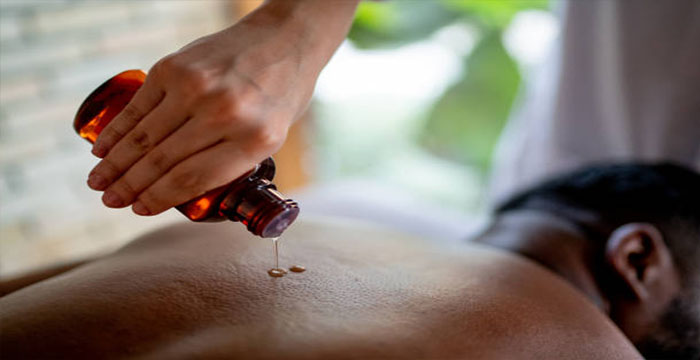
A hot oil massage is exactly what it sounds like, warm oil paired with slow, flowing massage strokes that help your body loosen up and your mind slow down. The heat feels comforting, while the glide of the oil makes each move feel smoother and more continuous. For many people, that simple mix is the point, it’s a calm, cozy experience that’s easy to sink into.
People look for hot oil massage when they want deep relaxation without anything complicated. It can feel grounding after a long week, especially if you hold tension in your shoulders, back, hips, or legs. Besides the soothing touch, the oil can leave skin feeling soft and hydrated, which is a nice bonus if you prefer that silky finish over a dry massage. Still, the best sessions come from clear communication and choosing a provider who takes hygiene and comfort seriously.
This style can be a good fit if you enjoy steady pressure, slow pacing, and lots of contact, rather than quick techniques. It’s also popular for first-timers because the warmth and glide can make the whole experience feel less intense and more reassuring. On the other hand, if you dislike oily products, strong scents, or heat, you’ll want to customize the setup or pick a different option.
In this guide, you’ll get a clear picture of what happens from start to finish. We’ll cover the main benefits people report, the safety basics (temperature, allergies, and boundaries), how to prepare before your appointment, what to expect during a session, and simple aftercare so you stay comfortable once it’s over.
What makes a hot oil massage different from a regular massage?
A regular massage can be done with lotion, cream, oil, or sometimes no product at all. A hot oil massage is more specific: it blends comfortable warmth, generous glide, and usually a slower rhythm that stays consistent for longer stretches. The result often feels less “workout for your muscles” and more “melt into the table.”
That difference shows up in small, sensory ways. Warm oil spreads quickly, so the therapist can keep continuous contact. Long strokes can link your shoulders, back, hips, and legs into one flowing sequence, instead of feeling like separate zones. Because the skin stays slick, the pressure can feel deeper without the same sharp friction you might notice in a dry or light-lotion massage.
The big shift is how it feels, not what it claims to fix: warmth plus glide often makes pressure easier to receive, especially when you want calm more than intensity.
How warm oil changes the feel of pressure and relaxation
Heat and touch work together in a simple way: warmth encourages your body to soften, while oil helps hands move without tugging. When your muscles feel guarded, even a normal massage can feel “pokey” or intense. With warm oil, the first few minutes often feel like a gentle landing. Your skin warms up, your breathing slows, and the therapist can build pressure without rushing.
Oil also changes the physics of the massage. Less drag means the therapist doesn’t need to “push” as hard to travel across the body. That’s why long strokes in a hot oil session can feel smoother and more continuous, like a slow wave moving from one area to the next. In contrast, a dry massage or a small amount of lotion may create more grip, which can feel useful for targeted work but less soothing for people who want to switch off.
Another difference is pacing. Hot oil sessions often stay unhurried because the oil remains workable for longer. That can support relaxation because your nervous system gets fewer abrupt changes. You might notice:
- More full-body strokes instead of short, choppy moves.
- Steadier pressure that ramps up gradually.
- More surface warmth that makes the room feel cozier.
Still, heat is not magic, and it doesn’t erase every ache. If you have a tender spot, warmth can make it easier to approach, but you should still speak up. A good therapist adjusts pressure, pace, and how much time they spend on sensitive areas. If anything feels sharp or too intense, say so early, it’s easier to adjust before your body tenses up again.
Common oils used, and how to choose one for your skin
Most providers keep a few oils on hand because skin reacts differently to each one. Some oils feel rich and cushiony, while others feel light and clean. The “best” choice depends on your skin, your scent preference, and how you plan to get home after.
Here are common options you’ll see in hot oil massage:
- Coconut oil: Smooth and popular, often feels rich. It can be scented or lightly sweet on its own. Some people find it too heavy for face or acne-prone areas.
- Olive oil: Very slippery and heavy. It can feel nourishing for dry skin, but it may feel thick and can leave a stronger smell.
- Sweet almond oil: A classic massage oil with a nice glide and medium weight. Avoid it if you have a nut allergy.
- Grapeseed oil: Lighter feel and absorbs a bit faster. Many people with oilier or acne-prone skin prefer it.
- Sesame oil: Common in Ayurvedic-inspired sessions, with a warmer, earthier feel. It has a distinct scent that not everyone loves.
- Jojoba oil: Technically a wax ester, but it feels like a light oil. It’s often well-tolerated and less greasy.
- Shea blends (shea mixed with lighter oils): Thicker and more buttery. Great for very dry skin, but it can feel heavy and may stain fabrics.
A simple way to decide is to start with your skin type and sensitivity:
- If your skin runs dry, choose a heavier oil (olive, coconut, shea blends).
- If you’re acne-prone or dislike residue, pick a lighter oil (grapeseed, jojoba).
- If you’re sensitive or get headaches from smells, go fragrance-free.
- If you have nut allergies, avoid almond and confirm the blend ingredients.
Two practical details matter more than people expect: scent and staining. Strong fragrance can distract you or irritate sensitive skin. Also, oil can transfer to clothes, car seats, and bedding. If you’re heading back to work or riding in a taxi, ask for a lighter application, plan for a shower, or wear darker clothing you don’t mind washing right away.
How warm is warm? Safe temperature basics that matter
In a proper hot oil massage, the oil should feel comfortably warm, never “hot.” Think soothing bathwater, not a hot drink. You should be able to relax into it, not brace against it. The warmth is there to comfort your skin and support a calm pace, not to test your pain tolerance.
Most trained therapists check temperature in a few ways before oil touches you. They may warm the bottle in a water bath or warmer, then test the oil on their inner wrist or forearm first. Many also apply a small amount to your back or shoulder and pause for a second, watching your reaction. That short check protects you because everyone’s heat tolerance is different.
Overheating becomes risky fast. Hot oil can irritate skin, trigger redness, or in the worst case cause a mild burn, especially on thinner skin. Heat can also feel different if you have reduced sensation, sunburn, or certain health conditions. If you’re not sure, ask the therapist to start cooler and warm up slowly.
Watch for clear red flags during the first minute of oil contact:
- Burning or stinging, even if it fades slightly
- Sudden redness that spreads or looks patchy
- Numbness or tingling (heat should not “go dead”)
- You feel lightheaded, sweaty, or overheated in the room
A safe hot oil massage never relies on “pushing through.” If it feels too hot, say it right away and ask for cooler oil.
If something feels off, you don’t need a long explanation. A simple “cooler, please” is enough. Good providers prefer quick feedback because it keeps the session comfortable and avoids skin irritation that can linger after you leave.
Styles you may see: Ayurvedic inspired, spa relaxation, and sensual focused sessions
Not every hot oil massage follows the same script. Many providers group into a few style “buckets,” and the differences affect pacing, focus areas, and what the session feels like overall. Knowing the style before you book helps your expectations match what you’ll actually get.
Ayurvedic-inspired hot oil massage often uses sesame-based oils and a steady, rhythmic pace. The strokes may feel repetitive in a good way, like a metronome that helps you settle. Some sessions include more scalp work or attention to joints, with a focus on grounding and full-body flow rather than deep spot work.
Spa relaxation hot oil massage is what many people picture first. It usually features long, smooth strokes, moderate pressure, and a calm environment. The therapist may spend extra time on common tension zones like shoulders, lower back, and calves. You’ll often see optional add-ons like aromatherapy (if you want scent) or a warm towel finish to remove excess oil.
Sensual-focused hot oil sessions are sometimes advertised in adult-oriented spaces, and they can vary widely. The main differences are usually slower pace, more continuous contact, and a stronger emphasis on mood and comfort. Even so, the basics still matter: clear boundaries, consent, and direct communication. If a provider offers this style, confirm what’s included and what’s not, before the appointment starts.
To avoid awkward surprises, clarify a few points when booking:
- The style of hot oil massage they provide (Ayurvedic-inspired, spa relaxation, or another approach).
- Whether they use unscented oil if you request it.
- How they handle temperature checks and comfort feedback.
- Your boundaries and any areas you want avoided.
When you and the provider agree on the style upfront, the session feels simpler. You can relax because you’re not guessing what happens next, and the therapist can focus on giving you the experience you actually came for.
Benefits people look for, plus who should be careful
A hot oil massage is popular for a simple reason, it feels good in a very direct way. Warmth, slow touch, and a slippery glide can help your body stop bracing and your mind stop racing. Still, benefits are personal. What feels amazing for one person can feel too heavy, too warm, or too oily for someone else.
Below are the most common reasons people book a hot oil massage, plus the situations where you should slow down, ask questions, or skip it.
The feel-good benefits: stress relief, better sleep vibe, and a calmer body
Many people find a hot oil massage helps them shift into a calmer gear faster than a regular massage. The warmth can feel like a heated blanket on your skin, while the long strokes give your brain something steady to follow. As a result, your breathing often slows down without you trying.
After a relaxing session, people commonly report:
- They feel lighter and less tense, especially in the shoulders and jaw.
- Their body feels warm and settled for a few hours.
- They feel sleepy in a good way, like their nervous system finally got the message to rest.
That “better sleep vibe” shows up in different ways. Some people fall asleep that night faster. Others wake up less during the night because they feel more comfortable. It’s not a guarantee, but the combination of warmth and consistent touch can help you feel safe enough to switch off.
The calm can also be emotional. If you’ve had a stressful week, a hot oil massage can feel like someone turning the volume down. Even small details matter here, like dim lighting, a quiet room, and a therapist who doesn’t rush. When everything moves slowly, your body often follows.
If your goal is pure relaxation, ask for lighter pressure, slower pacing, and minimal talking. Small requests can change the whole session.
To support that calm after you leave, keep your next hour simple if you can. Drink water, eat something light, and avoid cramming errands into the same window. A hot oil massage works best when you give the relaxed feeling a little space to last.
Muscle comfort and stiffness: what it can and cannot do
Warm oil and slow pressure can make tight areas feel easier to live in. Many people notice their neck turns a bit more freely, or their back feels less “stuck” when they stand up. That usually comes from a few practical things happening at once: your skin warms up, your muscles stop guarding as much, and the therapist can work without tugging on the surface.
A hot oil massage often feels helpful for:
- Desk stiffness (upper back, shoulders, forearms)
- Heavy legs after lots of walking or standing
- General tightness that builds up from stress
The key word is comfort. Massage can help you feel looser and more mobile, especially when the therapist uses steady pressure and gives tissues time to soften. In other words, it can help you feel like your body moves with less resistance, like a door hinge that’s been squeaking all week.
However, there are clear limits. A massage, even a great one, doesn’t replace medical care. It also doesn’t “fix” injuries on its own. If you go in expecting a cure, you’ll likely feel disappointed, and you might ignore signs that need real attention.
Pay attention to red flags. Stop and get checked by a clinician if you have:
- Sharp or stabbing pain, during or after
- New swelling, bruising, or heat around a joint
- Numbness, tingling, or shooting pain down an arm or leg
- Weakness that makes you drop things or trip
- Pain after a fall, car accident, or sports injury
Even during a normal session, you should never feel like you must “push through.” Good massage pressure feels intense but controlled, like firm kneading. Bad pressure feels like your body wants to pull away.
If you’re dealing with ongoing stiffness, a useful approach is to treat hot oil massage as part of a bigger comfort plan. Gentle movement, basic stretching, strength work, and good sleep tend to stack together. Massage can be the soothing piece, not the whole solution.
Skin and hair perks, and the downside of breakouts or irritation
Hot oil massage has a very obvious perk, your skin often feels soft right away. The oil acts like a cushion, so the therapist’s hands glide instead of dragging. That can feel smoother, more comfortable, and less scratchy than a dry massage, especially if you have dry skin.
Many people also like the “after” feeling. Skin can look a bit more hydrated and feel less tight. If the therapist includes scalp work (and you want it), light oiling can make the scalp feel less dry, and hair can feel shinier once you wash it out.
That said, oil is not neutral for everyone. Some people break out easily, especially on the back, chest, and shoulders. Others get itchy or red from fragrance, essential oils, or certain plant oils. And if the oil is heavy, it can trap sweat and heat, which sometimes leads to bumps.
Common downsides to watch for:
- Pore clogging (back acne or tiny bumps)
- Irritation from fragrance or essential oils
- Rashes if your skin reacts to a specific ingredient
- Greasy hair if scalp oiling is too heavy for you
The good news is you can lower the risk with a few simple choices. First, ask for fragrance-free oil if you’re sensitive. Scents can feel nice, but they’re also a common trigger. Next, choose a lighter oil if you’re acne-prone. Many people prefer grapeseed or jojoba for that reason, because they tend to feel less heavy on the skin.
A patch test also helps, especially if you’ve reacted before. You can ask the therapist to apply a small amount on your inner arm and wait a few minutes. It’s a small step, but it can save you from a two-day itch.
Shower timing matters too. If you’re prone to breakouts, consider rinsing off within a reasonable time after the massage. On the other hand, if your skin is very dry, you might wait a bit and then take a lukewarm shower later, so you keep some softness without sitting in oil all day.
One more practical tip, protect your clothes and bedding. Bring a clean shirt to change into, or wear dark, washable fabrics. Oil transfer is common, and it’s easier to plan for it than to fight stains later.
Who should avoid hot oil massage or ask a doctor first
Hot oil massage is usually safe for many people, but heat, pressure, and oils add extra variables. If any part of your health is unstable, it’s smart to pause and check first. When in doubt, ask your clinician and tell your therapist what’s going on. Clear info helps them adjust or recommend you skip the session.
Be extra careful, or avoid hot oil massage, if any of these apply:
- Pregnancy, especially the first trimester (ask your clinician first, and book with someone trained in prenatal massage)
- Fever or feeling unwell (your body needs rest, not heat and stimulation)
- Infection (including contagious skin issues, or any illness with active symptoms)
- Open cuts, fresh wounds, or broken skin, because oil and rubbing can irritate and increase risk of infection
- Sunburn, because heat and friction can make it worse
- Recent surgery, including areas with healing scars (get medical guidance on timing and safe pressure)
- Blood clot risk or a history of clots (don’t massage painful, swollen areas, get medical advice first)
- Uncontrolled high blood pressure (heat can be uncomfortable, and it’s better to stabilize first)
- Diabetes-related neuropathy (reduced sensation can make heat too risky, because you may not feel “too hot” soon enough)
- Varicose veins in the area, especially if they’re tender (ask for gentle work around, not on, the veins)
- Skin conditions that flare with heat (for example, heat-triggered rashes or severe redness)
- Allergy history, especially nut allergies or past reactions to oils, scents, or essential oils
Some caution signs are easy to miss because they feel “normal” in the moment. If you feel dizzy, overheated, or suddenly nauseated during the session, say so right away. Ask the therapist to cool the oil, lower the room heat, or stop. Your comfort is the safety signal.
If you’re not sure it’s a good idea, keep it simple: ask your clinician and tell your therapist. The best sessions happen when nobody is guessing.
Finally, remember that you can customize. You can request cooler oil, lighter pressure, no scalp oil, and no fragrance. You can also ask the therapist to avoid certain areas entirely. Those small choices often make the difference between a session that “sounds nice” and one that actually feels safe and relaxing.
How to book the right session and feel confident before you arrive
A hot oil massage should feel relaxing, not confusing. Most “bad” experiences come from small surprises, like a strong scent, oil that feels too hot, or unclear rules about what’s included. The fix is simple: ask the right questions, confirm boundaries, and show up prepared.
Think of booking like ordering food when you have allergies. You don’t wait until the plate arrives to mention it. A quick message upfront protects your comfort, your skin, and your wallet. It also signals that you respect the therapist’s time and process, which usually leads to better service.
Your best tool is clear communication. You can ask for changes, or stop, at any point. A professional provider expects this.
Questions to ask when booking so there are no surprises
Before you confirm, get the details in writing (WhatsApp, SMS, or DM). Clear questions keep everything simple, especially with a hot oil massage where heat, scent, and residue matter.
Here’s a short checklist you can use when booking:
- Oil type and ingredients: Ask what oil they use (and if it’s a blend). Mention allergies (especially nut allergies) right away.
- Fragrance-free option: Confirm if they can use unscented oil and skip essential oils.
- Temperature control: Ask how they warm the oil and whether they can start cooler.
- Session length and price: Confirm exact minutes, total cost, and what’s included. Also ask about add-ons and any extra charges (for example, shower use).
- Areas included: Clarify what body areas are covered and what areas are not offered. If you want scalp, feet, or glutes included, say so.
- Draping and privacy: Ask how they drape (towel or sheet), what stays covered, and how they handle privacy during changing.
- Shower availability: Check if there’s a shower before or after, and whether you should bring your own towel.
- What to bring: Ask if you should bring underwear, a change of clothes, or cash, and whether card or mobile money is accepted.
It also helps to confirm basic hygiene expectations without sounding rude. You’re not judging, you’re planning. Ask about fresh linens, clean towels, and whether the therapist washes hands before starting.
If you’re booking through a directory listing, keep your message direct and polite. Don’t write a long story. Use one request per sentence.
Copy and send message #1 (simple and practical)
Hi, I’d like to book a hot oil massage. What oil do you use, and do you have a fragrance-free option? Also, how do you control oil temperature (I prefer warm, not hot). What’s the total price for 60 minutes?
Copy and send message #2 (boundaries and areas)
Hi, I’m booking a hot oil massage and want to confirm what areas are included. Please also confirm your draping and privacy setup. I’d like medium pressure, and I want you to avoid (neck/lower back/etc.). Is that okay?
Copy and send message #3 (shower and logistics)
Hello, do you have a shower available after the session? If yes, do I need to bring my own towel or slippers? Also, what time should I arrive, and what payment methods do you accept?
Once they reply, read the message carefully. If anything feels vague (like “we’ll talk later”), ask one follow-up question. Clear details now prevent awkward talks later.
What to do before the massage for the best experience
A hot oil massage is easier to enjoy when you show up clean, comfortable, and not rushed. The oil and heat can magnify little issues, like a heavy meal or sensitive skin. A few small choices beforehand can make the whole session feel smoother.
First, shower shortly before your appointment if you can. You don’t need fancy products. Clean skin helps the oil glide evenly, and it feels more comfortable for both of you. If you shave, do it the day before. Fresh shaving plus warm oil can sting.
Next, eat light one to two hours before. A full stomach can make you feel sleepy in a bad way, or slightly nauseated once you lie face down. A small meal works well (fruit, yogurt, a sandwich, or rice and protein). Also, drink water, but don’t chug right before you arrive.
Alcohol is a common mistake. Avoid heavy drinking the night before and the day of your massage because it can:
- increase dizziness with heat
- make your skin more sensitive
- blur your comfort signals, so you speak up later than you should
Clothing matters too. Wear loose, easy-to-remove clothes and skip anything precious. Oil can transfer to waistbands, bras, and collars. In addition, remove jewelry before you leave home (chains, watches, rings). Metal can feel cold on warm skin, and you don’t want oil stuck in a clasp.
Try to arrive 10 to 15 minutes early. That buffer covers bathroom time, payment, and a quick consult. If you rush in, your body stays “on,” and it takes longer to relax.
If you have sensitive skin, keep the day simple. Don’t test a new body lotion, perfume, scrub, or tanning product beforehand. New products plus warm oil can trigger redness. When you arrive, tell the therapist you want fragrance-free oil and ask them to do a small test patch on your upper back or forearm.
Finally, think about your boundaries before you walk in. Decide what areas are okay, what areas are off-limits, and what pressure you want. When you know your own “yes” and “no,” it’s easier to communicate calmly.
What happens during a hot oil massage, step by step
Most hot oil massage sessions follow a steady rhythm. Knowing the usual flow helps you relax because you’re not guessing what’s next. While every therapist has their own style, a professional session should always include consent, comfort checks, and clear draping.
- Quick consult (1 to 5 minutes): You’ll talk about pressure, any pain or injuries, oil preference, and areas to avoid. Mention allergies and sensitive skin here, even if you already texted it.
- Privacy to undress and get on the table: The therapist steps out, or turns away, while you undress to your comfort level. You’ll lie under a towel or sheet.
- Oil warming and temperature check: The therapist warms the oil and then tests it first (often on their wrist). Next, they apply a small amount to your skin to confirm it feels comfortably warm.
- Long, flowing strokes to spread oil: They start with broad strokes (often back, shoulders, legs). The glide should feel smooth, not sticky.
- Focus on tight areas: After your body settles, they may spend extra time on common tension spots like shoulders, lower back, hips, and calves. Good work feels firm but controlled.
- Ongoing comfort checks: Expect quick check-ins about pressure, temperature, and room heat. Speak up early if something feels off.
- Finish and grounding: Many sessions end with lighter strokes, gentle compressions, or a slow pace to help you “land.” Then you’ll get a moment alone to sit up and dress.
Consent is not a one-time thing at the start. It’s continuous. You can ask for changes at any moment, without a long explanation. Simple phrases work best:
- “A bit less pressure, please.”
- “Can we keep the oil cooler?”
- “Please avoid that area.”
- “I’d like more time on my shoulders.”
- “Please stop for a moment.”
If the therapist offers something you didn’t request, you can decline. A clear “No thanks” is enough. Your comfort sets the rules, and a serious provider will respect that immediately.
Good sessions feel collaborative. You’re not “being difficult” by giving feedback, you’re steering the experience.
Aftercare: how to handle oily skin, soreness, and staying relaxed longer
After a hot oil massage, you’ll usually feel loose, warm, and a little floaty. The oil, however, can be messy, and mild soreness can show up later. A smart aftercare routine keeps the good feeling and avoids irritation.
Start with the oil on your skin. Some people love the soft, moisturized finish. Others want it off right away. Either choice is fine, as long as you do it gently.
- Towel off if you want to keep some moisture. Blot, don’t rub hard. Too much friction can irritate warmed skin.
- Shower if you feel greasy, you’re acne-prone, or you’re heading back to work. Use lukewarm water and mild soap. Skip harsh scrubs the same day.
Clothing helps more than you’d think. Put on loose, breathable clothes, ideally dark and easy to wash. Tight jeans or snug collars can trap oil and heat, which sometimes leads to bumps.
Hydration matters because massage plus warmth can leave you slightly dehydrated. Sip water over the next few hours. Add a light meal if you feel sleepy. Also, keep your evening calm if you can. A long, stressful errand run can wipe out the relaxed effect fast.
Some tenderness is normal, especially if you asked for medium to firm pressure or you had a very tight area. Mild soreness should feel like post-workout tenderness and fade within 24 to 48 hours. Gentle stretching can help, but keep it easy. Think slow neck turns, shoulder rolls, and light hip stretches, not deep pain-face stretching.
Pay attention to warning signs. Get medical advice if you have:
- Dizziness that doesn’t settle after resting and drinking water
- Rash, hives, or strong itching, which can signal an oil reaction
- Severe pain, new swelling, numbness, or sharp shooting pain
Oil transfer is the final “gotcha.” Your clothes, bedding, and car seat can soak it up. If you get stains, treat them early.
Laundry tips that work for most fabrics:
- Pre-treat with dish soap (a small amount rubbed into the stain helps break down oil).
- Wash warm if the fabric allows it, using normal detergent.
- Avoid heat drying until the stain is gone because heat can set oil marks.
If you want the calm to last longer, keep stimulation low for an hour or two. A quiet meal, a short walk, and an early night can make the massage feel like it’s still working well after you’ve left.
Hot oil massage at home, a simple safe routine for couples or self-care
A home hot oil massage can feel like turning your living room into a calm corner of a spa. It also gives you more control over scent, pressure, and pace. Still, the goal is comfort, not heat or intensity. If you keep the oil only warm, use simple strokes, and talk openly, you can get a relaxing session without the usual mistakes (burns, mess, or awkward moments).
This routine works whether you’re massaging a partner or doing self-care on arms, legs, feet, shoulders, or scalp. Think of it like making tea, the warmth is the nice part, but nobody wants boiling water on skin.
What you need, and how to warm oil without burning skin
You don’t need special gear to do a safe hot oil massage at home. You mainly need a clean setup, a mild oil, and a gentle way to warm it.
Start with a simple kit:
- A small bowl or cup for oil
- A larger bowl or pan for a warm water bath
- Two to three towels (one to lie on, one for draping, one for hands)
- Old sheets or a blanket you don’t mind washing
- A mild, unscented oil (grapeseed or jojoba feel lighter, olive or coconut feel heavier)
- An optional kitchen thermometer (helpful, but not required)
- A non-slip mat if you’ll step into the shower after
The safest way to warm oil is the warm water bath method. It heats slowly, which lowers the chance of “oops, that’s too hot.”
Here’s the routine that keeps it predictable:
- Put a small amount of oil in your small bowl (start with less, you can always add).
- Fill the larger bowl or pan with warm tap water, similar to bathwater.
- Set the oil bowl inside the warm water for 3 to 5 minutes.
- Stir the oil with clean fingers, then test the temperature.
Avoid microwaving oil. Microwaves heat unevenly, so the oil can feel cool on top and too hot underneath. Also skip heating oil directly on a stove, because it can jump in temperature fast.
Before oil touches anyone’s back or neck, do a quick skin test. Put one drop on your inner wrist (or inner forearm) and wait two seconds. It should feel pleasantly warm, not sharp, not “tingly hot.” If you use a thermometer, aim for “warm,” not “hot” (around body-friendly warmth, not cooking heat).
If you wouldn’t hold the oil comfortably on your inner wrist, don’t put it on someone’s spine, neck, or chest.
Finally, do a quick allergy check. If it’s a new oil, rub a tiny amount on the inside of the arm and wait a few minutes. If the skin starts itching or reddening, switch oils or go fragrance-free and simpler.
A 20 to 30 minute routine that feels great and stays comfortable
A good home session feels steady and unhurried, even if it’s short. You’ll get better results with simple strokes and repeatable patterns than with complicated techniques. Also, use less oil than you think at first. Too much makes it slippery in a stressful way.
Set the receiver up on a towel over an old sheet. If they’re face down, place a small towel under the ankles for comfort. Keep one towel nearby to wipe your hands, because grip matters when you reposition.
Use this easy flow. Keep pressure slow and steady, and stay off bony spots.
1) Shoulders and neck (4 to 6 minutes)
Start with palms on the upper back, then glide outward toward the shoulders. Knead the tops of the shoulders using gentle squeezes. For the neck, use light pressure only, and avoid pressing on the front or sides of the throat. Ask early, “Is this pressure ok?” If they tense up, go slower and lighter.
2) Back (6 to 8 minutes)
Spread warm oil with long strokes from mid-back outward. Work the muscles beside the spine, not directly on the spine itself. Try small circles with your palms on the shoulder blades, then return to long strokes. If you find a tight spot, don’t attack it. Stay near it, soften around it, and let the area relax.
3) Arms and hands (3 to 5 minutes)
Support the wrist with one hand and use the other to glide from elbow to shoulder. Avoid heavy pressure on the elbow joint. For hands, rub the palm with your thumb in slow circles, then gently pull each finger once.
4) Legs and feet (6 to 8 minutes)
Glide from ankle to knee, then knee to thigh, using whole-hand strokes. Stay cautious around the knee and shin, since they can feel sensitive. For feet, use thumbs on the arch with steady pressure, and keep it slow. Feet can be surprisingly intense, so check in again.
5) Optional scalp (2 to 4 minutes)
Only do this if the person wants it and doesn’t mind oily hair. Use a tiny amount of oil, then make small circles with fingertips. Avoid nails. If they plan to go out later, skip scalp oil and do a dry scalp massage instead.
As you go, watch for simple signals. Smooth breathing and loose shoulders mean you’re on track. Flinching or holding breath means back off.
Good pressure feels like “pleasantly strong.” Bad pressure feels like your body wants to pull away.
Consent and boundaries, even at home
Home massage can feel more personal, which is exactly why clear boundaries matter. Comfort comes faster when nobody has to guess what’s expected. A calm, respectful check-in at the start prevents awkward stops later.
Before you begin, agree on three basics:
- Areas included (for example, back, shoulders, legs, feet)
- Areas off-limits (private areas, chest, inner thighs, glutes, or anything else)
- A simple stop signal (one word like “pause” works well)
It also helps to decide the vibe. Is this a relaxation massage, or is it meant to be more sensual? Both can exist in adult relationships, but you should never blur the line without asking. Consent is not a mood. It’s an active yes.
Use short check-ins during the massage. They keep things smooth and normal:
- “Is the oil temperature ok?”
- “More pressure, or less?”
- “Do you want me to avoid that spot?”
If the person says stop, stop right away. No teasing, no bargaining, no “just one more minute.” A massage should never include pressure to do anything unwanted, sexual or otherwise. That’s true even in a relationship, and it’s also true if you’re doing self-care and notice pain. Your body gets the final say.
If you’re the one receiving, give direct feedback. You don’t need a long explanation. “Lighter,” “slower,” or “skip that area” is enough. Clear words protect the mood because they prevent resentment and discomfort.
Finally, respect privacy. If someone wants to keep underwear on, that’s normal. If they want more draping, do it. The goal is a relaxed nervous system, and people relax when they feel safe.
Clean-up made easy: surfaces, towels, and shower timing
Oil is soothing on skin, but it’s also sneaky on floors. The best clean-up plan starts before the first drop. Once you control the mess, you can stay relaxed instead of guarding your couch like it’s a crime scene.
First, protect surfaces. Lay down an old sheet, then place a towel on top where the body rests. That towel catches most of the oil, and it’s easier to wash than a fitted sheet. If you’re on a bed, tuck the sheet edges in so it doesn’t slide. If you’re on the floor, add a yoga mat under the sheet for grip and comfort.
Next, prevent slips:
- Put a non-slip mat near the shower or bathroom sink.
- Keep a “walking towel” on the floor where you’ll step.
- Wipe any oil drips right away, especially on tile.
Shower timing depends on skin type and plans. If you’re acne-prone, a quick rinse within an hour helps remove residue. If your skin is very dry, you might wait a bit, then rinse with lukewarm water and mild soap. Either way, avoid harsh scrubs right after, because warm skin can get irritated.
For hands, oil can linger and make everything slippery (phone screens, door handles, taps). Use one of these quick fixes:
- Wash with dish soap once, then follow with normal hand soap
- Rub a teaspoon of sugar with a little soap (a simple scrub), then rinse well
Laundry is easier when you act fast. Blot excess oil with a towel before tossing it into the hamper. If a sheet gets a heavy spot, pre-treat it with a small drop of dish soap before washing.
With a simple setup, clean-up becomes part of the routine, not the part that ruins it.
Conclusion
A hot oil massage stands out because the warmth and glide slow everything down, so your body can stop bracing and actually relax. When the oil feels comfortably warm (never hot), pressure lands smoother, and long strokes feel more connected from one area to the next. That’s why it often suits first-timers, or anyone who wants calm more than intense muscle work.
Oil choice matters as much as technique. If you break out easily, lighter options like grapeseed or jojoba can feel cleaner on the skin, while coconut, olive, or shea blends suit very dry skin. Keep scents simple, because fragrance and essential oils trigger irritation for some people. Most importantly, speak up early about temperature, pressure, and no-go areas, a professional therapist expects clear feedback and adjusts fast.
Heat and oil also mean a few people should slow down or skip the session. If you’re pregnant, have broken skin, a fever, recent surgery, neuropathy, clot risk, or a history of strong allergies, get medical advice first and tell the provider upfront. Safety feels boring until it saves you a rash, a burn, or a bad time.
Afterwards, treat the next hour like part of the session. Blot off extra oil, shower if you’re acne-prone, wear loose dark clothes, sip water, and keep plans light so the calm lasts. If you want the best results, make communication your default, whether you book a session with clear expectations or try the safe at-home routine with warm oil, towels, and simple consent rules.