
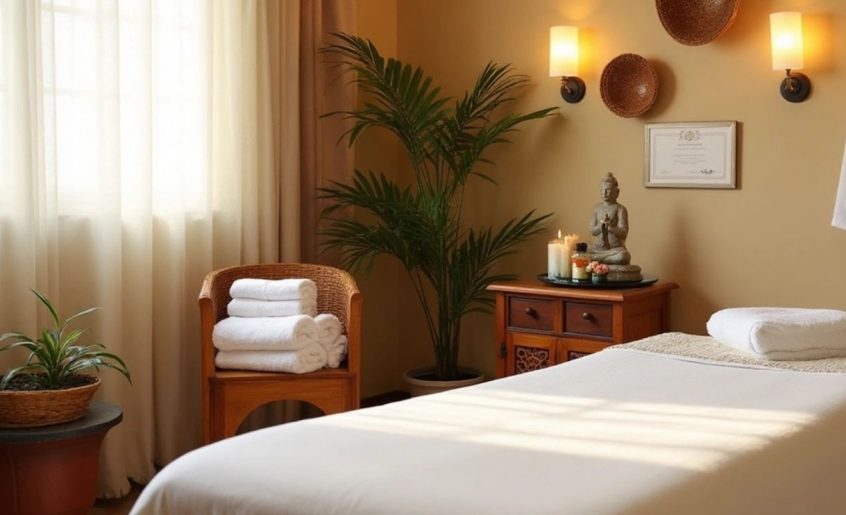
Nairobi Massage Guide: Benefits, Types, What to Expect, Safety
A good Nairobi massage can feel like hitting reset on a busy week. It can help you relax, ease muscle tightness, and support recovery after long days or hard workouts, but it isn’t magic. The real win is how you feel afterward: calmer, looser, and more comfortable in your body.
People book massages for simple reasons. Stress builds up, your neck and shoulders get stiff from screens, your lower back starts complaining, or your legs feel heavy after training. Sometimes you just want to sleep better and switch your mind off for an hour. Whatever brings you in, it helps to know what kind of session you’re booking and what “normal” should look like.
Just as important as technique is comfort and consent. You should feel safe, respected, and in control the whole time. That means clear boundaries, easy communication, and the ability to speak up if pressure feels too strong, a stretch doesn’t feel right, or you want an area avoided. If anything feels off, you can pause or end the session, no explanations needed.
This guide walks you through the basics so you can book with confidence. You’ll learn the most common massage types in Nairobi and what each one is best for, what to expect before and during a session (from timing to privacy), and how pricing and tipping usually work. You’ll also get practical safety tips for choosing a provider, plus simple aftercare so you don’t undo the benefits the moment you step back into traffic.
What happens in your body during a massage, from tight muscles to a calmer mind
A massage feels simple on the surface, hands moving over skin and muscle. Underneath, a lot is happening at once. Touch, pressure, and guided movement can shift your nervous system, change how your muscles “hold” tension, and even nudge your breathing into a slower rhythm.
It can help with everyday soreness, stiffness, and stress, especially when those issues come from long sitting, repetitive work, or training. Still, massage can’t promise big medical outcomes. It doesn’t cure disease, fix a slipped disc, or replace treatment for ongoing pain. Think of it as body maintenance, not a miracle.
A good session should feel like your body is letting go, not like it’s bracing for impact.
Relaxation mode: how massage can lower stress and help you switch off
When you’re stressed, your body often sits in fight or flight. That’s the “ready for trouble” setting. Your heart rate edges up, your jaw tightens, and your breathing gets shallow. Even if you’re safe, your nervous system can act like you’re stuck in traffic forever (because, in Nairobi, sometimes you are).
Massage helps push you toward rest and digest, your calmer setting. Slow pressure and steady touch send a clear signal: you’re safe right now. As a result, many people notice small changes that add up.
Common signs your system is calming down include:
- Slower breathing, with longer exhales
- Quieter thoughts, like the volume got turned down
- Sleepiness, or that floating feeling when you’re deeply relaxed
- Looser shoulders and hands, because you stop clenching without noticing
Breathing changes are a big clue. Once your ribs and belly soften, you can take fuller breaths without forcing it. That deeper rhythm also makes it easier to “switch off” mentally, especially if you spend most days thinking at high speed.
To get the most calm from your massage, set yourself up before and after:
- Arrive early (even 10 minutes helps), so you’re not rushing in tense.
- Turn off notifications or use airplane mode, because one buzz can pull you right back into stress mode.
- Drink water after, since relaxation plus heat and pressure can leave you feeling a bit dry or light.
If you can, plan a quieter hour afterward. When you go straight back into errands, your body often tightens again. A short walk, a warm shower, or a calm matatu ride with no scrolling can help the relaxed feeling last longer.
Muscles and movement: why pressure and stretching can ease knots and stiffness
Muscle tension is often your body’s way of protecting itself. When you sit for long hours, train hard, or carry stress in your neck, your muscles can stay slightly “on.” Over time, that can feel like stiffness, reduced range of motion, or dull aches that come and go.
People often call tight spots knots, but they’re usually areas where muscle fibers and surrounding tissue have become sensitive and guarded. Another common term is trigger points, which are small tender spots that can feel sore when pressed and sometimes send discomfort to nearby areas. For example, a tight point in your shoulder can make your neck feel heavy.
Pressure helps because it works in layers:
- Warmth and contact help your nervous system stop guarding the area.
- Gradual pressure encourages the tissue to soften, like slowly pressing into firm dough instead of poking it.
- Movement and stretching remind the muscle how to lengthen and glide again.
The key word is gradual. When pressure ramps up too fast, your body braces. That bracing can make the “knot” feel worse, not better. A skilled therapist builds pressure slowly, checks in, and adjusts based on your feedback.
Some discomfort can be normal, especially on very tight spots. People call it “good pain,” but it should still feel safe and controlled. You should be able to breathe through it. It should never feel sharp, scary, or like something is tearing.
A simple way to communicate is a 1 to 10 scale:
- 1 to 3: light pressure, relaxing, almost ticklish.
- 4 to 6: firm and effective, tender but manageable (often ideal for tight muscles).
- 7: strong, only okay in short bursts if you want deep work and you can stay relaxed.
- 8 to 10: too much for most people, your body will likely tense up.
Tell your therapist what number you want before they start, then update them during the session. Also mention if a spot causes numbness, tingling, or shooting pain, because that can change the approach. Good massage feels like release, not a test of toughness.
Soreness after a massage: what is normal, what is not
A common worry is, “Why do I feel sore after a massage?” Mild tenderness can be normal, especially after deep pressure or if you had very tight areas worked on. It often feels like the day after a workout. For most people, that soreness fades within 24 to 48 hours.
Several simple things can help you recover faster:
- Take a warm shower or use gentle heat to relax the area.
- Do light stretching or an easy walk, because stillness can make stiffness linger.
- Hydrate, since many people feel better when they drink water after bodywork.
- Keep training light for a day if you had deep work on major muscle groups.
That said, not all post-massage pain is “normal.” Your body should trend toward better, not worse. Watch for red flags, especially if symptoms feel intense or unusual.
Seek medical advice, or urgent care if severe, if you notice:
- Severe swelling or heat in an area
- Significant bruising, especially if it spreads or appears without explanation
- Dizziness, fainting, or nausea that doesn’t pass quickly
- Nerve-like pain, such as sharp shooting sensations, numbness, or persistent tingling
- Severe headache, chest pain, or shortness of breath (don’t wait on these)
Also trust your instincts about safety and comfort. If you felt pressured to tolerate pain, that’s not a good sign.
The goal is relief you can feel the next day, not a recovery period you have to push through.
To keep things practical, here’s a quick way to judge how your session is going, both during and after.
Signs a massage is helping:
- Your neck, shoulders, or hips feel lighter when you stand up.
- You move with less effort, like turning your head is easier.
- Your breathing is slower and deeper without trying.
- You sleep more smoothly, or you wake up less tense.
- Soreness (if any) feels mild, and it improves within a day or two.
Signs you should stop or speak up right away:
- Sharp pain or pain that makes you hold your breath.
- Numbness or tingling, especially if it lingers.
- You feel dizzy, faint, or sick during the session.
- The pressure feels out of control, or you feel unsafe for any reason.
When massage stays within your comfort zone and you communicate clearly, it usually leaves you calmer, looser, and more at home in your body. That’s the real benefit, and it’s something you can feel right away.
Choosing the right type of massage for your goal, your budget, and your comfort level
The “best” massage in Nairobi depends on three things: what you want to feel afterward, how much pressure you enjoy, and how much time and money you want to spend. A relaxing session can lower tension fast, while a focused session can help stubborn tight spots. Still, the wrong choice can leave you sore, overwhelmed, or wishing you booked something gentler.
Start by getting clear on your goal. Are you trying to sleep better, loosen a desk-job neck, or recover from training? Next, think about comfort. Some people love firm pressure, while others tighten up the moment it gets intense. Finally, choose a session length you can afford regularly, because consistency often matters more than one “perfect” appointment.
Before you book, ask a couple of quick questions by message or call: what style they recommend for your goal, how they handle pressure checks, and what draping and privacy look like. Whenever possible, choose licensed, well-reviewed providers with clear pricing and professional boundaries.
Swedish, deep tissue, sports, and trigger point: how they feel and who they suit
These four styles cover most needs, from pure relaxation to targeted muscle work. The main difference is pressure and intent. Swedish focuses on calming your body. Deep tissue and trigger point focus on tight layers and sensitive spots. Sports massage sits in the middle, and it changes based on your training.
Here’s a simple side-by-side comparison to help you pick faster:
| Type | How it feels | Typical pressure | Best for | Who should be careful |
|---|---|---|---|---|
| Swedish | Smooth, flowing strokes, calming, “melts” tension | Light to medium (2 to 5 out of 10) | Stress relief, sleep support, first-timers | People who want very deep work may feel it’s too gentle |
| Deep tissue | Slow, firm, focused on deeper layers | Medium to firm (5 to 7 out of 10) | Chronic tightness, stiff back/hips, desk-job tension | Anyone who bruises easily, has clot risk, or hates soreness |
| Sports | Mix of firm strokes, stretching, and targeted work | Medium to firm (4 to 7 out of 10) | Post-workout recovery, training support, range of motion | Acute injuries, inflamed areas, people who prefer purely relaxing touch |
| Trigger point | Direct pressure on tender “hot spots,” sometimes intense | Focused firm pressure (5 to 8 out of 10 in short bursts) | Referred pain patterns, stubborn knots, limited movement | People who tense up with pain, nerve-like symptoms, very sensitive clients |
Swedish massage feels like a reset button. The therapist uses long strokes, gentle kneading, and steady rhythm. Because the pressure stays moderate, your nervous system usually calms down quickly. It suits you if stress is your main problem, or if you’re new and want to build trust with touch.
Deep tissue massage moves slower and goes deeper, but it should still feel controlled. Expect sustained pressure, especially on the upper back, hips, and calves. When done well, it feels like a tight shoelace finally loosening, not like someone trying to “win” against your muscles. Plan for mild soreness if you haven’t had bodywork in a while.
Sports massage is practical and goal-based. A therapist may focus on quads, hamstrings, glutes, calves, shoulders, or whatever your sport demands. You might also get assisted stretching. Because the intent is function, it can feel less “spa-like” and more like body maintenance. Many athletes book it before an event (lighter work), or after (more recovery work).
Trigger point therapy targets specific tender points that can cause pain elsewhere. For example, a tight spot near the shoulder blade can make the neck feel heavy. The therapist applies direct pressure for short periods, then releases. It can feel intense, yet it shouldn’t feel sharp or scary. Good trigger point work includes lots of check-ins and breathing cues.
A mini decision guide can keep you from overthinking it:
- If you want stress relief and better sleep, start with Swedish (60 minutes is usually enough).
- If you want help with chronic tightness and you like firm pressure, start with deep tissue (tell them you want a 5 to 6 out of 10).
- If you train and want post-workout recovery, start with sports massage (ask for legs, hips, or shoulders based on your week).
- If you have one stubborn knot that keeps coming back, start with trigger point (ask for a short focused session, not full-body pain).
A useful rule is “relax first, then go deeper.” If your body can’t relax, deep work often backfires.
If budget is tight, don’t assume you need the fanciest option. A shorter Swedish session done regularly can beat an occasional intense session that leaves you sore for days.
Aromatherapy, hot stone, and reflexology: add-ons that can change the experience
Add-ons can shift the whole mood of a session. They can also add cost, so it helps to choose based on what you actually enjoy. Think of them like seasoning: a little can improve the meal, too much can ruin it.
Aromatherapy uses essential oils, usually mixed into a carrier oil or used in the room. Many people find the scent comforting, which can help them relax faster. Still, it’s not for everyone. Strong smells can trigger headaches, nausea, or asthma symptoms.
Aromatherapy may be a good fit if you:
- Want a calming, spa-like feel
- Enjoy scents and don’t react to perfumes
- Mainly booked for stress relief
Consider avoiding it if you have scent sensitivity, migraines triggered by smell, asthma, or skin that reacts easily. Also ask what oil they use, because some blends feel strong even in small amounts.
Hot stone massage uses smooth heated stones placed on the body or used to massage muscles. The warmth can feel deeply comforting, especially if you get cold easily or your muscles stay “guarded.” Heat can also make firm work feel gentler because the tissue warms up first.
Hot stones may help if you:
- Want warmth and comfort
- Feel stiff but don’t want heavy pressure
- Carry tension in the back and shoulders
Skip hot stones if you have reduced sensation, recent sunburn, inflamed skin, or any condition where heat can be risky. If you’re unsure, ask for a lower temperature or keep stones off sensitive areas.
Reflexology focuses on pressure points on the feet (and sometimes hands). The idea is simple: feet get a lot of nerve input, and focused touch can feel calming. Some people also like it because it’s less exposed than full-body massage, which can increase comfort for first-timers.
Reflexology can be a good choice if you:
- Want relaxation but prefer minimal undressing
- Stand all day and want foot relief
- Feel stressed and want something gentle
Avoid reflexology if you have contagious foot skin issues, open cuts, or severe foot pain that needs medical care. If you’re diabetic or have circulation issues, ask your doctor first and request lighter pressure.
A helpful way to decide on add-ons is to ask yourself what you want more of: comfort, warmth, or simplicity. Comfort points to aromatherapy, warmth points to hot stones, and simplicity often points to reflexology or a plain Swedish session.
How long should a session be, and how often should you go
Time changes everything. A 30-minute massage can help, but it’s usually a “spot treatment.” A 60-minute session allows deeper relaxation and better flow. A 90-minute session gives room for full-body work plus problem areas, without rushing.
30 minutes works best when you know exactly what you want worked on. Think neck and shoulders after a week of screen time, or calves after a long run. Because time is short, ask the therapist to skip “extras” and get straight to your main issue. It’s also the easiest option to fit into a busy Nairobi day.
60 minutes is the most balanced choice for most people. A therapist can cover the back, neck, shoulders, and either legs or arms, plus still leave time for slower work. If you want both relaxation and results, this is usually the sweet spot.
90 minutes makes sense when you want full-body plus targeted care. It’s also great if you like gentle pressure, because slow work needs time. Many people also prefer 90 minutes for deep tissue, since the therapist can warm tissue first instead of going hard too fast.
How often you go depends on your goal and your budget. A simple way to think about it is: relaxation needs maintenance, while chronic tightness needs a short “series” before it settles.
Here are three example plans you can adjust:
1) Stress relief and better sleep
- Start: 60 minutes every 2 weeks for 1 to 2 months.
- Maintain: 60 minutes once a month, or a 30-minute reset in stressful weeks.
- Best styles: Swedish, gentle aromatherapy (if you tolerate scent), or hot stone for comfort.
2) Desk-job neck and shoulder tension
- Start: 30 to 60 minutes weekly for 3 to 4 weeks, focused on neck, shoulders, upper back, and chest area (over clothing or draped).
- Maintain: 60 minutes every 2 to 4 weeks, depending on workload and posture habits.
- Best styles: Deep tissue (moderate), trigger point in short bursts, or a Swedish session with extra time on the upper back.
3) Athletes and active training
- Start: 60 minutes every 1 to 2 weeks during heavy training blocks.
- Event week: Keep it lighter, 30 to 45 minutes, avoid deep work right before a big race or match.
- Recovery: Book 60 to 90 minutes after hard weeks, then taper to monthly maintenance.
- Best styles: Sports massage, plus targeted trigger point work if a specific area stays tight.
If money is the limiter, choose shorter sessions more often. A focused 30 minutes every two weeks can beat a single long session every three months. Also, tell your therapist your budget upfront. A good professional will help you plan something realistic.
Before your first session with a new provider, it’s smart to set expectations in plain words:
- “I want relaxing pressure, around a 3 to 4 out of 10.”
- “Please focus on my neck and shoulders, and avoid my lower back.”
- “I’m training this week, so no heavy soreness please.”
Clear direction saves time, and it helps you get a session that matches what you paid for.
When massage is not a good idea (and when to check with a doctor first)
Massage is usually safe for many people, yet there are times when it’s a bad idea. When your body is fighting something, or when pressure could worsen a condition, it’s better to pause and get advice.
Skip massage for now if you have:
- Fever or flu-like symptoms, because your body needs rest.
- Contagious skin issues (for example, ringworm, scabies, or weeping rashes).
- Open cuts, burns, or severe sunburn on areas that would be worked on.
- Fresh injuries, like a new sprain, strain, or suspected fracture.
- Severe swelling, redness, or unexplained pain, especially in one leg.
Be extra cautious and check with a doctor first if you have:
- Blood clot risk or a history of clots, because deep pressure can be risky.
- Uncontrolled high blood pressure or recent heart concerns.
- You’re on blood thinners or you bruise very easily.
- Cancer treatment, recent surgery, or a serious medical condition where pressure and positioning matter.
Pregnancy also deserves special care. Many people benefit from gentle bodywork, but positioning and pressure need adjustment, especially after the first trimester. Only book with a therapist who offers pregnancy massage and understands safe side-lying support. When in doubt, check with your antenatal provider first.
If something feels off in your body, don’t “massage through it.” Pain and swelling sometimes need medical checks, not pressure.
Even when you’re healthy, protect your comfort and safety. Choose providers who explain draping, ask about injuries, and check pressure often. If they dismiss your feedback, push for pain, or ignore boundaries, end the session and leave. Your body should feel safer after, not on edge.
What to expect before, during, and after a massage, so you feel confident and in control
A great massage starts before anyone touches your shoulders. When you know what “professional” looks like, you can book calmly, speak up during the session, and leave feeling cared for instead of unsure. This section walks you through the full flow, from the first message to the next day, with simple scripts you can use without feeling awkward.
You don’t need to be an expert. You just need clear info, clear boundaries, and a therapist who respects both.
Before you book: questions to ask, pricing basics, and how to spot professionalism
Before you commit, treat booking like choosing a barber or a gym trainer. You’re paying for skill, hygiene, and time, so it’s normal to ask a few direct questions. A professional will answer clearly, without rushing you or getting defensive.
Start with a short message or call, then listen to how they respond. Clear, calm communication now usually means a smoother session later.
Here are practical questions that cover the essentials:
- Training and experience: “What training do you have, and how long have you been practicing?”
- Specialties: “Which styles do you focus on (Swedish, deep tissue, sports, trigger point)?”
- Session length: “Do you offer 60 or 90 minutes, and what do you recommend for tight neck and shoulders?”
- What’s included: “Is it full-body, or focused areas only, and does it include stretching?”
- Hygiene practices: “Do you use fresh linens for every client, and how do you sanitize the room and surfaces?”
- Draping and privacy: “How do you handle draping and changing, and do I have a private space?”
- Location details: “What’s the exact location (building name and area), and is there easy parking or safe pickup points?”
- Pricing and payment: “What’s the total price, and are there any extra charges for oils, hot stones, or travel?”
- Cancellation policy: “How much notice do you need for rescheduling, and is there a fee?”
Pricing basics matter because confusion creates pressure. Look for transparent pricing that matches the session length, the location, and any add-ons. If the price changes mid-chat, or if you can’t get a straight total, pause and choose someone else. The same goes for vague answers like “we’ll discuss later.” You’re not being difficult, you’re being careful.
Reviews can help, but read them with a sharp eye. A few real details usually signal a genuine review, for example punctuality, cleanliness, and how the therapist handled pressure. On the other hand, a wall of repeated praise with no specifics can be noise. If the platform allows it, check for consistent patterns over time rather than one perfect week.
Professionalism is often visible in small cues:
- They confirm time, duration, location, and price in one message.
- They ask about injuries, pregnancy, recent surgery, or medical limits before you arrive.
- They describe draping, not just technique.
- They don’t push you into a longer session or surprise add-ons.
If someone won’t answer basic questions before you pay, don’t expect them to respect boundaries during the session.
Avoiding scams and pressure tactics
In busy cities, pressure selling is common. Still, you don’t have to tolerate it. Watch for red flags like demands for a large upfront deposit from an unknown provider, refusal to share clear location info, or sudden “limited time” claims that force a rushed decision.
A few safety habits can keep things simple:
- Meet in reputable places where you can enter and exit safely.
- Share your plan with a trusted person (where, when, and when you’ll check in).
- Keep your phone charged and your own transport plan clear.
- Trust your gut if the chat feels manipulative or inconsistent.
If anyone uses guilt, fear, or pushy language to rush you, treat that as a sign to step away. Professional care never needs pressure.
During the session: communication, draping, and how to request changes without awkwardness
A massage should feel like a guided service, not a test. You stay in control the whole time, and communication is part of the job. Many people stay silent because they don’t want to seem “picky.” The truth is, small adjustments often create the best results.
Before hands-on work starts, you’ll usually do a quick intake. Expect questions about sore areas, past injuries, preferred pressure, and any areas you want avoided. If the therapist doesn’t ask, you can still state your needs in one sentence, for example: “I want a relaxing session, medium pressure, and please focus on neck and shoulders.”
Draping and privacy (what “normal” looks like)
A professional setup protects your privacy. You should get time to undress in private, then lie on the table under a sheet or towel. The therapist should only uncover the area they are working on, while the rest stays covered. If you ever want more coverage, you can ask. You don’t need a reason.
If the environment feels too exposed, speak up early. It’s much easier to fix in the first five minutes than to endure discomfort for an hour.
How to ask for changes without awkwardness
Changes are normal, especially in the first session with a new therapist. Think of it like adjusting the seat in a car. The goal is comfort and control, not toughness.
Try simple, direct phrases like these (pick the ones that sound like you):
- “Can you lighten the pressure a bit?”
- “That spot is tender, can you work around it for now?”
- “Please spend more time on my upper back and shoulder blades.”
- “Can we skip stretching today? I’d prefer only massage.”
- “Could you lower the music, or keep it quieter?”
- “I’d like more towel coverage, please.”
If you like numbers, use a quick pressure scale: “I want about a 5 out of 10.” Then update it as you go: “This feels like a 7, please bring it down.”
Also pay attention to your body’s “no” signals. Holding your breath, clenching your hands, or tensing your legs often means the pressure is too much. When you change it, your muscles soften and the work becomes more effective.
You can pause or end the session at any time
This matters, so it’s worth saying plainly. If something feels wrong, you can ask them to stop, sit up, and end the session. You don’t need to explain or debate it. A professional will respect that immediately.
If you feel unsure but not in danger, you can also request a reset: “Let’s pause for a moment, I need to adjust.” That short break can help you feel grounded again.
Aftercare that actually helps: water, movement, heat, and rest
Aftercare doesn’t need to be complicated. The best plan supports recovery and helps the benefits last into tomorrow. Some people feel floaty and relaxed, while others feel tender, especially after deep work. Both can be normal, as long as discomfort stays mild and improves.
Here’s a simple 24-hour routine that works for most people.
Helpful (do these first)
These steps give the biggest return for the least effort:
- Drink water regularly for the rest of the day. You don’t need to overdo it, just sip often, especially if it’s hot out or you had firm pressure.
- Move gently within a few hours, for example a 10 to 20-minute walk. Light movement keeps you from stiffening up.
- Use heat if you feel tight, such as a warm shower or a warm compress for 10 to 15 minutes. Heat often helps more than aggressive stretching.
- Keep training light if you had deep tissue on major muscles. A hard workout can stack soreness on top of soreness.
- Prioritize sleep that night. Your body does a lot of repair work while you rest.
Optional (nice, but not required)
These can help, but only if they feel good:
- Gentle stretching, held without forcing, especially chest, hip flexors, and calves.
- A simple magnesium-rich meal (foods like leafy greens, beans, nuts). Keep it normal, no need for supplements unless you already use them.
- A short breath reset before bed, such as slow exhales to relax your jaw and shoulders.
Skip anything that feels intense. After massage, your tissues can feel more sensitive, so aggressive foam rolling or deep stretching can backfire.
How to track results so you know if it’s worth rebooking
Don’t judge the session only by how it felt on the table. The real test is the next day. A quick check-in helps you decide if you should repeat the same style, change approach, or book a longer session next time.
Use three simple markers:
- Pain or tension (0 to 10): What number was it before, and what is it now?
- Sleep quality: Did you fall asleep faster, wake less, or feel more rested?
- Range of motion: Can you turn your head more easily, reach overhead, or squat with less stiffness?
Write a one-line note in your phone that night and the next morning. If you see steady improvement after two or three sessions, you’ve found a good match. If you feel worse each time, adjust pressure, switch styles, or choose a different provider.
Safety and respect: boundaries, consent, and what to do if something feels wrong
Massage should feel safe, predictable, and respectful. Clear boundaries protect you and also protect the therapist. When both sides know the rules, the session stays calm and professional.
What you should expect from respectful care
At a minimum, expect these basics every time:
- Consent before contact: The therapist explains what they’ll do, then begins.
- Appropriate draping: Only the area being worked on gets uncovered.
- No unwanted touch: You control what areas are included or avoided.
- Privacy: You get time to change without being watched.
- Hygiene: Clean linens, clean hands, and a clean space.
You also have the right to set personal limits that have nothing to do with technique. For example, you can request a therapist of a certain gender, ask for a quieter session, or choose a style with less undressing (like reflexology or over-clothing work). Your comfort matters because tension and fear block the benefits.
If something feels wrong, take action early
It’s easy to freeze or second-guess yourself. That’s normal. Still, you don’t need proof to protect your body. If a moment feels off, treat it like a smoke alarm. You can respond while it’s still small.
Use a step-by-step approach:
- Speak up clearly: “Stop, please.” Or, “I’m not comfortable with that.”
- Change the plan: “Work only on my back and shoulders,” or, “Please keep me fully draped.”
- End the session if needed: “I’m going to stop here today.” Then sit up and start getting dressed.
- Leave if you feel unsafe. Your safety matters more than being polite.
- Report if needed: If you were threatened, touched without consent, or pressured in a way that felt unsafe, consider reporting to the platform, the business owner, or local authorities. Save messages and note time and place while it’s fresh.
You’re allowed to say no at any point. A professional will respect it fast, without arguing.
Finally, trust your instincts about pressure and pain too. Sharp pain, numbness, tingling, or dizziness are not things to “push through.” Ask them to stop and reassess. A good therapist adjusts immediately, and if they don’t, that tells you everything you need to know.
Nairobi massage: how to stay safe, choose wisely, and avoid common booking mistakes
Booking a massage in Nairobi should feel simple. Still, small choices can affect your safety, your comfort, and whether you get what you paid for. The good news is you don’t need to overthink it. A few habits, done every time, can help you avoid messy situations like last-minute location changes, unclear rates, or providers who push boundaries.
Think of it like getting into a taxi. You check the car, confirm the route, and keep your phone on. Do the same with massage bookings, and you’ll feel calmer before you even arrive.
Neighborhood and travel basics: choosing a location you can get to safely and on time
Nairobi traffic can turn a 15-minute trip into an hour, so plan your timing like you’re catching a flight. First, book a slot you can actually reach without rushing. If you know peak hours hit your route hard, choose mid-morning, early afternoon, or early evening. As a result, you arrive with a slower heartbeat, and your session starts better.
Next, pick well-known areas and recognizable buildings. Public, reputable venues make it easier to enter and exit safely, and they reduce confusion for riders and delivery-style meetups. If you’re meeting a provider you’ve never seen before, a clear, stable location is a basic safety filter.
Before you leave, confirm the exact address in one message:
- The building name and street or landmark
- The floor and room number (or reception instructions)
- The contact name at reception (if there is one)
- Parking details, or a safe drop-off point if you’re using a ride-hailing app
If the location keeps changing, treat it as a warning, not an inconvenience. One change for a real reason can happen. Multiple changes, vague pins, or “I’ll send when you’re close” usually means disorganization at best. At worst, it’s a pressure tactic.
A stable location is part of professionalism. If they can’t confirm where, don’t gamble on the rest.
Daytime vs late-night bookings
Daytime appointments are easier to manage because transport is simpler and venues are more active. Late-night sessions can still be fine, but only when the plan is clear and the setting feels legitimate. If you’re booking late, choose a place with security, working lights, and a straightforward check-in.
Transport options that keep you in control
Ride-hailing apps can be the easiest option because you keep trip records and you don’t have to negotiate. If you drive, park in a lit area and avoid leaving valuables visible. Meanwhile, if you’re using matatus, plan your return trip before the session so you don’t get stuck tired and far from home.
Finally, use tools on the site to reduce guesswork. The advanced search filters can help you narrow providers by location and listing type, so you’re not bouncing across town for the “cheapest” option.
How to vet a provider quickly: photos, reviews, clear rates, and consistent communication
You can learn a lot in five minutes of reading and messaging. The goal isn’t perfection, it’s reducing surprises. Start with what’s visible, then confirm the basics in writing.
Here’s a quick vetting checklist that works for most Nairobi massage bookings:
- Check profile completeness. Look for clear service description, location area, session lengths, and a consistent tone. Empty profiles, or copy-paste text with no details, deserve caution.
- Review photos for consistency. You’re not judging looks. You’re checking if images look real and consistent (same person, similar lighting, not a random mix). If everything feels generic or mismatched, pause.
- Scan reviews for useful detail. Real reviews often mention things like punctuality, cleanliness, and communication. Short, repetitive praise with no specifics doesn’t help much. If your directory has it, use escort reviews as a cross-check for patterns like no-shows or bait-and-switch pricing.
- Confirm rates and what’s included. Ask for the total price, session length, and whether travel, oils, hot stones, or “extras” add cost. A professional answers with one clean summary.
- Watch communication quality. You want calm, consistent replies. If they answer basic questions clearly, they’ll usually respect boundaries in person.
- Ask two simple safety questions. “What’s the exact location (building name)?” and “What’s your cancellation policy?” If they dodge either, move on.
- Do a final consistency check. Names, location, and pricing should match across messages and the listing. Small mistakes happen, but big changes are a pattern.
Common red flags to take seriously
Some problems show up again and again in Nairobi bookings, especially with rushed listings:
- Rushed payment pressure: “Pay now or lose the slot,” especially from unknown providers.
- Vague services: they won’t say what style they offer, session length, or what areas they work on.
- Refusal to answer basics: no clear address, no clear total, no clear time.
- Inconsistent details: price changes mid-chat, location keeps shifting, or the story changes depending on what you ask.
- Overly personal probing: they push for your home address, workplace, or private details that aren’t needed for booking.
If your gut tightens while reading their messages, listen to that. Safety choices often feel boring because they’re simple. Most importantly, don’t let politeness trap you in a booking you don’t trust. You can stop replying, book someone else, and move on.
If the booking feels like chaos, the appointment usually feels worse.
Your personal safety checklist for any appointment
Even with a solid provider, use the same personal safety routine every time. Habits beat hope. Keep it practical, keep it normal, and you’ll feel more in control from start to finish.
Here’s a simple checklist you can use for any Nairobi massage appointment:
- Tell a friend your plan: share the area, time, and when you’ll check in afterward. You don’t need to share more than that.
- Keep your phone charged: leave home with enough battery, and carry a charger or power bank if you’ll be out long.
- Use clear, low-risk communication: keep booking details inside the platform or in messages you can screenshot. Also, avoid switching to random numbers too fast.
- Don’t overshare personal info: skip details like your home address, workplace, or daily routine. Give only what’s needed to meet and book.
- Set boundaries early: confirm pressure, areas to avoid, draping expectations, and the session length before it starts. Simple words work best.
- Bring only what you need: phone, payment method, and keys. Leave expensive jewelry and extra cash at home.
- Control your transport: plan how you’ll arrive and leave. If you use ride-hailing, confirm pickup spots in advance.
- Stay sober and alert: avoid anything that dulls your judgment before meeting a new provider.
- Leave if you feel uncomfortable: you can stop the session and go. You don’t owe a long explanation.
If something feels off, act early while it’s still small. Step outside, call a friend, or end it. Safety isn’t about fear, it’s about options. When you keep your options open, you can relax and actually enjoy the massage you booked.
Conclusion
Massage works best when you treat it as body care, not a miracle fix. It can calm your nervous system, ease everyday soreness, and help you move with less stiffness. Still, the biggest difference often shows up later, in easier sleep, looser shoulders, and a lighter mood the next day.
To get the result you want, match the style to your goal and your comfort. Swedish suits stress and first-timers, deep tissue helps stubborn tightness when you like firmer pressure, sports massage supports training weeks, and trigger point work can target one nagging spot. Add-ons like hot stones or aromatherapy can change the feel, but only choose what you enjoy and tolerate.
A smooth session also depends on what happens around the massage. Before you book, confirm the total price, exact location, and what’s included. During the appointment, expect clear draping, pressure check-ins, and full respect for your boundaries. Afterward, simple aftercare helps the benefits last, drink water, move gently, use heat if you feel tight, and keep workouts light if you went deep.
Most importantly, choose consent every time. If the chat feels pushy, details keep changing, or the provider dodges basic questions, walk away and book elsewhere. In Nairobi, a stable address, consistent communication, and real reviews matter as much as technique.
Now pick one clear goal (relaxation, pain relief, or recovery), then try a session length that fits your budget, even if it’s a focused 30 minutes. After that, rate how you feel that night and the next morning, then adjust pressure, style, or provider until it feels right. Thanks for reading, if you’ve found a routine that works, share what helped most.